
Tensions flared between AI rivals this week as Anthropic disclosed a bold Super Bowl ad campaign directly targeting OpenAI‘s advertising practices.
The campaign, titled “A Time and a Place,” will debut during Super Bowl 60 with four spots created by agency Mother and directed by Jeff Low.
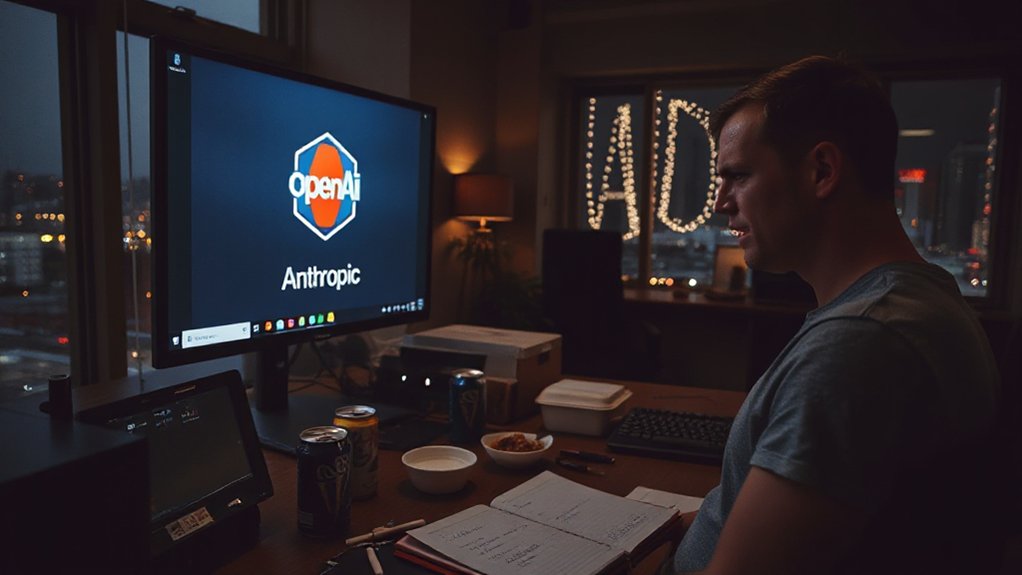
The ads mock the concept of AI chatbots pushing sponsored content during personal conversations. In one spot, a man asks a fictional AI about six-pack abs only to be interrupted by a promotion for “Step Boost Maxx” insoles with a discount code. This scenario reflects how fitness goals like achieving visible results can be exploited by targeted advertising. Another shows someone seeking relationship advice being redirected to a dating site for older women.
Each commercial ends with the pointed tagline: “Ads are coming to AI. But not to Claude. Keep thinking.” This direct challenge comes as OpenAI begins testing ads in ChatGPT, requiring a minimum $200,000 commitment from advertisers.
Anthropic positions Claude as the ad-free alternative while OpenAI courts high-spending advertisers for ChatGPT.
Anthropic’s campaign highlights the company’s pledge to keep Claude completely ad-free, with no sponsored links or third-party influences. In a blog post, Anthropic stated, “There are good places for advertising. Conversation with Claude is not one of them.” Andrew Stirk’s statement reinforces this position, presenting Claude as the trustworthy AI focused solely on meeting user needs.
Instead of ad revenue, Anthropic relies on enterprise contracts and paid subscriptions, with services like Claude Code and Cowork reportedly generating $1 billion. This business approach positions Claude as a trustworthy alternative focused on users rather than advertisers.
The timing is significant as AI companies flood the Super Bowl advertising space. OpenAI plans its second Super Bowl commercial, while Meta Oakley promotes AI-powered glasses and Svedka runs the first primarily AI-generated Super Bowl ad.
Industry experts note that Anthropic’s strategy creates a clear distinction between ad platforms and ad-free AI brands, potentially influencing consumer loyalty.
The campaign will reach an estimated 120 million viewers during the game and continue across broadcast and online media in U.S. and international markets afterward.
This marketing clash reflects growing competition in the AI space, with companies now investing heavily in traditional advertising to shape public perception of their products and business models.