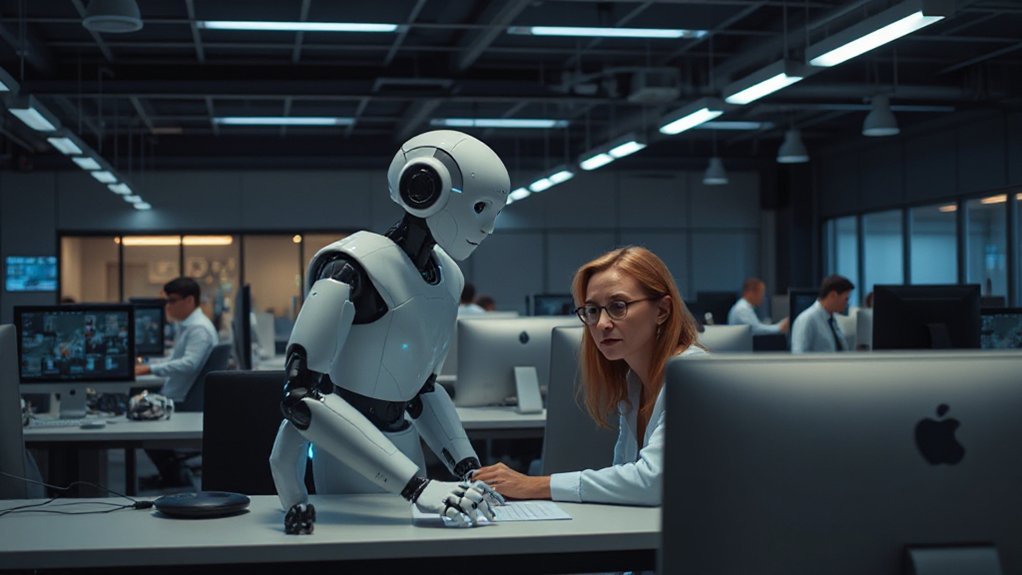

In 2022, an Indian e-commerce company called Dukaan laid off 90% of its customer support staff and replaced them with an AI chatbot named Lina. Of the original 26-person support team, 23 workers lost their jobs in September 2022. The company kept only three human staff members. After the change, Dukaan’s total workforce dropped to 60 employees.
In 2022, Dukaan replaced 90% of its support team with an AI chatbot, leaving just three humans on staff.
The numbers looked impressive at first. Response time dropped from 1 minute and 44 seconds to nearly instant. Resolution time fell from 2 hours and 13 minutes to just 3 minutes and 12 seconds. Monthly customer support costs shrank to just $100, an 85% reduction. CEO Suumit Shah called the decision “tough” but “necessary” when he announced it on Twitter in July 2023.
But the efficiency gains didn’t tell the whole story. Customer satisfaction didn’t improve as much as the company had hoped. Lina struggled with emotional conversations, humor, and complex or unusual customer cases. The chatbot handled basic questions well enough, but it couldn’t replace the human touch that customers sometimes needed. Shah’s Twitter thread announcing the layoffs garnered over 1.5 million views, reflecting how widely the public was paying attention to this kind of workforce decision. Industry analysts note that customer service representatives are considered among the highest-risk roles for AI replacement, given how effectively chatbots can handle routine inquiries.
The effects inside the company were also hard to ignore. Employee morale dropped after the layoffs. Creativity among remaining staff declined. Workers felt the cultural shift that came with replacing most of the team with a machine. Many felt the company had lost something that numbers couldn’t measure — its human side. The soul of the company diminished as fewer human interactions shaped the daily work environment.
Shah eventually acknowledged these challenges. After running the experiment for about a year, he made a strategic U-turn. He brought human support roles back into the company. The new model combined AI tools with human workers, letting each handle what they do best.
Dukaan’s story shows both sides of replacing workers with AI. The technology delivered real savings and speed. But it also revealed clear limits. Machines can process requests fast, but they’re not yet able to fully replace the empathy and flexibility that humans bring to customer interactions. Dukaan’s experience serves as a real-world case study that other companies are likely watching closely as AI continues to reshape the workplace.
References
- https://www.youtube.com/watch?v=hDEvPsKwFj0
- https://www.businessinsider.com/ai-chatbot-ceo-laid-off-staff-human-support-2023-7
- https://interestingengineering.com/innovation/indian-startup-fired-staff-replaced-ai-chatbot
- https://fortune.com/2023/07/12/dukaan-ceo-slammed-replacing-90-percent-company-support-staff-with-ai-chatbot-bragging-twitter-backlash/
- https://www.managementtoday.co.uk/ceo-slammed-replacing-90-support-staff-ai-chatbot/food-for-thought/article/1830014