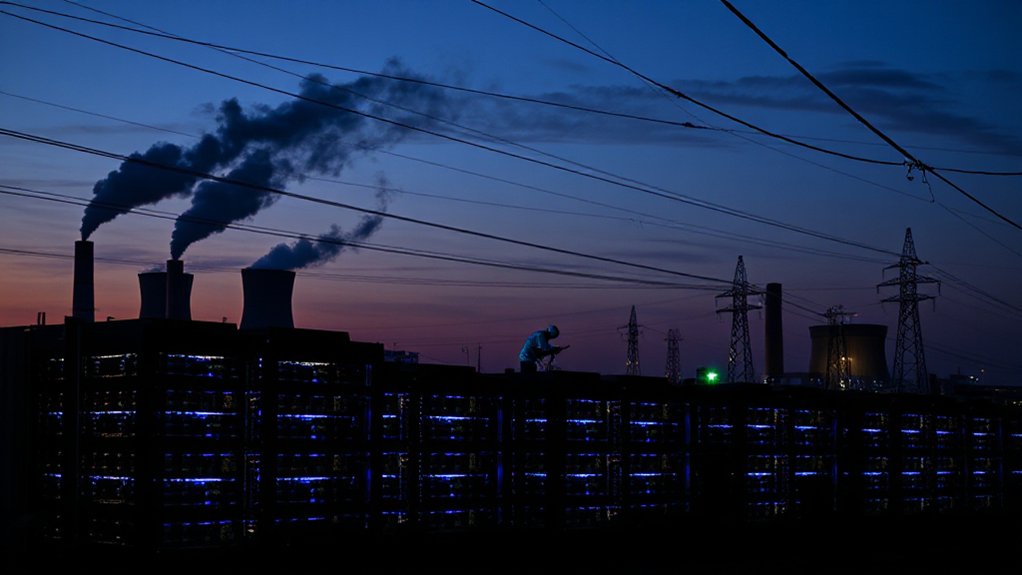

Tech giants are racing to build their own power solutions as the nation’s electrical grid struggles to keep up with artificial intelligence‘s massive energy demands. With more than 12,000 projects seeking grid connections, representing over 1,570 GW of new generation capacity, the traditional power system faces unprecedented strain.
The numbers tell a shocking story. Data center power consumption is expected to jump from 2.5% to 7.5% of all U.S. electricity over the next five years. Utilities have committed to adding 64 GW of new data center capacity, equal to a 12% increase in total U.S. electricity demand.
As wait times for grid connections stretch into years, companies are bypassing the system entirely. These “behind-the-meter” solutions build renewable energy assets alongside data centers, avoiding grid congestion and transmission losses. AEP, a major utility, now uses natural gas fuel cells with ultracapacitors as a bridge until grid connections become available. Similar to sustainable wineries, this approach represents a shift toward greener business practices that combine environmental responsibility with strategic operational benefits.
Natural gas has emerged as a critical player in this shift. It currently supplies over 40% of U.S. data center electricity and is expected to triple its share by 2030, reaching 4.5% of total U.S. natural gas consumption. Companies now seek locations near gas pipelines in states like West Virginia, Pennsylvania, and Texas.
Regional impacts are already visible. Data centers consumed 26% of Virginia’s electricity in 2023, with significant shares in North Dakota (15%), Nebraska (12%), and other states. The trend is expanding beyond traditional markets into Pennsylvania, Ohio, and Indiana.
Experts disagree on exactly how much power AI will require. Estimates for 2030 range widely from 200 to 1,050 TWh annually—the high end representing 12% of all U.S. electricity. Boston Consulting Group warns of a potential 45 GW power shortage. Industry surveys show 62% of data centers are now exploring on-site power generation options to ensure both efficiency and resilience.
The tracking by Wood Mackenzie shows 134 GW of proposed data centers in the U.S., a dramatic increase from just 50 GW reported a year ago. The price tag for grid upgrades to support this growth reaches $720 billion through 2030. With transmission projects facing years of permitting delays, companies simply can’t wait. The grid bypass trend will likely accelerate as AI’s hunger for energy continues to grow.
References
- https://www.datacenterknowledge.com/energy-power-supply/data-centers-bypassing-the-grid-to-obtain-the-power-they-need
- https://www.woodmac.com/horizons/us-data-centre-power-demand-challenges-electricity-market-model/
- https://www.spglobal.com/energy/en/news-research/latest-news/electric-power/101425-data-center-grid-power-demand-to-rise-22-in-2025-nearly-triple-by-2030
- https://www.pewresearch.org/short-reads/2025/10/24/what-we-know-about-energy-use-at-us-data-centers-amid-the-ai-boom/
- https://www.wri.org/insights/us-data-centers-electricity-demand
- https://www.goldmansachs.com/insights/articles/ai-to-drive-165-increase-in-data-center-power-demand-by-2030
- https://www.deloitte.com/us/en/insights/industry/power-and-utilities/data-center-infrastructure-artificial-intelligence.html
- https://www.energy.gov/articles/doe-releases-new-report-evaluating-increase-electricity-demand-data-centers
- https://www.congress.gov/crs-product/R48646
- https://www.eesi.org/articles/view/data-center-energy-needs-are-upending-power-grids-and-threatening-the-climate