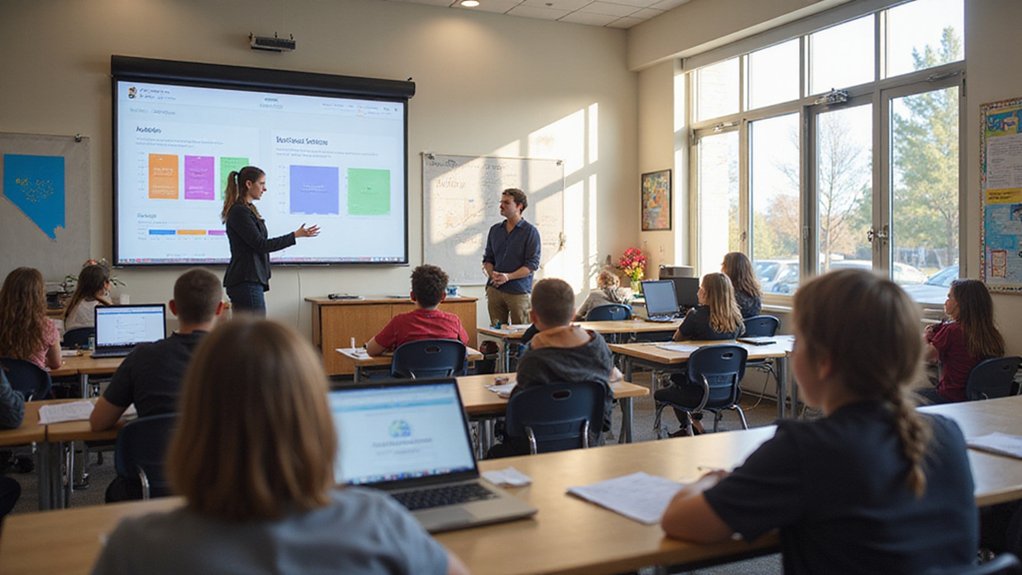

Artificial intelligence is changing the way students learn and teachers teach. AI-powered quizzes are now transforming classrooms across the country. These tools are making assessments smarter, faster, and more personalized than ever before.
One of the biggest advantages is personalized learning. AI analyzes how each student responds to questions. It then adjusts the difficulty based on their performance. Students who struggle with certain topics get more practice in those areas. This helps each learner move forward at their own pace without falling behind.
Teachers are also saving significant time. Creating quizzes manually can take hours. AI tools can turn lesson materials into ready-to-use quizzes within minutes. Teachers can generate quizzes for entire classrooms all at once. Auto-scoring and instant feedback also reduce the burden of grading. That frees up time for teachers to focus on actual instruction.
Feedback is another major shift. In the past, students often waited days to learn how they did on a test. Now, AI-powered quizzes provide feedback after each question. Students can immediately understand their mistakes. Teachers can track completion rates, time spent, and areas where the class is struggling. It’s a real-time window into student progress.
These tools also scale easily. Whether a class has 10 students or 1,000, AI quiz platforms handle the load without losing quality. Multiple students can take quizzes at the same time through digital platforms. That makes these tools just as useful for large online courses as they are for small classrooms.
Student engagement is improving too. Gamification features like badges, rewards, and leaderboards make quizzes feel less like a chore. Interactive formats go beyond traditional multiple-choice questions. Some platforms let students listen, read, and respond all in one place. Timed questions also help students practice managing their time, which is especially helpful for standardized tests.
Finally, the data collected from these quizzes helps teachers make better decisions. AI tools identify patterns in student responses. Teachers can then adjust their lessons to address gaps in understanding. Advancements in Natural Language Processing could further enable AI to generate personalized questions based directly on individual student input. It’s a smarter way to teach, backed by real evidence from the classroom. Research also confirms that retrieval practice through frequent quizzing enhances memory retention, giving students a measurable advantage in long-term learning. Beyond quizzing, AI’s broader role in education includes delivering customized learning experiences that adapt to individual student needs, extending its impact well beyond the assessment phase.
References
- https://www.abmtechnologies.us/blog/ai-powered-quiz/
- https://mitsloanedtech.mit.edu/ai/teach/practical-strategies-for-teaching-with-ai/
- https://askatechteacher.com/the-top-5-ai-quiz-builder-tools-that-can-transform-your-classroom-and-their-benefits/
- https://schoolai.com/blog/a-teacher-s-guide-to-designing-better-quizzes-with-ai/
- https://www.theschoolhouse.org/post/ai-assessment-strategies-education
- https://www.edcafe.ai/blog/ai-quiz-prep
- https://www.viewsonic.com/library/education/using-ai-in-the-classroom-5-ways-to-transform-learning-teaching/
- https://tarphi.com/features/ai-quiz-generator
- https://ace.edu/blog/revolutionize-your-classroom-the-ultimate-guide-to-ai-tools-for-teachers/