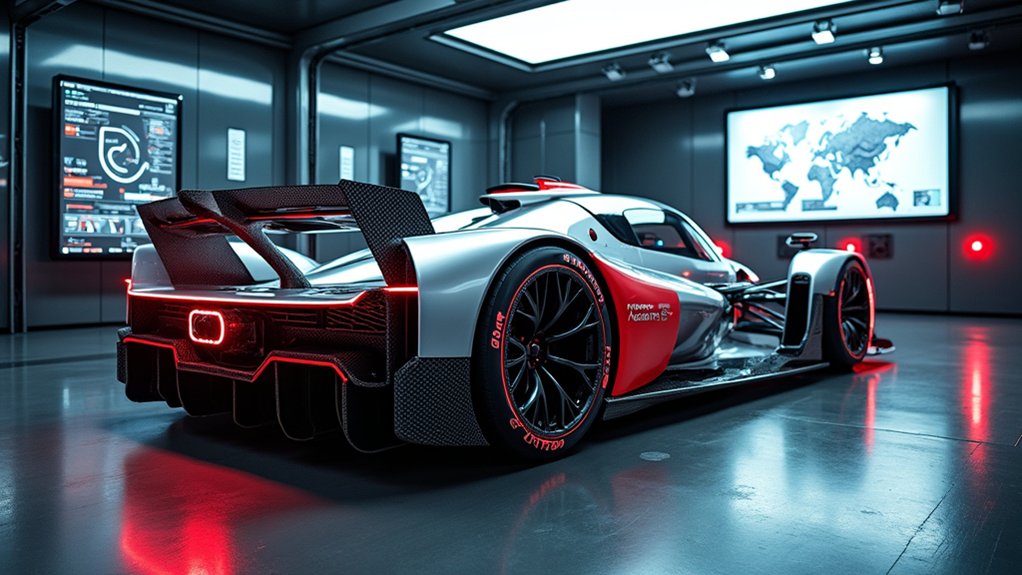
Audi’s jumping into Formula 1. The German giant will fully take over Sauber and hit the track as a factory team in 2026. They’re bringing their own power unit too – one of six manufacturers committed to the new regulations. But here’s the kicker: their engine will probably “fall short” against established rivals. At least initially.
The timing isn’t random. F1’s new rules made things interesting for Audi. Half the power will come from electrical sources, and everyone’s running on 100% sustainable fuel. That’s right, sustainable fuel in F1. Times are changing. Cost caps on power units started in 2023, supposedly making the sport more accessible. We’ll see about that.
Sauber’s got some history worth mentioning. They brought us Charles Leclerc and Kimi Räikkönen. Even managed third in the constructors’ standings as BMW-Sauber back in 2008. Audi thinks they can do better. Bold claim for a company that’ll be playing catch-up with Mercedes, Ferrari, and Red Bull powertrains.
The restructuring‘s already underway. New team principal, new leadership structure, the whole nine yards. Mattia Binotto, former Ferrari boss, now leads the Audi F1 project after the management reshuffle. Adam Baker was appointed as CEO to run the Formula 1 project and oversee the entire operation. Audi’s trying to streamline decision-making and integrate their motorsport expertise. They need stability if they want any shot at being competitive. The pressure’s on to deliver results fast – shareholders don’t like expensive hobbies.
F1’s pushing for net zero carbon by 2030, which fits nicely with Audi’s sustainability pitch. The increased electrification and sustainable fuels were apparently key factors in their decision. Makes for good PR at least.
Reality check: breaking into F1 isn’t easy. The technical integration alone presents massive challenges. Audi’s basically admitted their power unit won’t match the competition right away. The early years will be rough – a learning phase, they’ll call it. But they’ve got Sauber’s infrastructure and Audi’s resources. That’s something.
The competitive environment in 2026 will be brutal. Multiple established engine suppliers, new regulations, and sky-high expectations. Audi wants to leverage F1’s global platform for their tech and branding goals. Whether they’ll succeed or become another manufacturer casualty remains to be seen.
References
- https://www.autosport.com/f1/news/audi-f1-team-everything-to-know-about-its-entry-for-2026/10639169/
- https://www.formula1.com/en/latest/article/breaking-audi-to-join-formula-1-from-2026.yr9pFVd5nSQBbZ7EZZDLJ
- https://stupiddope.com/2025/05/audi-reshapes-its-formula-1-future-with-key-leadership-moves-ahead-of-2026-debut/
- https://www.motorsportmagazine.com/articles/single-seaters/f1/audis-sauber-takeover-everything-you-need-to-know-before-2026-f1-entry/
- https://www.youtube.com/watch?v=xw7FC-S12CI