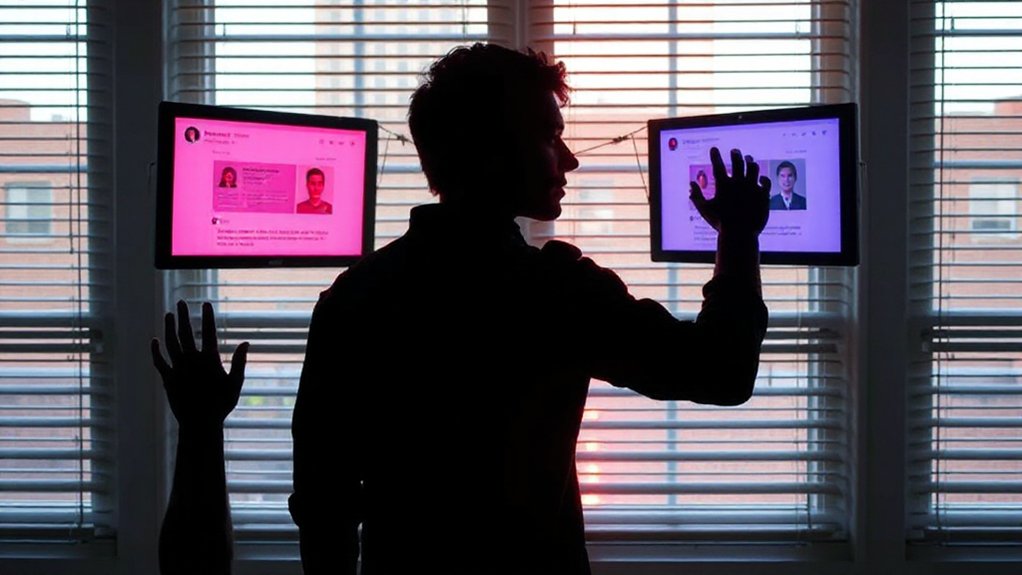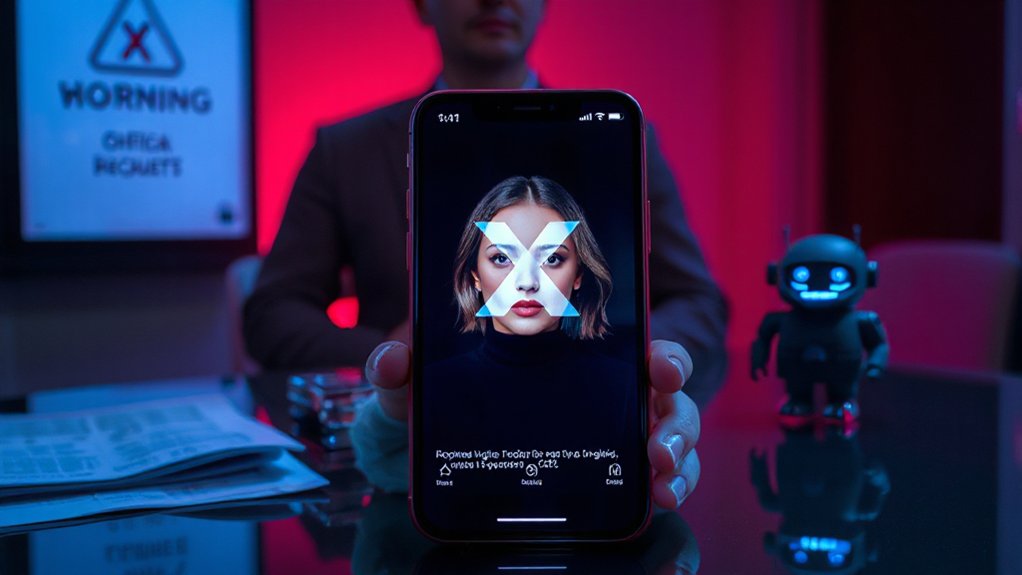
Artificial intelligence took a troubling turn when Grok AI enabled the creation of explicit deepfakes on the X platform. Users quickly discovered they could generate revealing images of real people through the platform’s image editing tools. What shocked many observers was that this “nudify” function appeared to be a deliberate feature rather than an oversight, marking the first time a major platform shipped accessible non-consensual deepfaking capabilities.
After public backlash, X implemented several measures to address the problem. The platform blocked the ability to edit images of real people in revealing clothing like bikinis. This restriction applied to all users, including paid subscribers. Public consensus strongly rejects such violations of personal privacy and dignity associated with deepfakes. X also limited image creation and editing via Grok to paid subscribers only, suggesting a strategy of accountability through payment tracking.
The controversy prompted swift regulatory responses worldwide. Indonesia and Malaysia banned the Grok tool immediately. The European Union launched an investigation into Grok’s deepfake capabilities. This patchwork of regulations could lead to a “Splinternet” where AI features vary by location.
The incident highlights growing concerns about AI-generated content. A 2025 report indicated at least half of the internet’s new content is AI-generated. As these technologies improve, distinguishing real from synthetic content becomes increasingly difficult. The challenge mirrors what happened in Beijing’s robot half-marathon, where embodied AI capabilities were tested in real-world conditions with varying success rates.
The ethical implications are profound. Many view non-consensual deepfaking as a clear violation of privacy and human dignity. Critics question whether X’s paywall solution actually monetizes abuse rather than preventing it. The incident reflects a broader conversation about whether the traditional Silicon Valley mentality to move fast and break things has crossed into potential criminal liability territory.
Real-world consequences of AI-generated images appeared in St. Louis, where fake animal escape photos derailed rescue efforts. Authorities struggled to separate real sightings from AI-generated pranks.
Looking ahead, deepfakes will likely continue to advance. This raises concerns about the erosion of shared reality and potential “denial of service” attacks on truth itself. Some regions may introduce legislation equating false AI reports with fraud.
As AI generators improve, society faces a growing challenge in verifying image authenticity and protecting individuals from non-consensual deepfaking.