
Mirrors of technology are reflecting back more than just images. A recent study has identified a condition called “Snapchat Dysmorphia” where people become fixated on flaws they see in their unfiltered appearance after using digital filters.
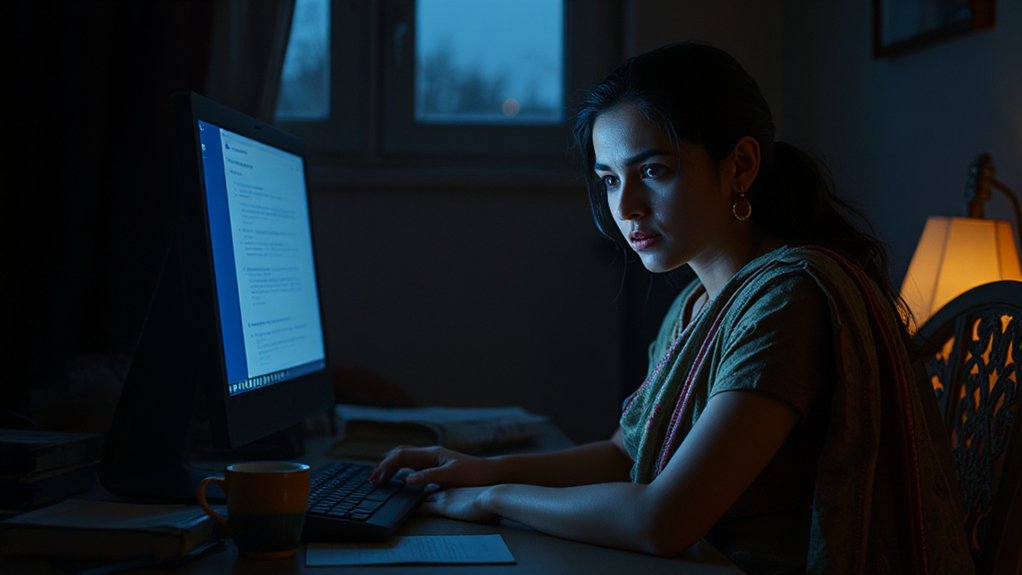
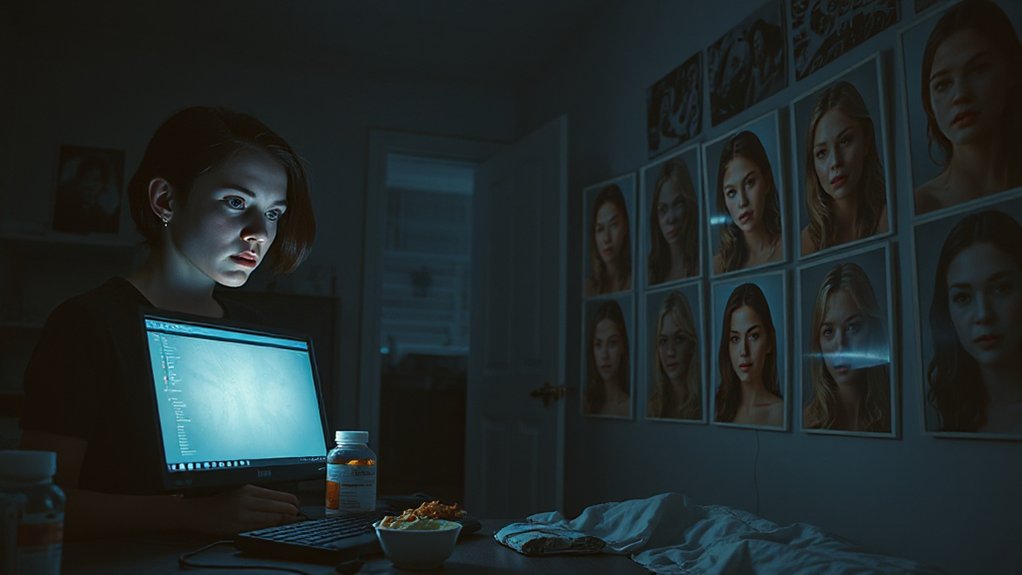
Emma Chen, a 19-year-old college student, began using AI portrait generators last year. What started as fun quickly became concerning. She spent hours daily generating idealized versions of herself, becoming increasingly dissatisfied with her real appearance.
“I couldn’t recognize myself in the mirror anymore,” Chen told reporters. Her experience isn’t unique. Research shows frequent filter use disrupts healthy identity development, especially in young people.
The 2020 study found direct links between selfie editing and decreased self-esteem. People who regularly edit their photos often develop self-objectification—viewing themselves primarily as objects to be evaluated by appearance.
Dr. Maya Roberts, a clinical psychologist specializing in digital media effects, explains, “AI filters create unrealistic beauty standards that can’t be achieved in real life. This leads to anxiety, depression, and body image issues.” Recent innovations have explored using affective computing systems to detect mental health issues from facial expressions in selfies.
The cycle is difficult to break. Poor body image from social media predicts future digital self-editing behaviors, creating a feedback loop that further damages self-esteem. The misleading names of these filters, such as “natural beauty” or “subtle enhancement,” further distort reality perceptions and reinforce harmful beauty ideals.
However, AI self-portraits also show promise in therapeutic settings. When used under professional guidance, they can aid psychological reflection and help explore issues like depression, PTSD, and body image concerns.
Researchers have found that analyzing AI self-portrait prompts can predict depression with significant accuracy. One study achieved 79% sensitivity in identifying high-risk individuals.
The technology presents both risks and opportunities. While AI-generated art reduces short-term stress through emotional expression, it can also blur the line between filtered and unfiltered reality. Experts advocate for ethical AI use instead of banning these technologies outright.
Mental health professionals urge awareness of these effects, especially among younger users. They recommend limiting filter use and seeking help if digital self-images begin affecting real-world self-perception.
For people like Chen, recovery begins with recognizing the difference between digital ideals and human reality.
References
- https://reachlink.com/advice/body-dysmorphic-disorder-bdd/ai-filters-how-virtual-reality-shapes-mental-health-today/
- https://arxiv.org/html/2410.05450v2
- https://counselingwellnesspgh.com/the-harm-of-face-filters-and-ai-headshots/
- https://www.explorationpub.com/Journals/edht/Article/101172
- https://hai.stanford.edu/news/exploring-the-dangers-of-ai-in-mental-health-care
- https://carlerikfisher.substack.com/p/how-ai-reflects-and-reinforces-mental
- https://pmc.ncbi.nlm.nih.gov/articles/PMC12552762/
- https://dl.acm.org/doi/10.1145/3715335.3736317
- https://escholarship.org/uc/item/2hh8b9t8