Nine states might not sound like much, but when Texas joins the right-to-repair movement, tech giants start sweating. HB 2963 passed overwhelmingly in the Texas legislature on June 2, 2025, and now sits on the governor’s desk. If signed, manufacturers of digital electronics will have to do something groundbreaking: let people fix their own stuff.
Tech giants built empires on planned obsolescence. Now Texas is handing consumers screwdrivers.
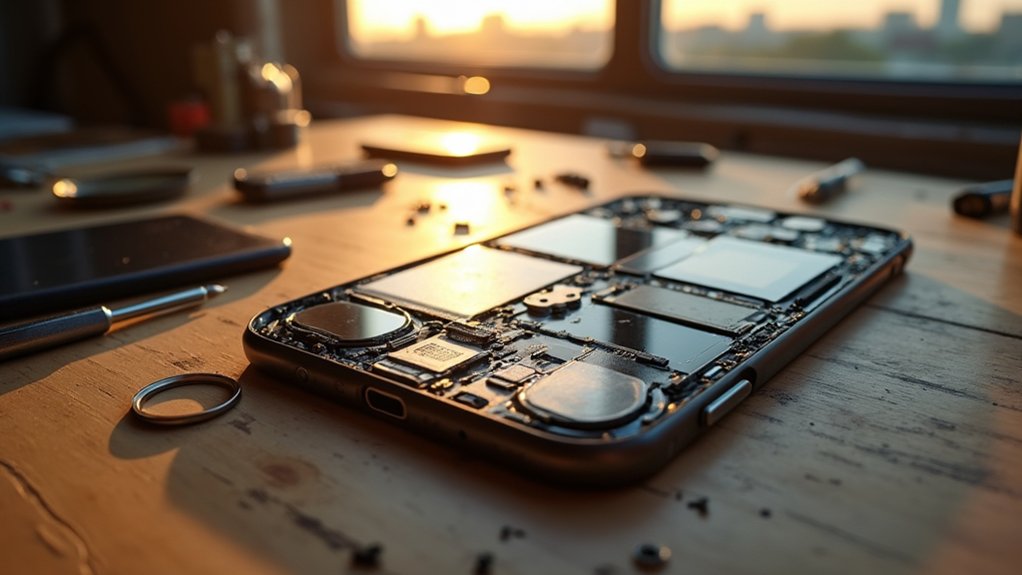
The bill forces companies to provide repair tools, parts, and documentation to both consumers and independent repair shops. No more forcing customers into expensive replacement cycles. No more monopolizing repair services. When Texans buy something, they’ll actually own it. What a concept.
Originally, the legislation included protections against “parts pairing” – those annoying software locks that brick your device if you use non-official parts. But surprise, surprise, those protections mysteriously vanished in conference committee. Still, the core victory remains intact.
Texas generates 621,000 tons of electronic waste annually. That’s a lot of perfectly fixable phones and laptops rotting in landfills. Environment Texas backed the bill, understanding that repair means less toxic waste and fewer resources consumed. Extended product lifespans aren’t just good for wallets; they’re essential for the planet.
The legislation creates real market competition. Independent repair shops can finally access the materials they need. Manufacturers can’t hoard repair manuals like state secrets anymore. California’s law requires manufacturers to provide repair resources for devices costing $50 or more, setting a precedent that Texas now follows.
Sure, the law includes protections for actual trade secrets and cybersecurity concerns, but the days of artificial repair barriers are numbered.
Enforcement falls exclusively to the Attorney General, giving the law real teeth. Manufacturers face compliance challenges, but honestly? Cry me a river. These companies have spent years deliberately making products harder to fix. State Rep. Gio Capriglione sponsored the bill, pushing it through both chambers with unanimous support.
This isn’t happening in isolation. Connecticut and Oregon recently sent similar bills to their governors. California, New York, and Minnesota already have repair laws.
Even Apple – yes, Apple – has started supporting certain repair legislation. The Biden administration told the FTC to study federal regulations.
The momentum is undeniable. Tech giants built empires on planned obsolescence and repair monopolies. Now Texas, of all places, is telling them the party’s over. Sometimes David doesn’t need a slingshot. Sometimes he just needs a screwdriver.
References
- https://pirg.org/media-center/release-right-to-repair-passes-overwhelmingly-in-texas/
- https://www.texaspolicy.com/wp-content/uploads/2024/07/2024-07-BTT-Right-to-Repair-Law-WhitingGee_FINAL.pdf
- https://www.crowell.com/en/insights/client-alerts/right-to-repair-a-growing-trend-for-states-creating-compliance-challenges-for-manufacturers
- https://www.texasstandard.org/stories/right-to-repair-laws-apple-california-tech-companies/
- https://www.texaspolicyresearch.com/bills/89th-legislature-hb-2963/