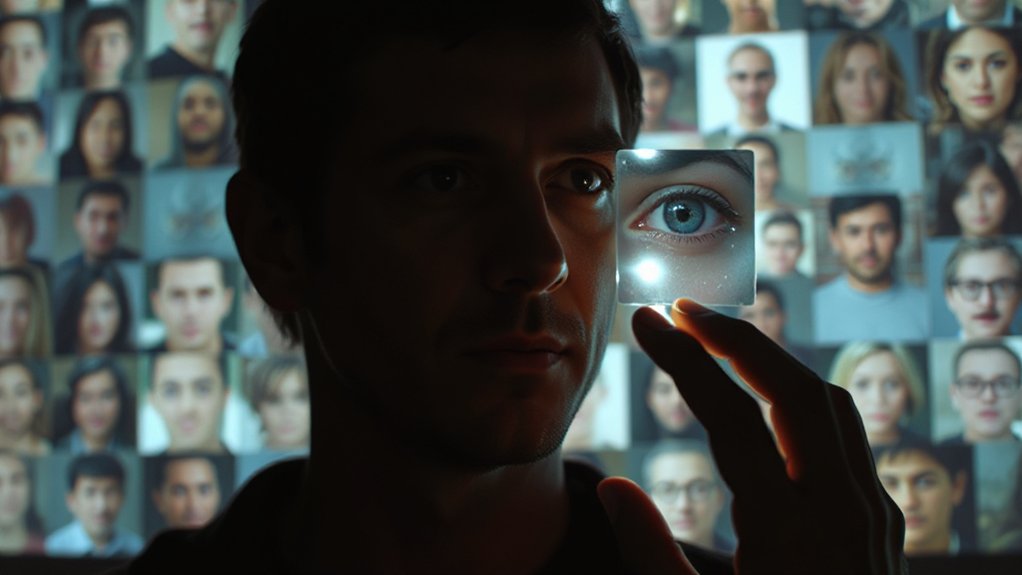
In a stark warning about social media’s changing landscape, Instagram CEO Adam Mosseri has declared that authenticity is becoming “infinitely reproducible” as AI technology advances.
Photographs and videos can no longer be safely assumed to be real captures of actual moments, creating a fundamental challenge for the platform.
Synthetic content is flooding Instagram feeds at increasing rates. Mosseri predicts more content will soon be created by AI than captured through traditional photography. Modern AI-generated images lack obvious flaws like twisted limbs or physics defects, making them harder to spot. The platform is increasingly concerned about the rise of AI slop content that sacrifices quality for quantity.
Meta, Instagram’s parent company, admits it can’t reliably detect AI-generated images despite investing tens of billions in AI development. Current labeling systems are proving unreliable as technology improves. Instagram’s emphasis on original content ranking may need significant enhancement to maintain user trust. Experts suggest detection-based approaches will ultimately fail as AI quality approaches photographic realism.
The situation has created serious concerns for professional photographers and Instagram creators. The ability to create realistic content is now accessible to anyone with AI tools, fundamentally undermining traditional creator advantages. Human artists must now compete directly with AI-generated content for audience engagement.
A potential solution involves fingerprinting real media rather than chasing fake content. Camera manufacturers could cryptographically sign authentic images at the moment of capture, creating a chain of custody for genuine media. This approach would require collaboration between social platforms and camera manufacturers.
The aesthetic of Instagram is also shifting in response. Raw, unflattering, and imperfect imagery now signals genuine authenticity in an AI-saturated environment. The polished, professional look that once dominated feeds is giving way to more obviously human content.
Mosseri acknowledges that years of adaptation will be necessary for society to adjust to this new reality. Users face a critical challenge in distinguishing between genuine and synthetic content. The way we evaluate visual media credibility requires a fundamental shift as we enter an era where our eyes alone can no longer be trusted.
References
- https://www.indiatoday.in/technology/news/story/adam-mosseri-warns-ai-slop-is-getting-so-real-instagram-may-have-to-start-labelling-real-posts-soon-2844959-2026-01-01
- https://timesofindia.indiatimes.com/technology/tech-news/ceo-adam-mosseri-admits-as-the-world-changes-more-quickly-instagram-is-failing-to/articleshow/126283687.cms
- https://www.engadget.com/social-media/instagram-chief-ai-is-so-ubiquitous-it-will-be-more-practical-to-fingerprint-real-media-than-fake-media-202620080.html
- https://betanews.com/2026/01/01/adam-mosseri-suggests-highlighting-real-media-rather-than-ai-content-on-social-media/
- https://www.youtube.com/watch?v=6JsBjsicmxo
- https://unbox.ph/news/instagram-ai-2026-trends/amp/