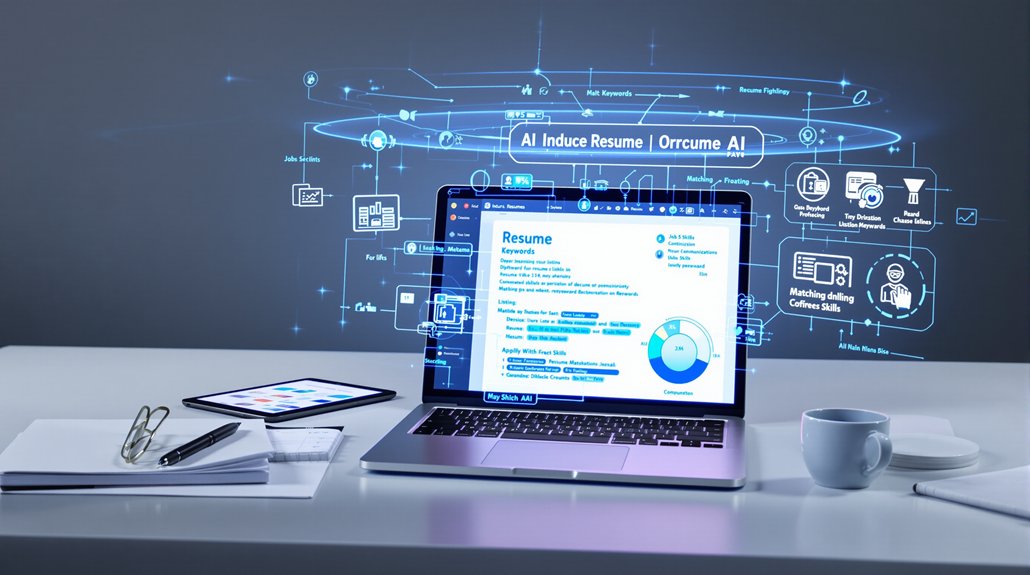
Artificial intelligence has quietly become a coworker for millions of Americans. More than half of U.S. employees, 52%, say they use AI in their role. Only 30% use it frequently, meaning a few times a week or more. Just 15% use it every day. A March 2026 survey found 55% of U.S. workers used AI for at least one of eleven common tasks. In Canada, the numbers are lower. About 41.6% of workers used some AI or automation tool in the past year, and 35.9% used generative AI specifically.
52% of U.S. employees use AI at work, but only 15% rely on it every single day.
The frequency of use varies widely. One 2026 survey found 21% of workers used AI multiple times a day, while 8% used it once daily. Another 34% used it occasionally, just a few times a week or less. Meanwhile, 37% said they never use AI at work at all. These numbers show that “using AI” doesn’t always mean using it often.
When people do use AI, they mostly use it for writing and editing, cited by 51% of users. Search and research come next at 49%. General problem-solving follows at 39%. Cognitive tasks, like analyzing information or brainstorming, make up about half of all Microsoft 365 Copilot conversations. Coding assistance and process automation, though used less often, deliver some of the highest productivity ratings among all AI applications.
Employers are catching up too. About 47% of workers say their company has added AI tools to boost productivity, up from 41% just one quarter earlier. Still, 44% of workers say their employer has no clear AI policy, or they aren’t sure if one exists. That number jumps to 59% at companies with fewer than ten employees. Nationally, only 6% of workers are required to use AI, while 25% of companies permit its use with restrictions.
Some jobs show far higher daily use. Software engineers lead at 71%, followed by marketing professionals at 63% and IT workers at 55%. Knowledge workers overall report even higher adoption, with one 2026 index finding 87% use AI on the job.
The productivity payoff appears real for many. About 75% of digital workers say AI makes them more productive, saving an average of six to eleven hours per week. Yet trust remains uneven. Only 43% of workers say they trust a coworker’s AI-assisted work, showing that adoption and confidence don’t always move together. Broader economic projections suggest the stakes are high, with generative AI productivity growth estimated to reach $4.4 trillion globally over the long term.
References
- https://www.gallup.com/workplace/712736/organizational-adoption-jumps-six-points.aspx
- https://founderreports.com/ai-in-the-workplace-statistics/
- https://founderreports.com/ai-in-the-workplace-report/
- https://www.surveymonkey.com/curiosity/cnbc-ai-work-survey-august-2026/
- https://www.glean.com/work-ai-institute/reports/work-ai-index
- https://www.census.gov/library/stories/2026/08/ai-use-at-work.html
- https://www.gensler.com/press-releases/global-workplace-survey-2026
- https://fortune.com/2026/01/25/ai-use-frequency-employed-adults-tech-workers-retail-manufacturing-gallup-poll/
- https://www.goto.com/blog/pulse-of-work-2026
- https://www.shrm.org/topics-tools/research/navigating-ai-in-the-workplace