While AI systems surpass humans in raw computing power, the human brain maintains significant advantages. Humans excel at one-shot learning, contextual understanding, and emotional intelligence. Our brains use only 20 watts of power while processing information through 86 billion neurons working in parallel. AI requires massive datasets and lacks true consciousness or common sense reasoning. The question of machines eventually outsmarting humans hinges on whether technology can replicate our unique cognitive architecture.
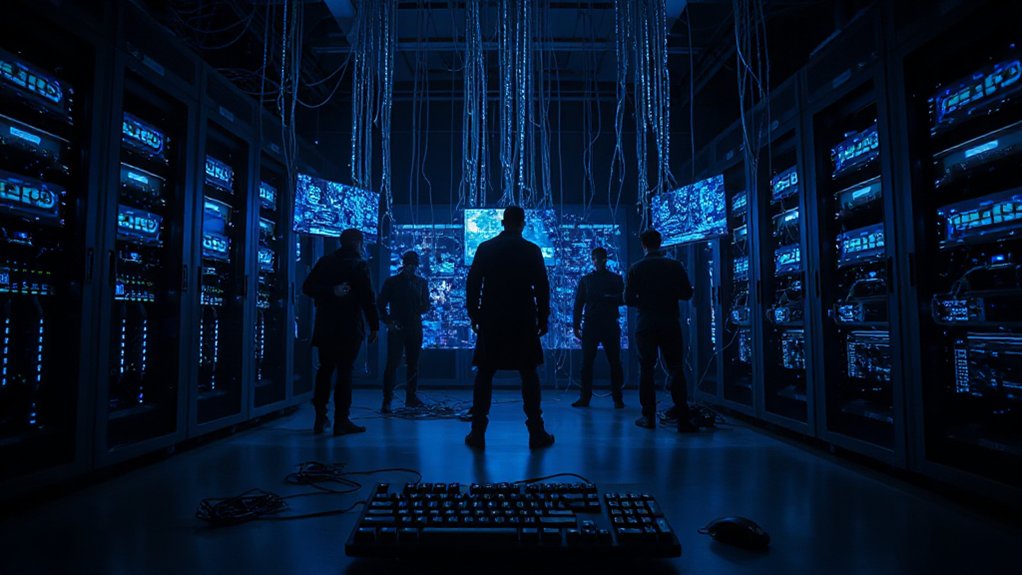
The battle between the human brain and artificial intelligence has fascinated scientists for decades. While today’s supercomputers like Fugaku can achieve processing power similar to the human brain at 1.2 exaFLOPS, they require megawatts of electricity compared to the brain’s mere 20 watts.
The brain’s 86 billion neurons may fire slower than electronic transistors, but their parallel processing capabilities give humans an edge that AI’s serial processing can’t match.
Neurons may be slower than transistors, but our brain’s parallel architecture creates a cognitive symphony AI can’t yet conduct.
Humans excel at one-shot learning, picking up new skills from just a few examples. AI systems need massive datasets and struggle with transferring knowledge between different tasks. This contrast highlights how AI typically requires multishot learning for effective operation.
Our brains constantly rewire neural connections, while AI models remain fixed after training until manually updated.
The human brain can store approximately 2.5 petabytes of information in long-term memory. Though AI can store vast amounts of data, human memory works associatively, connecting related concepts naturally. AI’s inability to truly understand context means it lacks comprehension of subtle meanings that humans process effortlessly.
AI retrieval relies more on exact matching and lacks the ability to forget irrelevant information.
Creativity separates humans from machines in significant ways. People can imagine new possibilities, make intuitive leaps, and develop truly original ideas.
AI creativity is limited to recombining existing information without the emotional influences that spark human innovation.
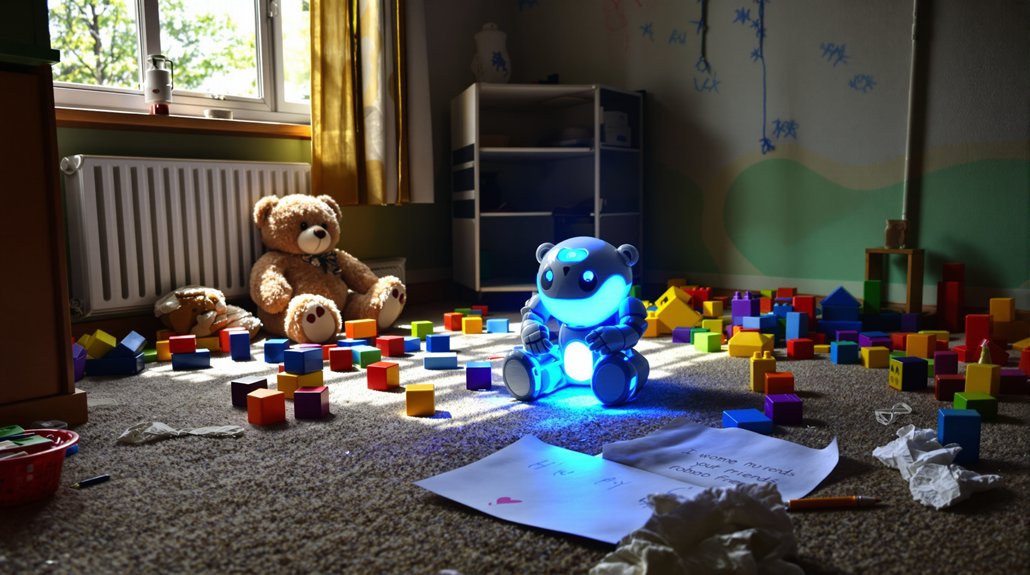
Emotional intelligence remains a distinctly human trait. We naturally understand social cues, feel empathy, and build relationships based on emotional bonds.
AI systems can only simulate these interactions through programmed responses without truly understanding emotions.
When making decisions, humans consider ethical implications and can rely on intuition when information is incomplete.
AI follows programmed algorithms and lacks common sense reasoning for complex situations.
Perhaps most importantly, humans possess consciousness and self-awareness – subjective experiences that allow for metacognition.
Whether machines will ever develop true consciousness remains an open question.
While AI continues advancing rapidly, the unique qualities of human cognition suggest our brains will maintain advantages in many vital areas for the foreseeable future. Despite the rapid evolution of Narrow AI for specific tasks, humans retain superiority through cognitive abilities that machines simply cannot replicate.