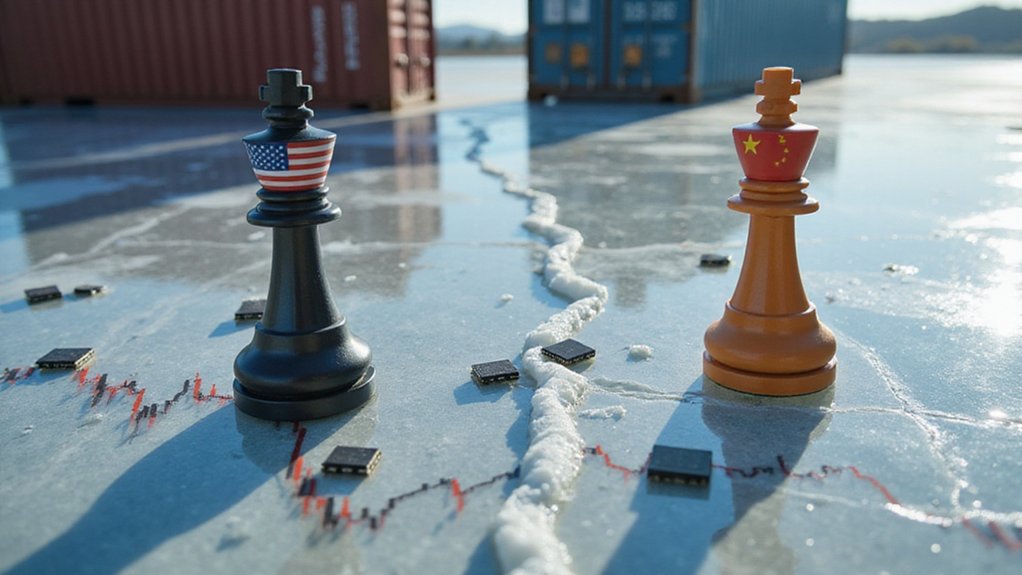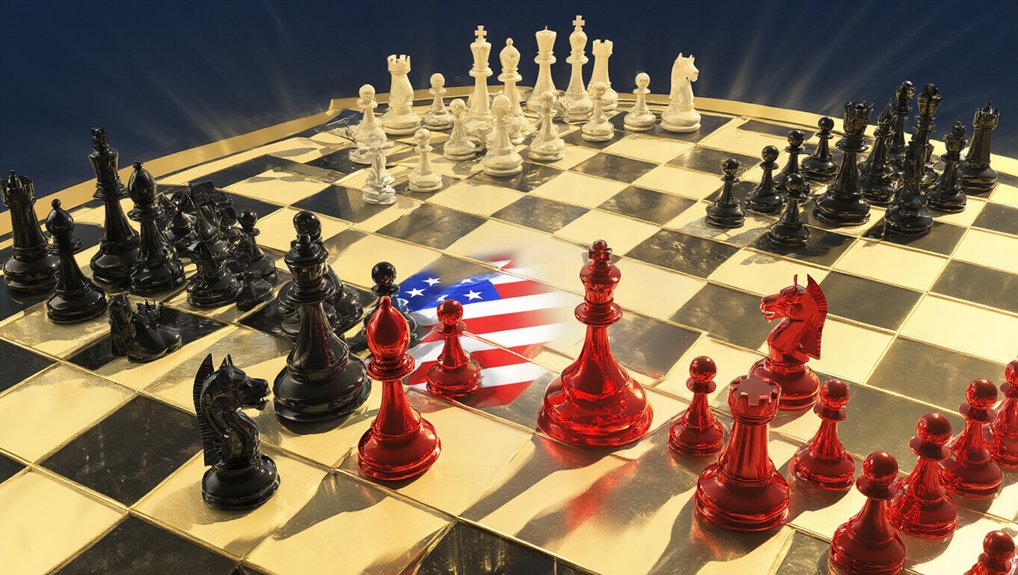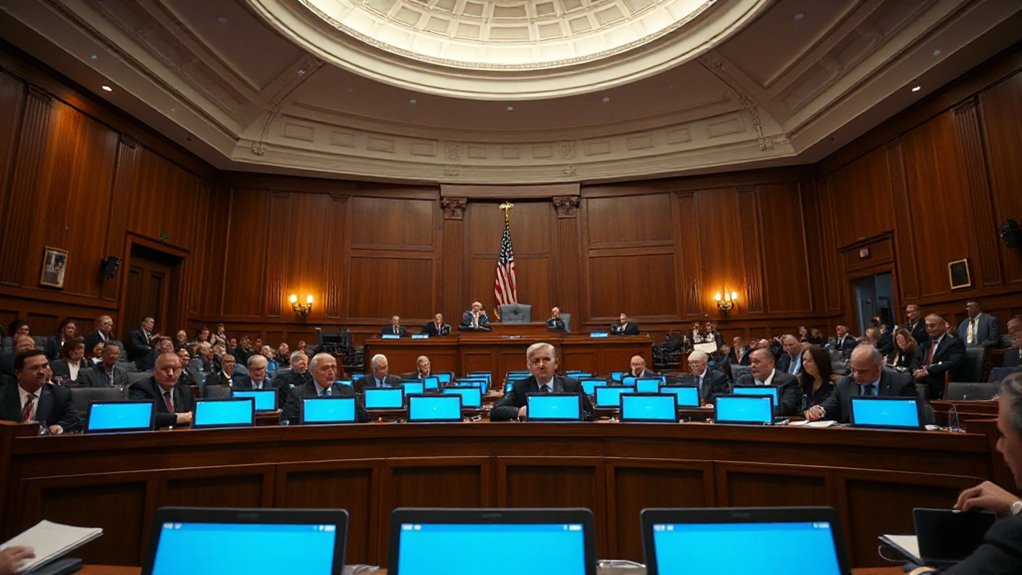

China’s rapid advances in artificial intelligence are raising alarms across Washington. President Trump called China’s DeepSeek AI system a “wake-up call” for America’s tech sector. China now controls 90% of rare earth mineral processing, which is essential for making AI chips. It’s also deployed over 295,000 industrial robots, compared to just 50,000 in the US. Lawmakers say these gaps are a serious threat to national security.
Congress is now pushing back with new legislation and policy moves. On March 20, the Trump administration introduced a National Artificial Intelligence Legislative Framework. It focuses on building data centers and boosting chip manufacturing to keep America ahead. The framework also ties AI development directly to economic competitiveness and national security. CEOs have signed a Ratepayer Protection Pledge, promising that everyday families won’t pay higher energy bills because of AI growth.
One big concern is that loopholes in US export control laws have let China access advanced American AI chips. Lawmakers say this is helping China close the technology gap. New expanded controls now cover chips, subsystems, datasets, and cloud computing. The rules also include location tracking on chip exports to allies. The goal is to make sure American technology doesn’t end up in the wrong hands.
On July 23, the White House released an AI Action Plan under Executive Order 14179. The plan has three main pillars. The first focuses on cutting red tape and promoting open-source AI models. The second speeds up infrastructure like data centers and chip factories. The third pushes American AI standards across the globe to counter China’s influence.
Officials are also warning about foreign-funded groups that they say are trying to sabotage US data centers. The administration has rolled back some environmental reviews to speed up construction. Cybersecurity, workforce training, and AI use in defense and healthcare are also part of the plan. Nearly two billion dollars from five foreign charities has been directed toward US activism aimed at obstructing AI infrastructure development.
The broader message from Washington is clear. Lawmakers believe the AI race isn’t just about technology. They say it’s about who shapes the future of global power. Senators Rounds and Warner introduced the Stop Stealing our Chips Act, which aims to create whistleblower programs and strengthen export controls to prevent China from accessing advanced AI chips. Several Chinese tech firms have also been added to the BIS Entity List, limiting their access to US technology and further tightening America’s grip on advanced exports.
References
- https://www.washingtonexaminer.com/op-eds/4530518/foreign-cash-sabotaging-america-ai-race-china/
- https://www.hudson.org/national-security-defense/ai-national-security-global-technology-race-how-us-export-controls-define-nury-turkel
- https://www.youtube.com/watch?v=qNoCKhL9VYI
- https://www.brookings.edu/articles/what-to-make-of-the-trump-administrations-ai-action-plan/
- https://www.whitehouse.gov/wp-content/uploads/2025/07/Americas-AI-Action-Plan.pdf
- https://cafe.com/notes-from-contributors/is-america-really-at-war-over-ai/
- https://www.steptoe.com/en/news-publications/steptechtoe-blog/the-trump-administrations-ai-action-plan-deregulation-and-global-dominance.html