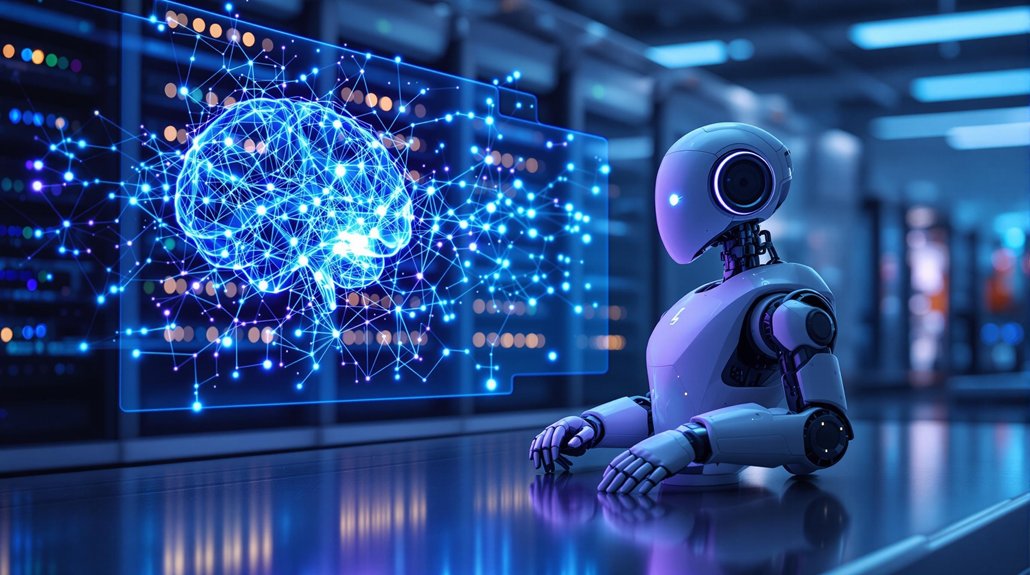

The future of artificial intelligence is taking shape in a powerful combination called neurosymbolic AI. This innovative approach merges two previously separate AI methods: neural networks that learn from data and symbolic systems that use logic. Scientists believe this hybrid solution could solve many problems that current AI systems face.
Neurosymbolic AI combines the pattern recognition of neural networks with the logical reasoning of symbolic systems to overcome current AI limitations.
Regular AI systems have significant limitations. Neural networks are good at recognizing patterns in images or text but can’t explain their decisions. They’re like black boxes—we put data in and get answers out, but don’t know what happens inside. On the other hand, symbolic systems use clear logical rules but can’t learn from new experiences or handle messy real-world data.
Neurosymbolic AI aims to get the best of both worlds. It uses neural networks to process raw information like pictures or sounds, turning them into concepts a computer can understand. Then, it applies logical reasoning to these concepts, making connections and drawing conclusions. This dual approach helps AI think more like humans do—combining perception with reasoning.
The technical structure consists of two main parts working together. The neural component handles perception, learning to recognize objects or patterns from unstructured data. The symbolic component manages logical reasoning, applying rules to make sense of what the neural part discovers. Between them, knowledge graphs store facts and relationships that help the system understand the world. These knowledge graphs are crucial for complex decision-making tasks across industries like healthcare and finance.
What makes this approach special is its transparency. When neurosymbolic AI makes a decision, it can explain its reasoning step by step. The integration of common sense reasoning represents a key advancement that could help these systems better understand context and nuances in human communication. This makes it more trustworthy for important applications in healthcare, law, or safety systems. It’s also more efficient, requiring less data to learn new tasks since it can apply logical rules to new situations.
As researchers continue developing these hybrid systems, neurosymbolic AI represents a promising path toward smarter, more reliable, and more understandable artificial intelligence. This evolution mirrors the changing landscape of data science, where professionals are increasingly focused on strategic decisions rather than routine data tasks.