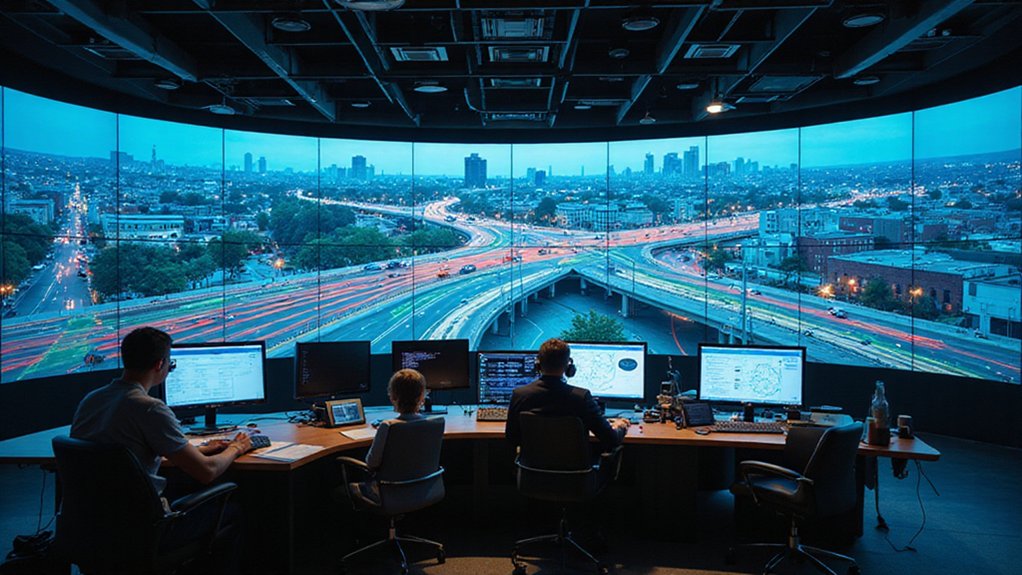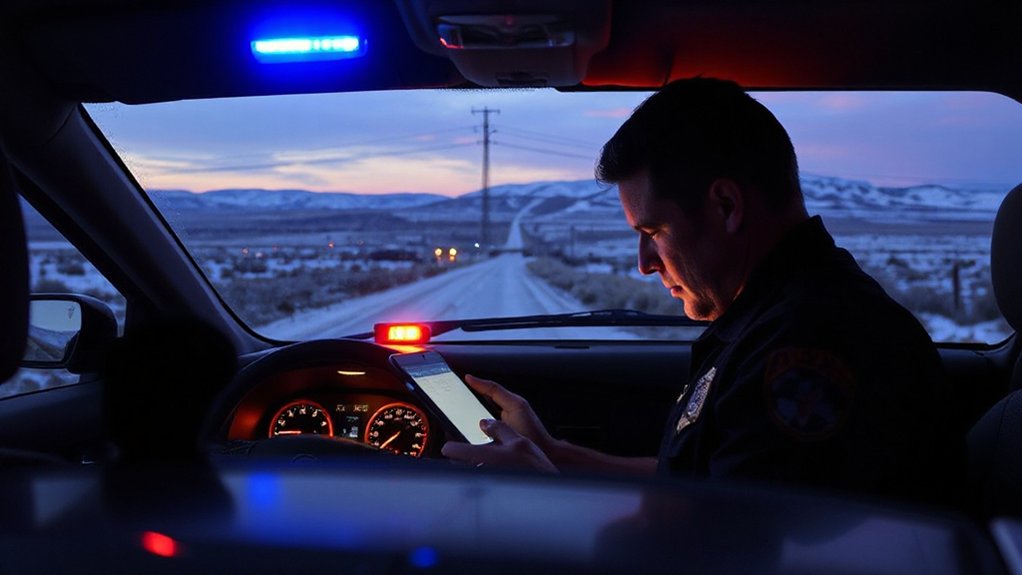

Blind spots have long been a danger on American roads. Each year, they cause around 800,000 accidents and more than 300 deaths in the United States. Mirrors often miss key areas during lane changes, leading drivers into unsafe situations. Now, technology is changing how vehicles handle these hidden dangers.
Blind spot monitoring systems use sensors to detect vehicles in a driver’s side and rear areas. They warn drivers through visual, audible, vibrating, or tactile alerts. Some systems also include rear cross-traffic alerts, which help drivers when they’re backing out of parking spaces.
Several technologies power these systems. Radar-based systems can sense objects up to 60 meters behind a vehicle. Computer vision uses high-resolution cameras to spot objects. LIDAR combines with cameras to identify what type of object is nearby. Algorithms, including neural networks, help systems recognize hazards quickly and accurately.
The history of blind spot systems goes back further than many people think. The first modern system appeared in the 1995 Ford GT90 concept car. Volvo introduced it to production vehicles in 2003 with the XC90 SUV. Ford later brought its BLIS system to mainstream models like the Fusion in 2010.
More recently, the REV Group made headlines in the RV industry. It launched the first production camera-based blind spot system for recreational vehicles. The system works with Velvac mirrors and uses computer vision. When a vehicle enters a blind spot, an icon flashes in the mirror glass. The alert becomes even more noticeable when the driver activates a turn signal.
These systems aren’t without limits. Some systems shut off in reverse or park mode. Basic radar struggles to identify different object types compared to computer vision. Dashboard warning lights may need professional repair if they stay on.
Despite the limitations, the benefits are real. Blind spot systems are making lane changes safer and reducing sideswipe accidents. Over two-thirds of drivers report fewer crashes after using blind spot detection technology in their vehicles.
Developers are also pushing these technologies toward 5G networks, artificial intelligence, and autonomous driving. Websites supporting these advancements rely on services like Cloudflare, which provides performance and security for platforms sharing critical safety research. The blind spot revolution isn’t slowing down anytime soon.
References
- https://rv-pro.com/news/rev-introduces-blind-spot-detection-system/
- https://pmc.ncbi.nlm.nih.gov/articles/PMC8840262/
- https://brigade-electronics.com/en-us/milan-blind-spot-resolution/
- https://kritikalsolutions.com/blind-spot-detection-technology/
- https://en.wikipedia.org/wiki/Blind_spot_monitor
- https://researchcentre.army.gov.au/library/australian-army-journal-aaj/volume-7-number-2-winter/blind-spot-robot-enabled-warfare-deeper-implications-ied-challenge
- https://revolutionmw.com/blind-spot-monitoring-system-repair/
- https://www.youtube.com/watch?v=tDgMkEpqQ-A