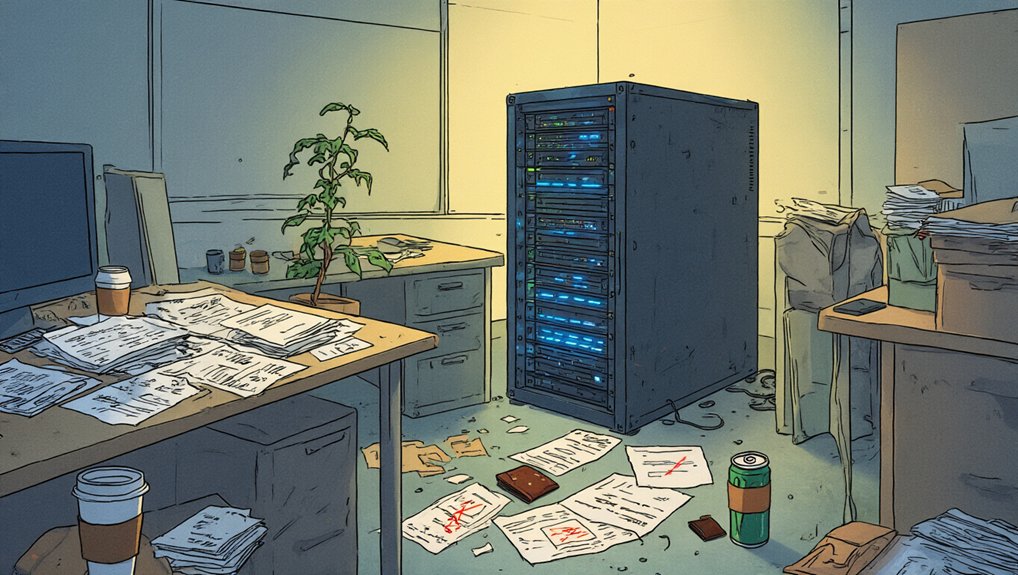

An interface folder holds the rules and designs that make AI tools work well. It keeps records of how the AI talks to users, what buttons appear, and when humans must step in. Companies that save these details don’t lose everything when a key expert walks out the door.
Good AI interfaces include fallback options for when the AI fails. They also include clear ways for users to take back control. Microsoft’s responsible AI principles say AI should act as a tool that supports human judgment, not replace it. Interface folders capture these ideas in a way that new team members can understand and use.
Good AI interfaces don’t replace human judgment — they support it, with clear fallbacks and user control built in.
Human oversight is a big part of what these folders protect. They document escalation pathways, which are routes that send complex problems to human reviewers. They also store feedback tools that let users correct the AI. These records help companies keep AI systems fair and functional over time.
Consistency is another thing these folders preserve. AI systems are supposed to give similar answers to similar questions. They’re also supposed to look and feel the same across different uses. Without documentation, that consistency can fall apart when experts leave.
Interface folders also hold prompt playbooks. These are guides that tell the AI how to speak in a company’s voice. They include governance rules, privacy guardrails, and training materials. Companies use these to keep their AI tools on track.
In service management, AI tools help answer chats, emails, and support tickets faster. The designs behind these tools live inside interface folders. When experts build them and leave clear records, the tools keep running smoothly. Globally, only 46% of people trust AI systems, making thorough interface documentation essential for building user confidence over time. In healthcare settings specifically, well-documented AI interfaces support tools that handle scheduling, billing, and diagnostics, ensuring these functions remain operational even as personnel changes occur.
The interface folder isn’t just a backup plan. It’s the blueprint that keeps an organization’s AI work moving forward, even after the people who built it are gone. Business software spans a wide range of tools, including CRMs, ERPs, and HRIS platforms, all of which benefit from documented AI interfaces that preserve functional continuity across complex systems.
References
- https://angrynerds.co/blog/designing-trustworthy-ai-interfaces/
- https://www.shutallbridge.com/projects/exploring-intelligent-interfaces-for-human-ai-collaboration
- https://www.thesigma.co/human-computer-interaction/ai-interfaces-specialized-tools
- https://www.matrix42.com/en/ai-in-service-management
- https://www.alipes.com/ai
- https://www.youtube.com/watch?v=4b0mpya_dJk
- https://www.youtube.com/watch?v=tHtJ4x7U3-E