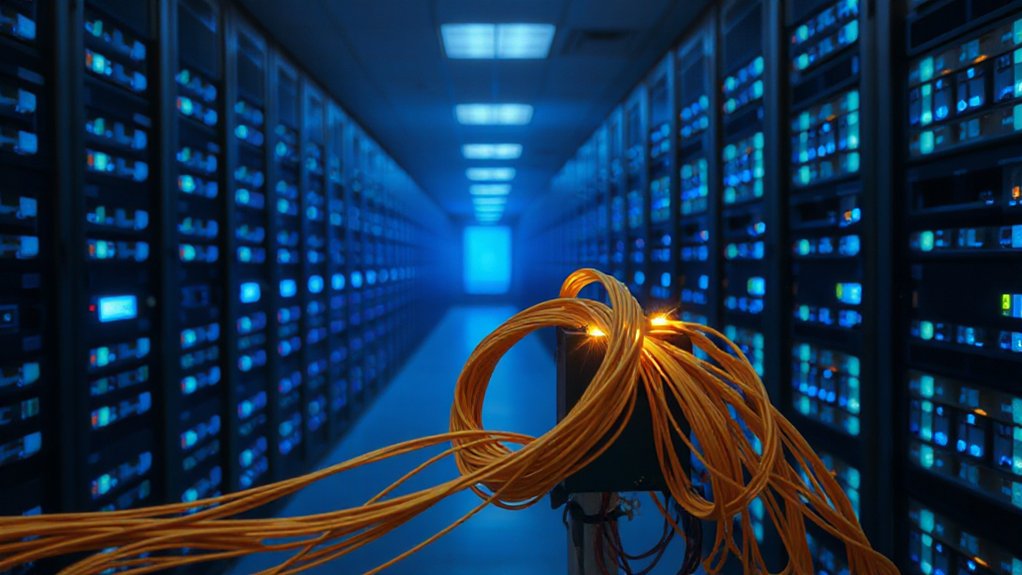

Alibaba is betting big on artificial intelligence. The Chinese tech giant just launched an HK$80 billion share placement, equal to about $10.2 billion. It’s the largest-ever primary follow-on offering by a Hong Kong-listed company. Alibaba offered 710 million ordinary shares at HK$112.70 each, a discount to the prior closing price. The company said 100% of net proceeds would go toward “full stack” AI capabilities.
The funds are earmarked for chips, infrastructure, and AI model development and deployment. Alibaba isn’t using this money for general corporate needs. It’s all directed at building out its AI business. The company is positioning itself as an AI leader alongside its existing e-commerce and cloud operations.
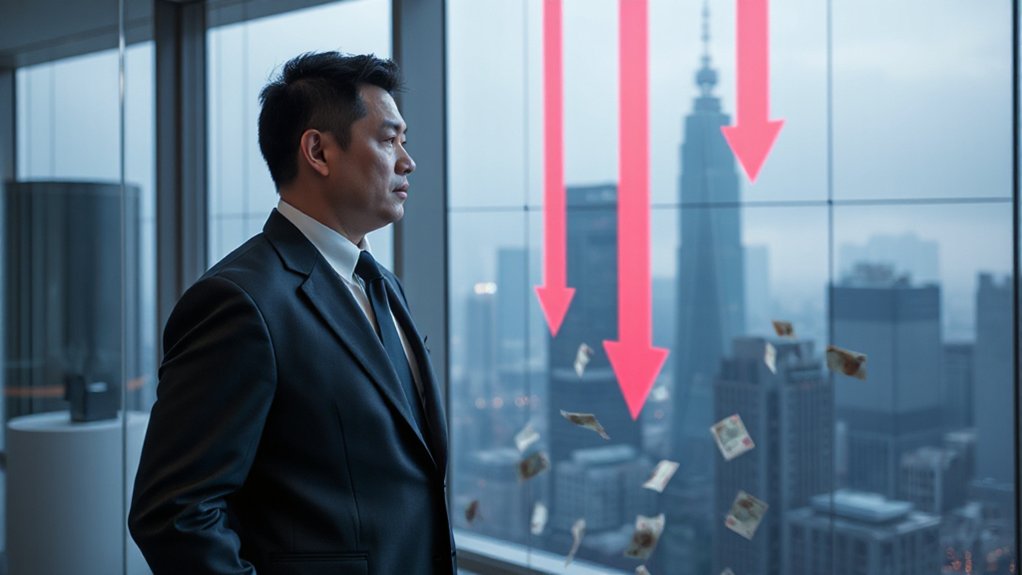
The share sale comes at a time when Alibaba’s profits are under serious pressure. Quarterly net profit fell 75% year over year. Net income for the April-June quarter dropped to about 10.5 billion yuan, roughly $1.6 billion. A year earlier, the same quarter produced 43.1 billion yuan. The main reason? Capital expenditures tied to AI infrastructure climbed to 67.7 billion yuan, about $10 billion, in just one quarter. Free cash outflow hit $6.6 billion.
Revenue told a different story. Quarterly sales rose 9%. AI-related services revenue jumped 45%. Cloud demand stayed strong as customers sought more computing capacity. So the top line is growing, but the bottom line is shrinking fast.
Markets didn’t react well. Alibaba’s Hong Kong shares slumped after the placement was announced on Sunday. Its U.S.-listed shares fell more than 4% in pre-market trading following the earnings report. Investors focused on dilution risk from the new shares and the sheer scale of spending required to compete in AI. Investors interested in tracking developments like these can subscribe to financial news platforms for comprehensive global markets insights.
Alibaba is fundamentally trading short-term profits for long-term infrastructure. The company believes AI will drive future growth across its cloud division and beyond. But the financial trade-offs are steep. A 75% profit decline and billions in cash outflows show what the AI race costs right now. Users attempting to research these financials online may encounter unusual activity detection prompts that require confirming they are not a robot before accessing the data. Some analysts have drawn parallels to how contaminated lands renewable energy projects require heavy upfront investment before yielding long-term environmental and economic returns.
Whether the bet pays off depends on how well Alibaba turns its massive spending into revenue and market share over time.
References
- https://www.bloomberg.com/news/articles/2026-08-20/alibaba-s-revenue-climbs-9-in-testament-to-china-s-ai-boom
- https://www.reuters.com/business/retail-consumer/alibaba-beats-quarterly-revenue-estimates-2026-08-20/
- https://www.bloomberg.com/news/articles/2026-08-23/alibaba-to-raise-10-billion-by-selling-shares-for-ai-expansion
- https://www.proactiveinvestors.com/companies/news/1097361/alibaba-profit-sinks-75-as-ai-spending-surges-1097361.html
- https://apnews.com/article/china-alibaba-earnings-ai-cloud-8a30302d23a96fc7b9aab664b9c1897d
- https://www.cnbc.com/2026/08/20/alibaba-cloud-revenue.html
- https://finance.yahoo.com/technology/ai/articles/alibaba-profit-sinks-75-ai-151400772.html
- https://www.investing.com/news/stock-market-news/alibaba-shares-fall-despite-45-cloud-growth-as-ai-spending-weighs-4870723
- https://www.businesstimes.com.sg/companies-markets/telcos-media-tech/alibaba-shares-slide-after-us10-2-billion-ai-share-sale-offered-sharp-discount
- https://www.reuters.com/business/retail-consumer/alibaba-proposes-hong-kong-share-placement-worth-10-billion-2026-08-23/