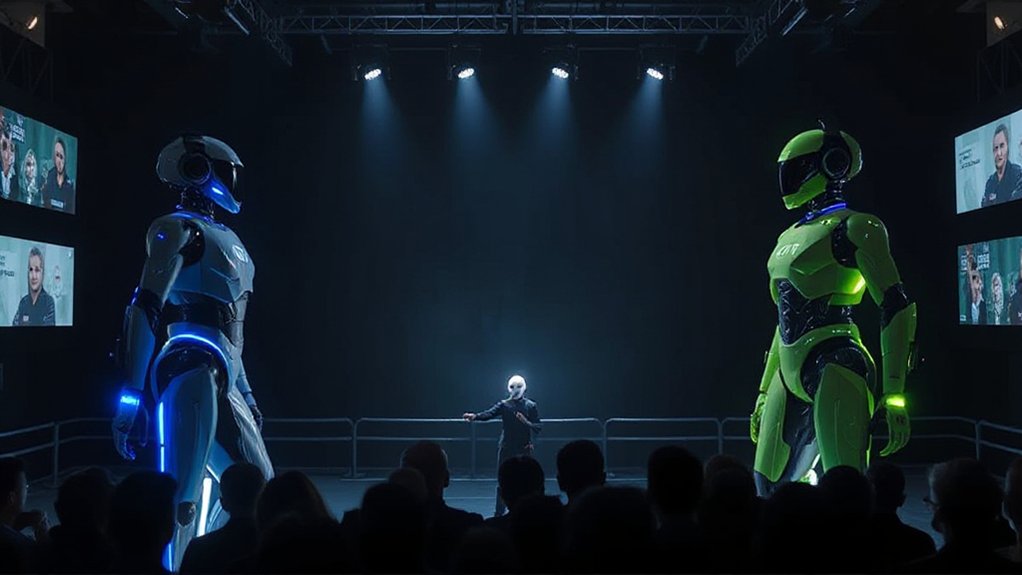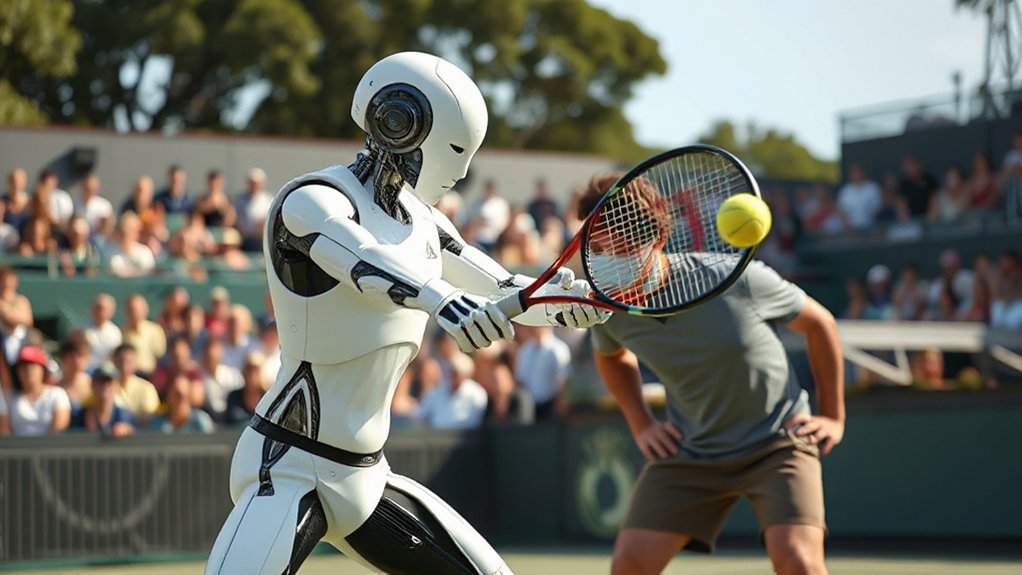

Artificial intelligence isn’t just a buzzword anymore — it’s a family of technologies reshaping how computers work. AI makes computers mimic human thinking by processing large amounts of data. Machine learning, or ML, is a part of AI. It lets computers learn from data without being directly programmed. Generative AI takes things further by creating brand-new content like text, images, code, and audio.
AI isn’t just a buzzword — it’s a family of technologies teaching computers to think, learn, and create.
Large Language Models, known as LLMs, are trained on massive amounts of text from books, websites, and research papers. They generate human-like language and power tools like GPT-4 and Claude. These models contain billions of parameters, which help them understand the small details of language. Deep learning uses neural networks inspired by the human brain to recognize complex patterns.
Several core technologies make generative AI possible. Transformers use attention mechanisms to handle long pieces of text effectively. GANs, or Generative Adversarial Networks, pit two systems against each other. A generator creates content while a discriminator judges it. This back-and-forth process sharpens the quality of outputs, especially images. Tokenizers break text into small numerical pieces so models can process it.
There’s a key difference between traditional ML and generative AI. Traditional ML predicts or classifies data. Generative AI actually creates new content. LLMs focus on language, while other models handle images, video, and audio. Supervised learning trains on labeled data, while unsupervised learning finds hidden patterns on its own.
Generative AI’s uses are wide-ranging. It powers chatbots, coding tools, SEO-friendly product descriptions, and realistic images through tools like DALL-E. Businesses are using it to speed up content creation and report writing. Notably, generative AI eliminates the need for traditional programming languages like HTML, Java, or SQL, making it far more accessible to everyday users.
Still, challenges exist. These systems can “hallucinate,” meaning they produce false or outdated information. They also require enormous computing power to train. Their outputs aren’t truly creative — they’re based on statistical patterns. Ethical concerns also surround open access to these tools without proper safeguards.
Retrieval-Augmented Generation, or RAG, is one method helping reduce errors by grounding outputs in trusted sources. ML models can also be retrained with new data, allowing them to reflect shifts in market conditions, customer behavior, or emerging preferences over time.
References
- https://directdigitalholdings.com/hubfs/DDH-AI-Council-Demystifying-Generative-AI.pdf
- https://www.moserit.com/blog/demystifying-ai-and-ml
- https://www.cloudthat.com/resources/blog/demystifying-gen-ai-a-beginners-guide
- https://www.telerik.com/blogs/generative-ai-demystified
- https://www.youtube.com/watch?v=Km4cSK8VLZ4
- https://resources.nvidia.com/en-us-generative-ai-for-retail/gtcspring23-s52089-1
- https://www.jeffthomas.dev/blog/ai-demystified-04