
Algorithms are rescuing dinner. A pioneering trial using artificial intelligence has successfully diverted 1.5 million meals from landfills, proving that machines might understand waste better than humans do. The technology tracks food through supply chains, matches surplus inventory with food banks, and predicts demand with uncanny accuracy.
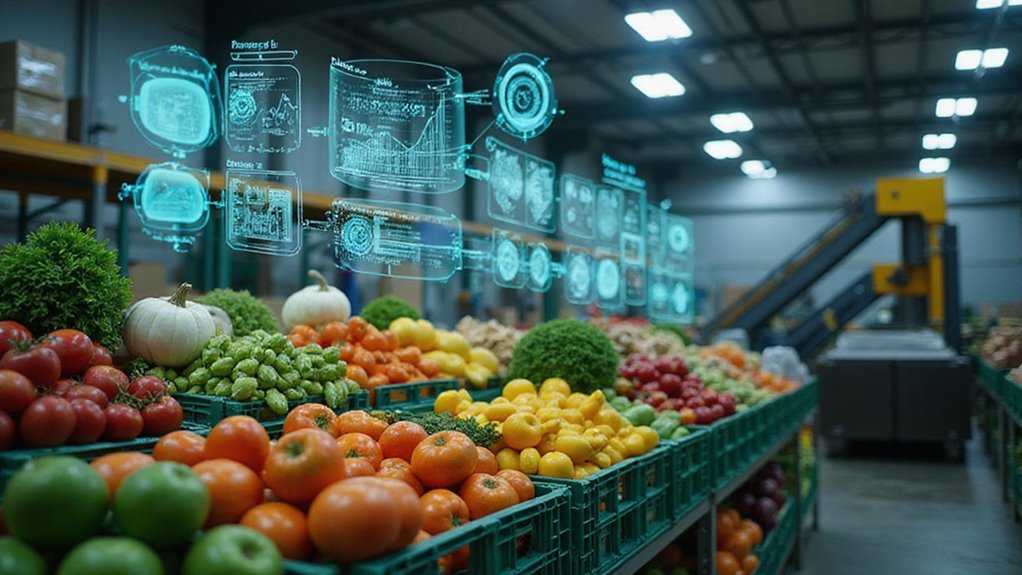
Major grocery chains deployed AI systems that analyze historical sales data alongside weather patterns to forecast demand for perishable products. The results? Fewer rotting tomatoes in dumpsters. These predictive models reduce overproduction, which remains the leading cause of surplus food waste in retail and food service sectors. When algorithms know a heat wave is coming, they adjust orders accordingly. Simple, yet innovative.
The supply chain got smarter too. AI monitors food movement in real time, identifying bottlenecks that cause spoilage. Automated routing systems cut transit times, keeping produce fresher. When storms threaten delivery routes, the system adapts instantly. One major supermarket chain reported sustained reductions in unsold inventory after implementing these logistics systems. Turns out computers excel at preventing lettuce from wilting in warehouses. However, these AI systems also consume massive energy resources, contributing to the environmental footprint that companies are working to offset through efficiency improvements.
Image recognition and sensors now assess food quality automatically, flagging items approaching spoilage. These tracking systems generate precise waste metrics, exposing which departments hemorrhage food. Managers receive AI-generated dashboards showing at-risk inventory, enabling immediate intervention. No more guessing which bananas will make it to Monday. The technology addresses a critical issue: 80% of Americans discard perfectly edible food due to confusion over expiration labels.
Perhaps most impressive is how AI coordinates food redistribution. Algorithms match surplus inventory with local charities in real time, optimizing pickup schedules to extend shelf life. Administrative burdens dropped considerably, encouraging more retailers and restaurants to participate in donation programs. The platforms basically play matchmaker between excess food and empty stomachs.
The environmental impact speaks volumes. Diverted food means reduced greenhouse gas emissions and lower disposal costs for businesses. Food waste accounts for 24% of landfill content in the United States, making these AI-driven reductions especially significant. Some operators even generate revenue from rescued food. The economic incentives align perfectly with sustainability goals, creating a rare win-win scenario.
Global adoption could transform food systems entirely. If algorithms can rescue 1.5 million meals in limited trials, imagine the potential at scale. The technology exists. The results are proven. Now it’s just a matter of implementation.
References
- https://refed.org/downloads/refed-us-food-waste-report-2025.pdf
- https://www.rts.com/resources/guides/food-waste-america/
- https://greenly.earth/en-us/blog/industries/global-food-waste-in-2022
- https://rpra.ca/the-hub/ai-innovations-drive-global-food-waste-reduction-and-sustainability/
- https://digitaldefynd.com/IQ/ai-role-in-reducing-food-waste/