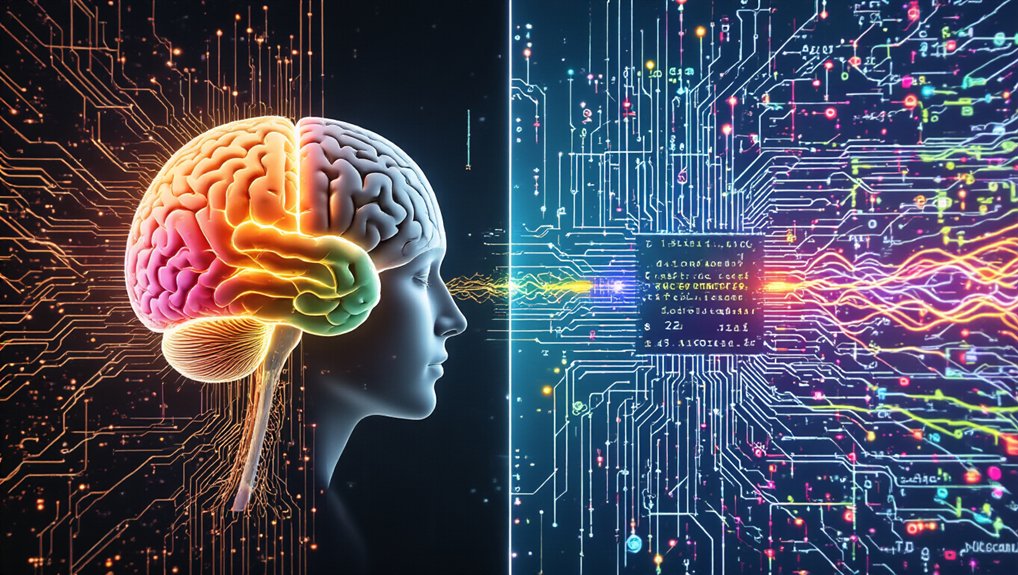

AI’s Silent Transformation refers to a new approach where AI systems are programmed to pause before responding. These deliberate pauses make machines seem more thoughtful and human-like in conversations. Major tech companies have added this feature to virtual assistants and chatbots, creating more natural interactions. The technology, called deliberative processing, helps bridge the gap between human and machine communication. This subtle change marks a significant shift in how we’ll experience AI in daily life.
While most people don’t notice it, artificial intelligence has quietly become part of everyday life. From Google Maps predicting traffic to Spotify creating personal playlists, AI works behind the scenes. Voice assistants like Alexa and Siri understand our questions. Netflix and Amazon recommend what we might like next.
Businesses are changing how they work because of AI. Customer service chatbots answer questions at any hour. AI systems can predict when machines will break down before they actually fail. In e-commerce, AI manages inventory more efficiently. Financial companies use it to spot market trends and manage risks. These AI solutions operate as digital problem-solvers, collaborating with humans to enhance potential rather than merely serving as tools.
Companies like OpenAI are creating advanced models that generate human-like text. Vimeo now offers AI tools that recognize scenes in videos and help with editing. These AI systems are making workers more productive and sparking new ideas across many industries.
The economic impact is significant. Experts predict the global AI market will reach $300 billion by 2030. Companies using AI for customer service have cut costs by 35%. JPMorgan Chase prevented $150 million in fraud last year with AI detection systems. In healthcare, AI has reduced diagnostic times by 60%. The AI healthcare market specifically is projected to reach 45.2 billion dollars by 2026, growing at a remarkable rate of nearly 45% annually.
Despite these benefits, AI raises important concerns. These systems collect vast amounts of personal data. Some AI algorithms show biases from their training data. Many worry about job losses as machines take over tasks. Comprehensive training programmes covering both technical aspects and practical applications of AI are crucial for businesses adapting to this technological shift. There’s also debate about ethics in AI decision-making.
Looking ahead, AI will become more sophisticated. It will handle more complex tasks and integrate further into our daily lives. While it may change job markets, AI could help solve big problems in healthcare and sustainability.
As AI continues to evolve, society needs better regulations and frameworks. The challenge will be balancing technological progress with human needs and values. The silent transformation of AI is just beginning, and its full impact remains to be seen.