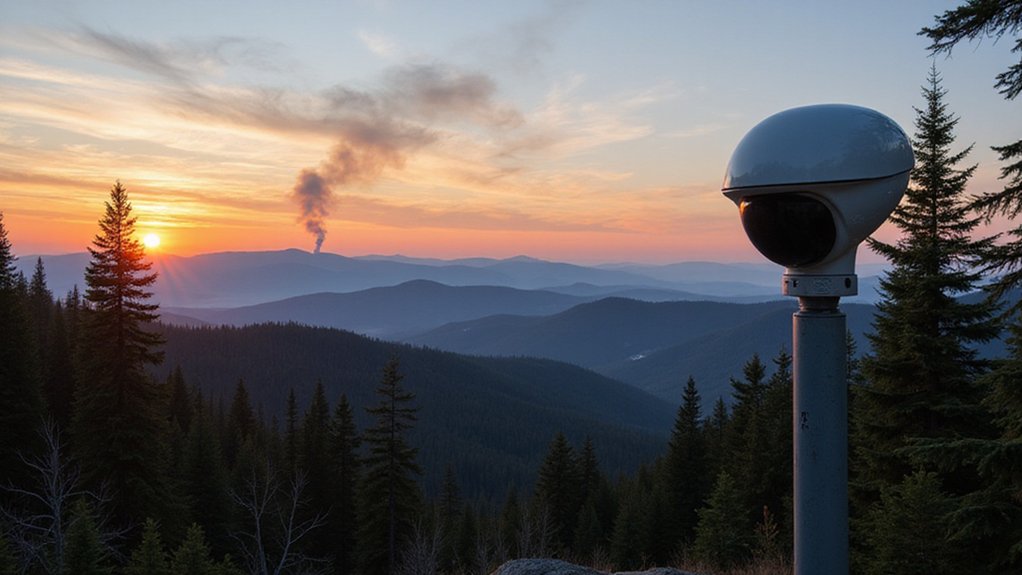

Security cameras aren’t just recording anymore. They’re thinking. By 2026, most enterprise surveillance systems run AI directly on the camera itself. This is called edge processing. It means the camera handles analysis without sending footage to a distant server. Over 80% of new surveillance setups worldwide are expected to follow this model by 2027.
This shift matters because it makes surveillance faster. Cameras can now spot objects, track people, and flag unusual behavior in real time. They don’t need an internet connection to do it. Countries with strict data privacy laws especially like this approach because footage stays local.
AI systems aren’t just watching. They’re acting. A new generation of autonomous AI agents can respond to security events on their own. They can search for a specific person, track movement, and trigger alarms without a human giving orders. Operators still make final decisions, but the AI handles the early work. This changes how security teams operate every day.
AI systems aren’t just watching anymore — they’re acting, searching, tracking, and triggering alarms without waiting for human orders.
These systems also pull in more than just video. Microphones detect gunshots and breaking glass. Temperature sensors, motion detectors, and access control systems all feed into one unified AI model. The system pieces everything together to identify threats faster than a human could. Models capable of processing text, images, and audio simultaneously allow surveillance platforms to cross-reference multiple data streams for more accurate threat detection.
But accuracy depends on data quality. Poor lighting, fog, and backlighting create visual noise. That noise confuses AI systems and causes false alarms. Experts describe this as a “garbage in, garbage out” problem. If the raw data is bad, the AI’s conclusions will be bad too. Manufacturers are addressing this by equipping cameras with larger sensors to capture cleaner, more reliable image data.
Generative AI is now being added to these platforms. It can turn surveillance footage and sensor data into written reports. Instead of just sending an alert, the system explains what happened, why it matters, and what likely comes next. This converts raw footage into readable security intelligence. AI can also generate these reports in multiple languages, broadening accessibility for global and regional security teams.
Privacy concerns remain significant. Responsible use requires securing stored footage and limiting who can access it. Data privacy regulations govern how this information can be used. Surveillance technology is evolving quickly, and the rules around it are still catching up.
References
- https://www.youtube.com/watch?v=1qZ3oBf7bZg
- https://www.triya.ai/blog/future-of-ai-surveillance-2026/
- https://hanwhavision.eu/video-surveillance-trends-2026-trustworthy-ai-and-sustainability/
- https://www.sentinelone.com/cybersecurity-101/data-and-ai/ai-cybersecurity-trends/
- https://premioinc.com/blogs/blog/ai-surveillance-and-security-technology-trends-for-2026
- https://building-technologies.messefrankfurt.com/frankfurt/en/media-library/whitepapers-studies/trends-security-technology-2026.html
- https://www.protectionplus.ca/resources/blog/security-technology-trends-to-watch-in-2026-how-ai-and-smart-devices-are-elevating-protection/