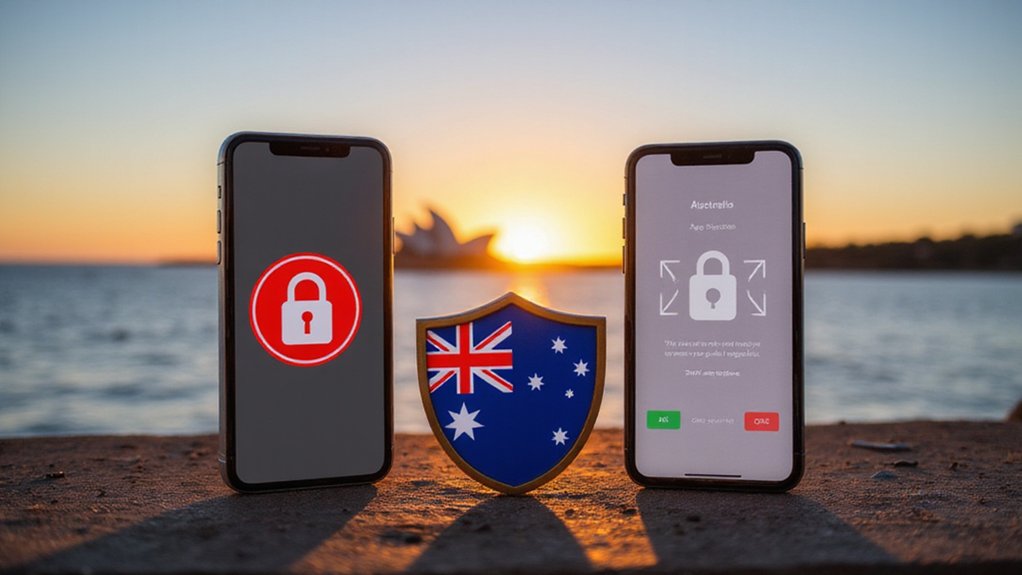

When Australia’s Parliament passed one of the world’s strictest social media age laws this month, tech companies weren’t exactly thrilled. The Online Safety Amendment (Social Media Minimum Age) Act 2024 sets the minimum age at 16 for social media access. Platforms that don’t comply? They’re looking at fines up to AUD 50 million. That’s USD 32 million for those keeping score.
Australia drops the hammer: 16-year minimum for social media or face $32 million fines.
The twist is Australia just proved the tech actually works. Government trials with over 1,000 school students found age verification systems can reliably determine user age without turning into data-harvesting nightmares. The tools tested ranged from ID verification to biometric analysis and behavioral data assessment. No significant technological hurdles, the trials concluded. Translation: Big Tech’s “it’s too hard” excuse just went up in smoke.
Social media giants called the law vague, rushed, and problematic. They’re worried about over-collecting user data, apparently. Strange how that’s suddenly a concern when it affects their bottom line. The irony isn’t lost on anyone who’s watched these platforms vacuum up personal information for years. The law specifically prohibits platforms from collecting government-issued ID for age verification purposes, addressing one of the industry’s key concerns.
Come December 2025, Facebook, Instagram, TikTok, X, and the rest will need functioning age checks or face those hefty fines. YouTube, WhatsApp, and Google Classroom currently have exemptions from the requirements. The legislation outlines specific obligations for platforms regarding age verification and data privacy. Independent reviews and government oversight will monitor compliance. No wiggle room here.
Australia’s motivation is straightforward: mounting evidence shows social media hammers kids’ mental and physical health. The nationwide concern about online safety finally translated into action. Sure, it’s a world-first approach, but someone had to go first.
The trials emphasized privacy protections and data minimization. Some age assurance tools could over-collect information, but that’s what oversight is for. Regulatory authorities insist they can balance effective verification with user privacy. Time will tell if they’re right.
Industry stakeholders keep raising concerns about enforcement practicality. Australian authorities keep pointing to their successful trials. It’s a standoff where one side has data and the other has excuses. Consultation periods continue, but the law’s happening regardless. Big Tech better start coding.
References
- https://www.esafety.gov.au/about-us/industry-regulation/social-media-age-restrictions/consultation
- https://www.quinnemanuel.com/the-firm/publications/australia-sets-minimum-age-for-social-media-use-a-closer-look-at-the-online-safety-amendment-social-media-minimum-age-act-2024/
- https://www.esafety.gov.au/about-us/industry-regulation/social-media-age-restrictions
- https://www.indiatoday.in/technology/news/story/kids-under-16-may-soon-face-social-media-ban-after-australia-proves-it-has-tech-for-age-verification-2743757-2025-06-20
- https://www.dawn.com/news/1918401/australian-trial-says-tech-for-social-media-teen-ban-can-work