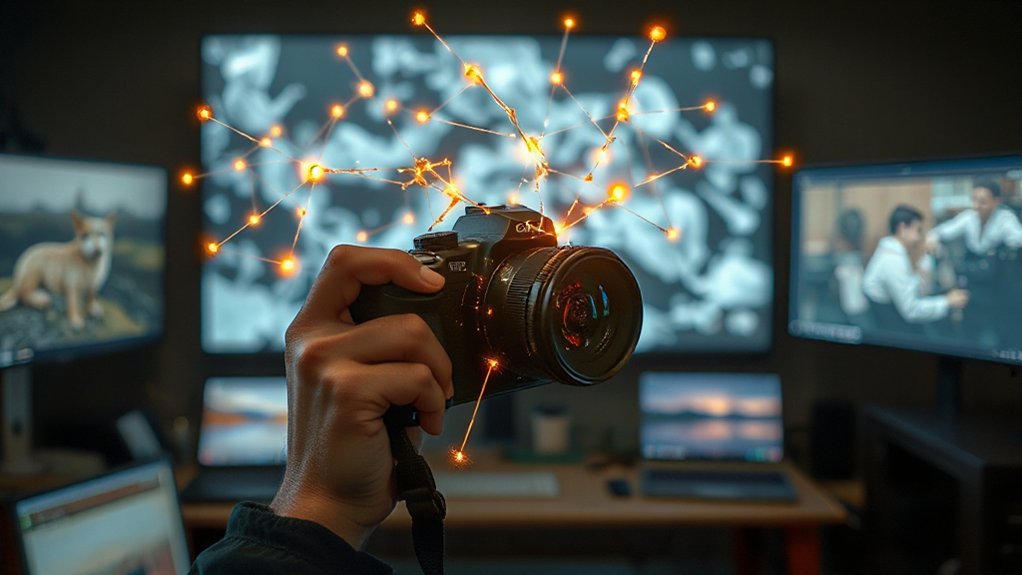
OpenAI has launched ChatGPT Images 2.0, a major upgrade to its image generator. CEO Sam Altman compared the leap to the jump from GPT-3 to GPT-5. The update shifts how the system works. Instead of quickly interpreting prompts, it now builds visuals in a more deliberate way.
Before creating an image, the tool performs an internal reasoning step. It breaks a prompt into parts, plans the composition, and then produces the image. It can also pull context from uploaded files or online sources. This helps it understand prompts at a deeper level than older tools.
One of the biggest improvements is text rendering. Earlier image generators struggled to produce legible letters in posters, menus, and slides. ChatGPT Images 2.0 now handles proper spacing and accurate meaning. It’s also better at following instructions and handling precise spatial relationships within a scene.
The update adds strong editing features too. Users can remove objects from a scene, expand images, and adjust aspect ratios. Multiple edits can be made in a single prompt. The tool also supports granular edits, like replacing one section of an image, and can create PNG files with transparent backgrounds.
Creative professionals are finding many uses for it. The tool can build pitch decks, infographics, product ads, comic books, and concept art. It can produce skincare ads, custom illustrations, and product mockups in seconds. It also generates ads and layouts by researching references on its own.
To get the best results, users are pairing prompts with quality enhancers. Terms like “highly detailed,” “8K resolution,” “sharp focus,” and “award-winning photography” help push output quality higher. Style presets and layout instructions also improve results for infographics and professional designs. Platforms like Dzine AI make this process more accessible by offering commercial licensing that gives creative professionals clear usage rights for every image they generate.
In terms of competition, ChatGPT Images 2.0 narrows the gap with Google Gemini in multimodal AI. It’s being called the strongest rival in combining text, images, and context. Many are labeling it the best image generator available right now. The tool’s thinking-like process is changing creative production from hours of work to just seconds. A key part of this shift is how multiple outputs from the same prompt now retain visual consistency, making it easier to develop recognizable characters and styles across a project. Similar to how cities like Boston are using AI to cut incident response times by 20%, AI image tools are compressing creative workflows that once took hours into a matter of seconds.
References
- https://www.techradar.com/ai-platforms-assistants/chatgpt/not-just-generating-images-its-thinking-chatgpt-images-2-0-could-fundamentally-change-how-you-make-ai-images
- https://www.dzine.ai/blog/chatgpt-image-2-0-prompts/
- https://www.youtube.com/watch?v=pJWjSBx9i3I
- https://www.youtube.com/watch?v=0BMUI061vAQ
- https://openai.com/index/introducing-chatgpt-images-2-0/