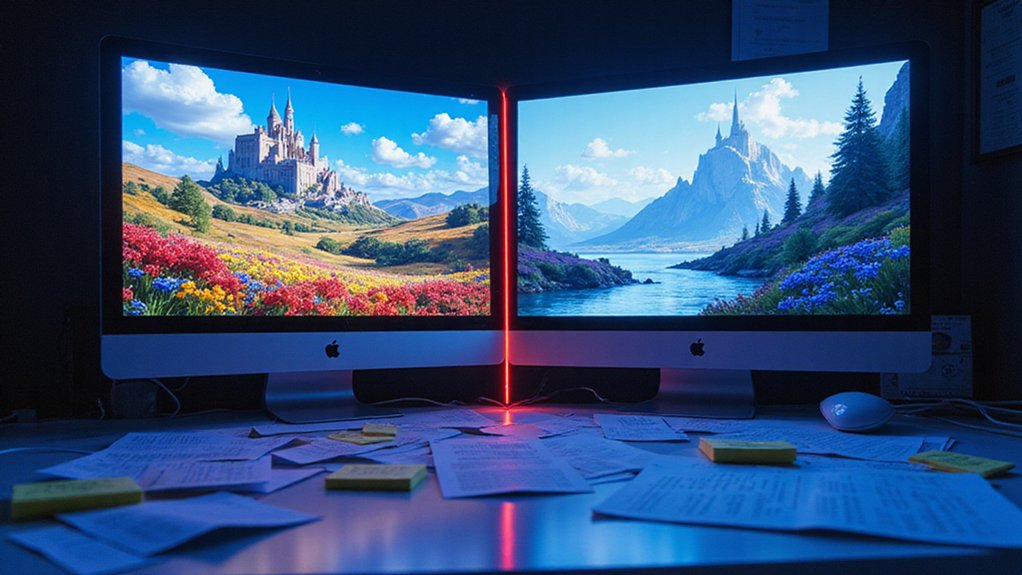

ChatGPT’s image generation tool has ignited controversy with unexpected content. Users have created disturbing images like babies on dinner plates and offensive religious depictions. The AI also mimics Studio Ghibli’s anime style, raising copyright concerns. Companies face scrutiny over their content moderation practices as communities debate whether these outputs are harmless experiments or ethical violations. The technology’s ability to produce both delightful and disturbing content reveals the complex challenges of AI development today.
Since its release, ChatGPT‘s new image generation tool has sparked fierce debate across social media and tech circles. Despite built-in guardrails, users have discovered ways to create content that pushes ethical boundaries, including photorealistic images showing Jesus Christ making obscene gestures while an American flag burns in the background.
Other disturbing examples showed graphic content like a baby’s head on a dinner plate, raising serious questions about AI’s capability to generate shocking imagery. These edge cases highlight ongoing challenges in content moderation and ethical AI development.
The tool’s ability to mimic distinctive artistic styles has become especially contentious. When users began generating images in Studio Ghibli’s iconic anime style, legal experts quickly pointed out potential copyright infringement. For AI to replicate such specific aesthetics, it must have learned from copyrighted works, possibly without proper authorization.
AI’s mimicry of signature styles like Studio Ghibli raises troubling questions about copyright infringement and unauthorized learning from protected works.
This artistic mimicry spawned viral trends across social media. Users reimagined their pets, Olympic athletes like Turkish shooter Yusuf Dikec, and various mascots as Ghibli characters. The trend spread rapidly, with major brands and even government agencies participating, further blurring the line between creative homage and copyright violation.
Behind these controversies lies troubling questions about AI training data. Reports revealed that some companies outsourced collection of image data that included potentially illegal or explicit material. When contractors raised concerns about this content, projects were quickly terminated.
The viral spread of both disturbing images and style-mimicking creations has intensified the debate around AI ethics. Communities remain divided—some view controversial outputs as harmless experimentation, while others see serious ethical breaches with potential legal consequences. Many of these AI-generated images reflect a high school-level understanding of what constitutes truly provocative or meaningful social commentary.
As generative AI becomes more accessible, questions about copyright, content moderation, and ethical boundaries grow more urgent. Hayao Miyazaki’s profound criticism that AI art lacks human experience and pain resonates strongly with those concerned about authentic creativity. The technology’s ability to produce both delightful and disturbing content demonstrates the complex challenges ahead as society grapples with AI’s role in art creation and the boundaries of appropriate use.
References
- https://futurism.com/chatgpt-controversial-images
- https://www.tomsguide.com/ai/the-controversial-chatgpt-studio-ghibli-trend-explained-what-you-need-to-know
- https://www.livenowfox.com/news/chatgpt-ghibli-memes-ai-ethics
- https://time.com/6247678/openai-chatgpt-kenya-workers/
- https://asiaiplaw.com/sector/trademarks/the-chatgpt-and-studio-ghibli-controversy-questions-begging-for-answers