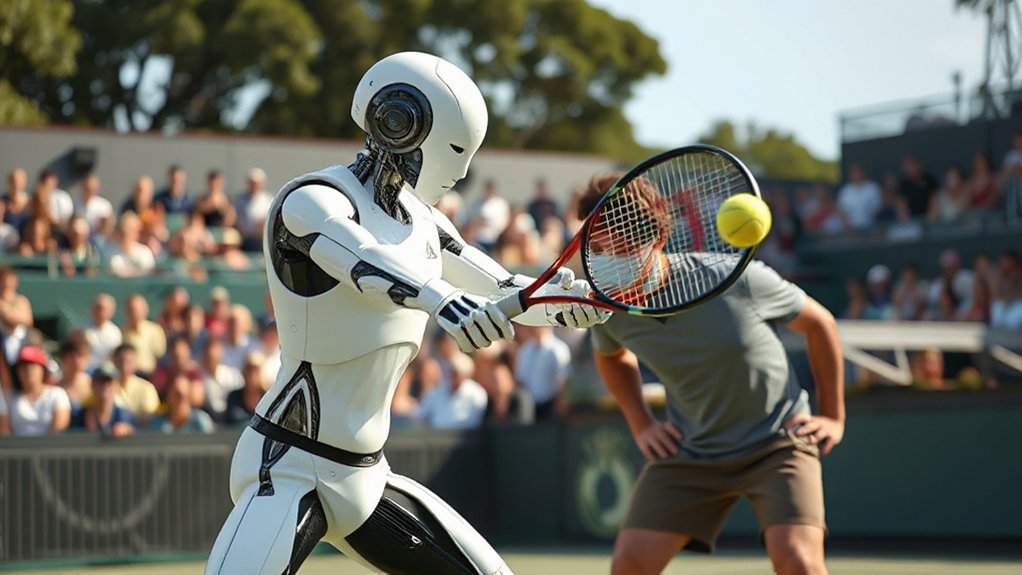

Chess builds human resilience that algorithms can’t match. Players develop emotional strength by adapting to challenges and bouncing back from defeats. The game teaches patience, cultivates perseverance, and boosts self-confidence through mastery of complex strategies. Unlike AI, humans form meaningful social connections across generations, reducing isolation. Chess also offers mental health benefits and cognitive improvements. These uniquely human qualities demonstrate why machines can compute moves but never truly understand the game.
There are seven key ways chess builds resilience in humans, making it far more than just a board game. Research shows that chess enhances emotional resilience by teaching players to adapt to unexpected turns and challenges. Players learn to stay composed under pressure and remain calm in adverse situations. This skill helps them bounce back from setbacks both on the board and in real life. Chess encourages players to approach setbacks with a growth mindset that transforms losses into valuable learning experiences.
Chess also cultivates patience and perseverance. Players must think carefully before making moves and often wait for the right moment to act. The game instills a “never give up” mindset, even when facing difficult positions. This determination helps players develop resilience to continue despite overwhelming odds. Hasty decisions in chess are typically punished, which promotes careful consideration of all available options.
Self-confidence grows through chess practice. As players master complex strategies, they experience intellectual growth and a sense of accomplishment. This confidence extends beyond the game, helping them tackle real-life challenges with increased ease and improved decision-making abilities.
Mastering chess strategy builds lasting confidence that transforms how we approach life’s most complex challenges.
The social benefits of chess are significant. The game connects people across age groups and languages, reducing feelings of isolation. Chess communities provide supportive networks where players build friendships and find a sense of belonging. Unlike agentic AI systems that operate autonomously, chess fosters genuine human connection and collaboration.
Cognitive improvements from chess include enhanced critical thinking, strategic planning, and concentration. The game sharpens memory and spatial reasoning while stimulating both brain hemispheres. Studies suggest regular play may help prevent or delay cognitive decline.
Chess develops emotional intelligence by teaching players to manage feelings during competitive matches. They learn to think objectively in challenging situations and improve social awareness. These skills strengthen executive functions like decision-making.
The mental health benefits extend beyond the board. Chess provides stress relief and relaxation while improving overall well-being. Research indicates it may help prevent symptoms of depression and anxiety. The cognitive stimulation might protect against dementia while promoting a sense of achievement and personal growth.