
Digital marketing’s changing fast in 2026. Brands that don’t adapt may fall behind. New technology is reshaping how people find products, consume content, and make buying decisions.
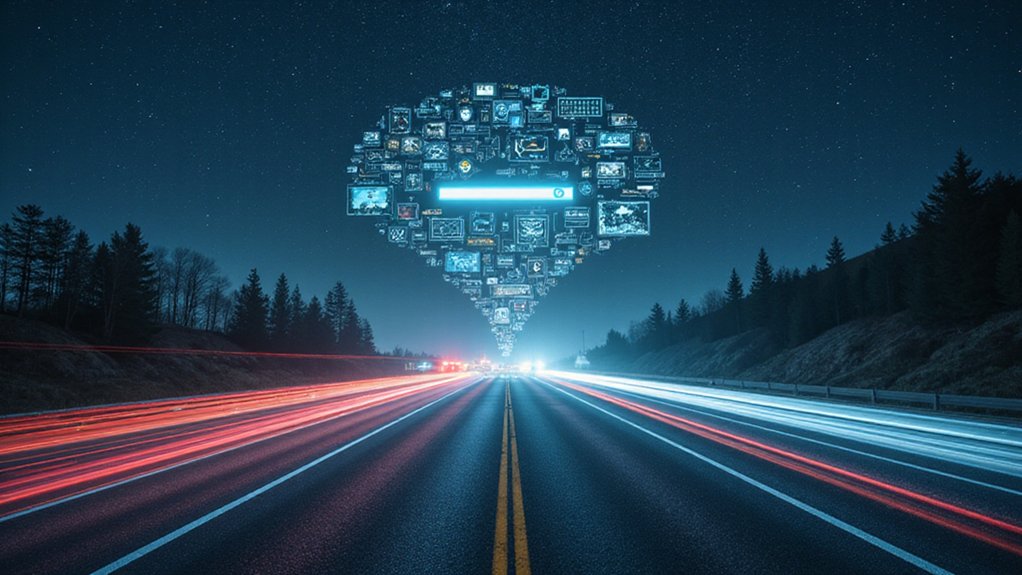
AI search tools are changing how people use the internet. Google AI Overviews and Bing Copilot now answer questions directly. That means fewer people click on regular website links. Organic click-through rates have dropped by up to 60% on searches where AI gives direct answers. Traditional search traffic is predicted to drop by 25% overall. Brands now need structured content and schema markup to get noticed by AI systems.
Social media has also become a search engine. Platforms like TikTok, Instagram, and YouTube are where Gen Z and younger users go first to research brands. Social feeds work like a search bar. Communities and recommendations drive brand discovery. A new strategy called GEO, or Generative Engine Optimization, is emerging to help brands get found through AI-driven platforms.
Visual and AR search is growing too. Tools like Google Lens let users search with their cameras instead of typing. Virtual try-ons and object recognition make shopping faster on mobile devices. Retail, tourism, and real estate are seeing the strongest results from visual search technology.
Marketing automation is also becoming standard. Platforms like HubSpot and Google Ads now default to automated setups. Around 46% of marketers use AI to scale creative production. Without automation, up to 30% of marketing budgets can go to waste.
Privacy concerns are shaping personalization strategies. Brands are turning to first-party and zero-party data, meaning data people share directly and willingly. Consumer trust is harder to earn because fake digital content is spreading. People want authenticity. Brands are also integrating data into a single customer view using Customer Data Platforms to enhance personalization while respecting privacy preferences.
AI-generated content is everywhere, but it’s raising concerns. About 75% of marketers fear brand content will become impossible to tell apart. Around 86% have noticed AI outputs that look like competitor content. Employee-generated content is rising as a more human-feeling alternative.
Video content remains powerful. Long-form episodic content drives engagement. Voice-optimized content is growing to match conversational search habits. Attention is splitting across many platforms. Voice assistants and AI agents now filter search results and deliver answers without ever showing a screen, making conversational, question-based content essential for brands that want to stay visible.
References
- https://grofuse.com/top-5-digital-marketing-trends-to-watch-in-2026/
- https://www.refontelearning.com/blog/digital-marketing-in-2026-top-trends-strategies-and-how-to-stay-ahead
- https://www.smartly.io/digital-advertising-trends/2026
- https://www.ethos-marketing.com/blog/8-digital-marketing-trends-that-will-define-2026/
- https://www.deloittedigital.com/nl/en/insights/perspective/marketing-trends-2026.html
- https://www.igmguru.com/blog/digital-marketing-trends