While millions scroll through social media feeds each day, many experience a profound sense of emptiness that technology can’t fill. This feeling extends beyond casual users to those working behind the scenes in tech industries. Research shows that psychological emptiness manifests in various ways, including emotional distress, alienation, and self-doubt.
For Indian women hired to train AI systems, this emptiness often stems from unresolved trauma. They’re exposed to disturbing content daily, creating emotional voids that persist long after work hours end. These workers report symptoms like persistent sadness, emotional numbness, and difficulty forming meaningful connections.
The problem gets worse through social isolation. Despite being surrounded by coworkers, many describe feeling intensely lonely. This detachment represents what psychologists identify as Detachment and Self-Threat (DST), a key dimension of psychological emptiness. Studies confirm that DST is the strongest predictor of suicide risk, significantly outperforming traditional depression measures. Workers lose their sense of meaning and purpose as they face disturbing content without adequate support.
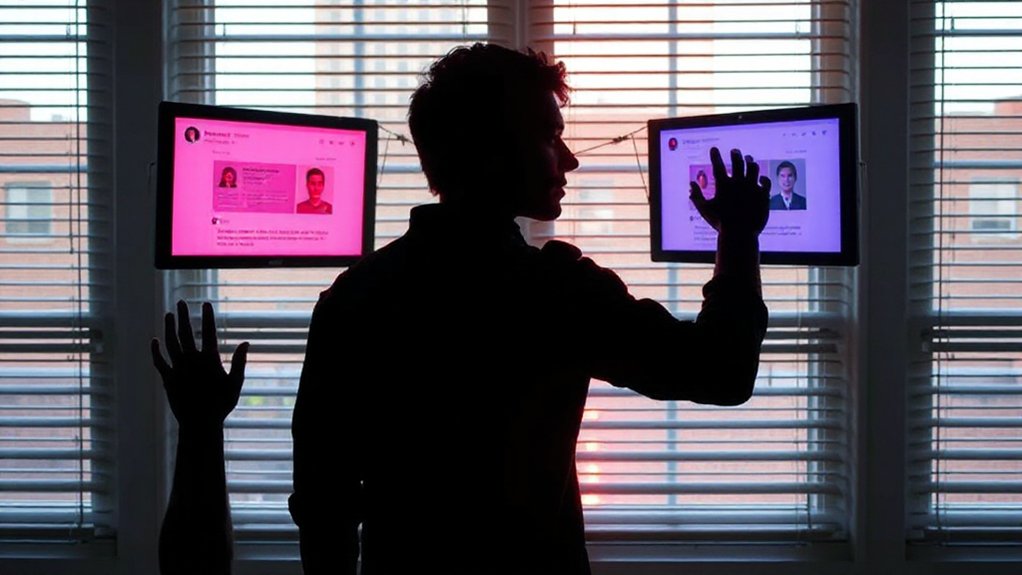
Surrounded by others yet profoundly alone, workers face DST as disturbing content strips away meaning and purpose.
Mental health experts note that chronic emptiness can lead to depression and anxiety if left unaddressed. For these AI trainers, the condition strongly connects to self-harm thoughts and unhealthy coping mechanisms. Some turn to excessive eating, drinking, or mindless social media scrolling to fill the void.
Chronic stress causes further damage. The combination of disturbing content and long hours leads to emotional fatigue, flattening emotions and dulling thoughts. Many workers experience a form of chronic dissociation that contributes to feeling empty inside. Without adequate psychological safety in the workplace, employee morale deteriorates rapidly, compounding feelings of emptiness and disconnection.
Additional triggers include demanding work environments where personal needs are neglected, creating anxiety and shame. Without clear goals or purpose beyond filtering disturbing content, these workers face a growing sense of purposelessness.
The impacts reach beyond individual workers. This emptiness suppresses emotions and worsens over time without proper acknowledgment or support. As AI companies expand operations globally, addressing these psychological impacts becomes increasingly important for worker wellbeing and the ethical development of AI systems.
References
- https://pmc.ncbi.nlm.nih.gov/articles/PMC12269772/
- https://www.talktoangel.com/blog/coping-with-the-feeling-of-emptiness
- https://psychcentral.com/blog/stop-feeling-empty
- https://www.miragenews.com/assessing-emotional-emptiness-may-combat-life-1203287/
- https://www.anxietycentre.com/anxiety-disorders/symptoms/empty-feeling-anxiety/
- https://www.calm.com/blog/why-i-feel-empty-headed
- https://www.skillshare.com/en/blog/what-is-negative-space-design-psychology/
- https://www.sprakdesign.com/the-psychology-of-white-space-using-emptiness-as-a-powerful-design-element/