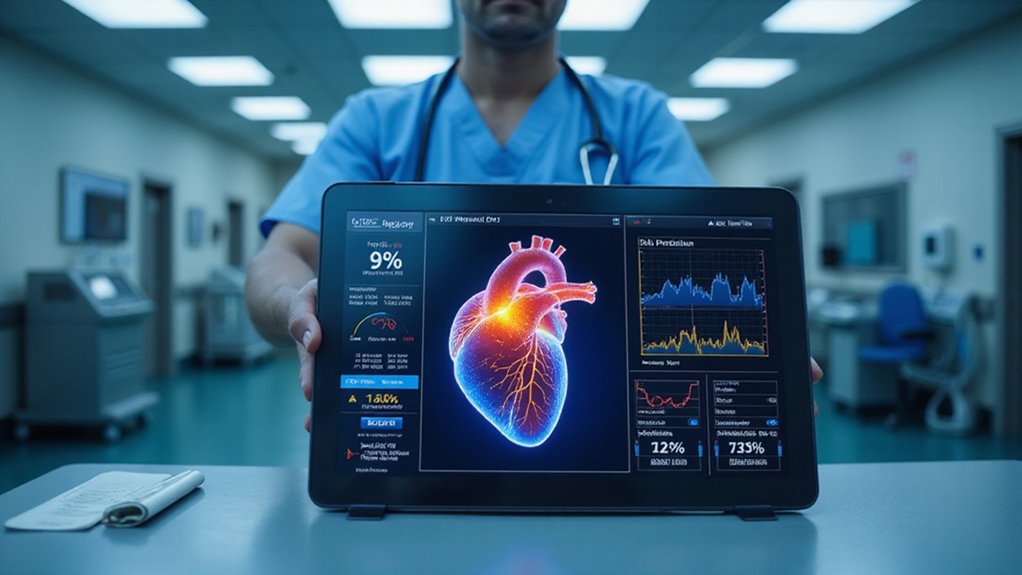
Venezuela faces a growing malaria emergency in its jungle regions. The disease has returned with force, spreading rapidly among mining communities. About 135,000 cases have been reported so far. A new AI system now detects malaria parasites with over 99% accuracy. The technology analyzes blood samples quickly in areas where doctors are scarce. This advanced tool helps track outbreaks and offers hope for controlling the disease’s spread.
As malaria cases surge in Venezuela’s remote jungle regions, a new artificial intelligence system is offering hope in the fight against this deadly disease. The AI tool uses advanced computer vision to detect malaria parasites in blood samples with 99.51% accuracy, identifying both Plasmodium falciparum and Plasmodium vivax species that cause the illness.
The technology comes at a critical time for Venezuela, which once declared malaria-free in 1961, now faces a serious outbreak with about 135,000 cases reported in a recent year. This resurgence is linked to increased gold mining activities in jungle areas, where miners disturb water bodies and clear forests, creating ideal breeding grounds for mosquitoes that spread malaria.
The AI system, powered by NVIDIA GPUs, analyzes blood smears within minutes, counting parasites among hundreds of thousands of red blood cells. It’s specifically designed for remote areas with few medical resources, where expert microscopists aren’t available. The convolutional neural network architecture enables precise identification of parasite morphology even in complex blood samples. The technology is particularly valuable in mining regions far from hospitals and clinics.
Users need only about two hours of training to operate the system. It’s portable, potentially battery-powered, and requires minimal infrastructure compared to traditional microscopy labs. This makes it perfect for jungle environments where healthcare access is limited.
Beyond individual diagnosis, the AI tool enables large-scale screening efforts important for controlling disease spread. The model was trained on nearly 190,000 labeled images from blood smear samples, ensuring robust performance across different infection scenarios. The digital data collected can feed into national and international malaria surveillance networks, helping track outbreaks and guide prevention efforts.
The system isn’t limited to identifying parasites. It can determine their lifecycle stage and count them, providing a complete picture of infection severity. If needed, the digital slides can be shared with distant experts for further review.
While the technology shows promise, experts recommend additional testing in real-world healthcare settings before widespread adoption. With diagnostic accuracy improved by 5-10% using AI tools compared to traditional methods, this approach could become a model for fighting other diseases in similar remote settings, potentially saving countless lives in areas where healthcare resources are scarce.