Pixar’s creative chief Pete Docter isn’t buying the AI hype. In recent public statements, the animation veteran described artificial intelligence as “the least impressive blah average of things,” throwing cold water on the tech’s creative potential. He didn’t mince words about AI-generated content, calling it “bland” and lacking the spark needed for truly innovative work. Pretty harsh from the guy running one of the most technologically advanced animation studios on the planet.
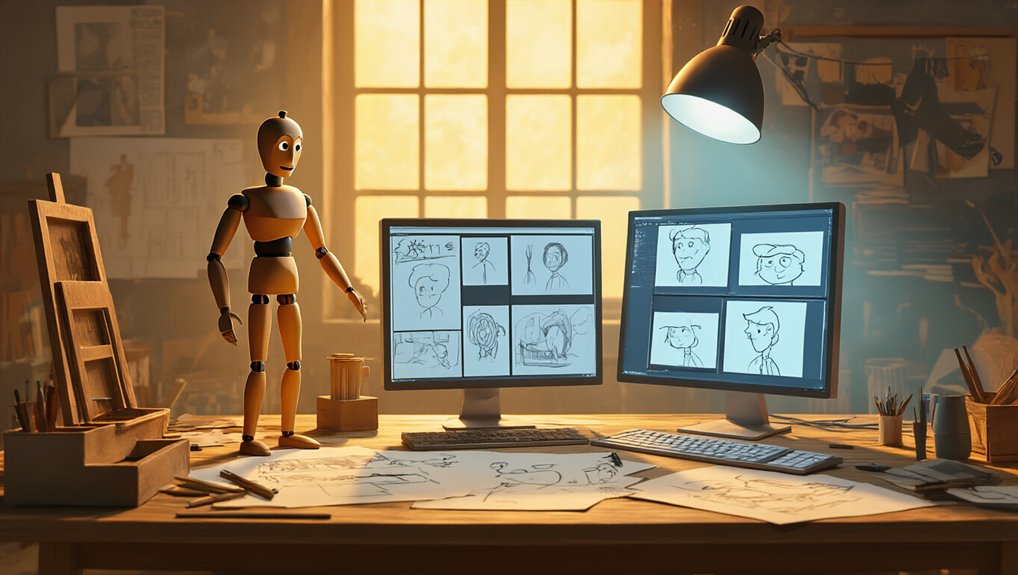
This skepticism comes at an interesting time. Pixar actually released a fully AI-generated animated short in 2025—their first. The project used proprietary deep-learning models throughout the entire production pipeline, from brainstorming to final rendering. They’ve even submitted it to film festivals. Talk about mixed signals.
Pixar dips its toes in AI waters while its creative chief publicly calls the technology mediocre. Corporate contradiction at its finest.
The tension makes sense given Hollywood’s current climate. AI automation has sparked major labor unrest, including strikes. Artists are worried about their jobs. Meanwhile, some competitors are going all-in, replacing human writers with algorithms. Lionsgate specifically has been at the forefront of replacing human writers with AI for scriptwriting. James Cameron’s over there loving AI for cutting costs. Pixar seems caught in the middle—experimenting with the tech while their creative boss publicly questions its value.
Docter’s main beef? AI can’t create anything truly new. It just remixes existing stuff. “Here’s a mediocre version of everything you’ve ever seen before!” That’s fundamentally what he thinks AI delivers. Not exactly a ringing endorsement.
The irony isn’t lost on industry observers. Pixar once transformed animation by replacing hand-drawn techniques with computer generation in films like Toy Story. Now they’re approaching another technological shift with obvious caution. This cautious approach reflects broader concerns that AI threatens creative jobs through its ability to generate content without human input.
Despite the criticism, Pixar’s AI initiatives suggest they see some value in the technology. It dramatically speeds up production—turning months of work into days. Industry analysts have noted that this represents a significant technological leap in animation production capabilities. That’s nothing to sneeze at in an industry obsessed with efficiency.
For now, Pixar’s positioning AI as a collaborative tool, not a replacement for human creativity. Given Docter’s comments, that’s probably where it’ll stay for a while.
References
- https://thesiliconreview.com/2025/04/pixar-ai-short-film-release
- https://www.youtube.com/watch?v=5E-WggBUfRw
- https://www.cartoonbrew.com/ideas-commentary/pete-docter-says-ai-could-be-a-game-changer-246518.html
- https://www.businessinsider.com/pixar-chief-creative-officer-pete-docter-ai-jobs-animation-2025-7
- https://www.latimes.com/entertainment-arts/business/story/2025-06-19/pixar-needs-original-animated-hits-theyre-much-harder-to-come-by-at-the-box-office