Every summer, wildfires threaten communities across the western United States, but new AI technology mounted on power lines is changing how quickly these fires get spotted. Power companies are installing smart cameras and sensors on transmission towers that can detect smoke and heat within minutes of ignition.
These AI systems work around the clock using both regular cameras and infrared sensors. They’re trained to tell the difference between actual fire smoke and other things like fog, dust, or industrial emissions. When the AI spots a fire, it sends exact location alerts to firefighters immediately. This quick detection means water drops and ground crews can arrive faster, often stopping fires before they spread. In Douglas County, emergency responders launched firefighting efforts and applied water within 45 minutes of detection, containing the fire in just four hours.
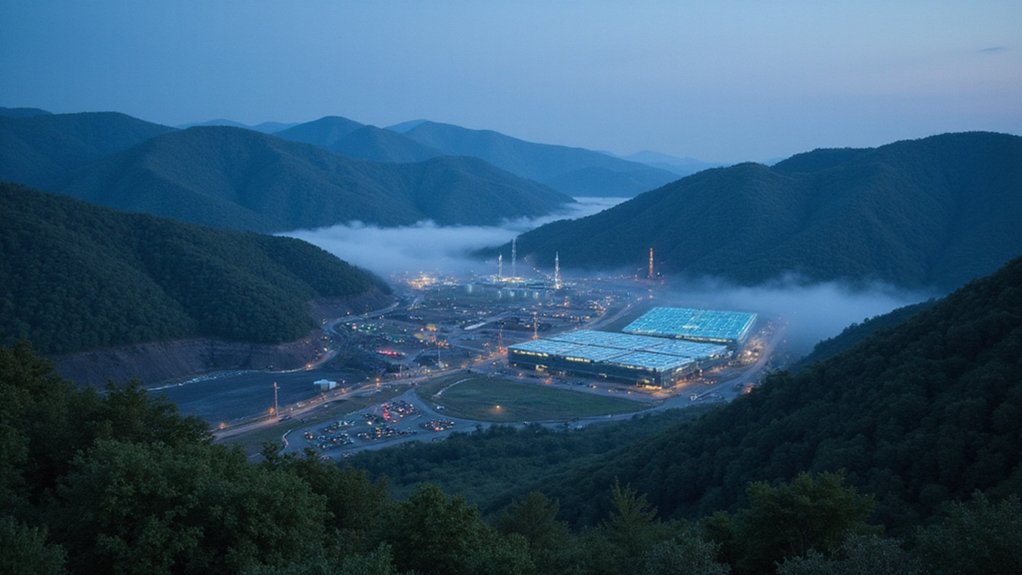
Power lines make perfect spots for this technology. They already stretch through forests and areas where cities meet wildlands. The tall towers give cameras wide views that satellites and regular fire towers can’t always see. Since the infrastructure already exists, companies don’t need to build new structures in remote areas. The 2019-2020 Australian bushfires caused over 280,000 power outages that lasted between one and ten days, highlighting why protecting these transmission lines matters so much.
The AI doesn’t just spot fires. It also predicts where they might start. Machine learning models combine data about power line faults with weather conditions and vegetation dryness. They use satellite images from small spacecraft called CubeSats to create detailed risk maps. These maps update in near real-time, showing utilities and fire departments exactly where danger is highest.
Power companies, fire departments, and government agencies are working together on these systems. They share data and coordinate their response plans. This teamwork helps them protect both power lines and nearby communities more effectively.
The technology’s making a real difference. Faster detection means fewer acres burn and less property gets destroyed. It’s especially important as climate change makes fire seasons longer and more intense. Some areas now need year-round monitoring instead of just summer surveillance.
The AI systems are getting smarter too. Scientists are building databases from fire experiments to improve how the models predict electrical fire risks. State-of-the-art machine learning gives fire managers better tools to understand what’s happening in real-time. These advances are helping protect critical habitats, watersheds, and the infrastructure that communities depend on.
References
- https://esto.nasa.gov/firetech/wildfire-risk-and-powerlines/
- https://www.exci.ai/early-wildfire-detection-safeguarding-power-lines/
- https://stories.xcelenergy.com/stories/using-advanced-technology-to-combat-wildfire-risk
- https://www.lakipower.com/blog/turning-power-lines-into-the-front-line-of-wildfire-detection
- https://flypix.ai/blog/wildfire-detection/