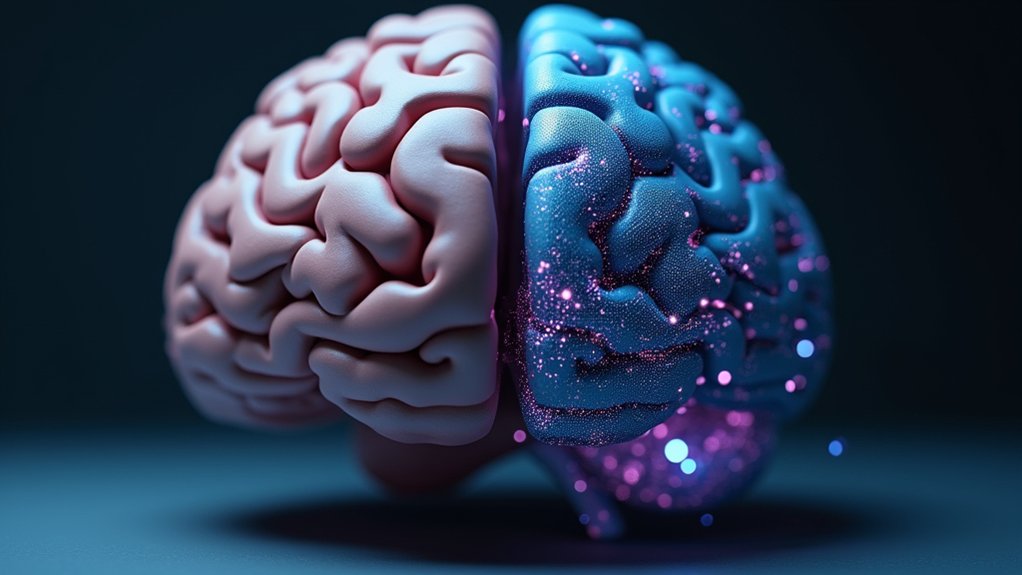

When an AI system explains its decisions, that explanation needs to be honest and accurate. That’s the core idea behind true explainability. It’s not enough for an AI to just show its work. The explanation must reflect what the system actually did to reach its answer.
Experts draw a clear line between interpretability and explainability. Interpretability shows which inputs shaped a model’s decision. Explainability goes further. It explains why a specific output happened. It gives users reasons they can understand and act on.
The National Institute of Standards and Technology, known as NIST, has outlined four key principles for explainable AI. These are explanation, meaningful communication, explanation accuracy, and knowledge limits. Together, they push AI systems to be honest about their reasoning and to stay within the boundaries they were designed for.
Fidelity is a big part of this. It measures how accurately an explanation reflects what a model actually did. A high-fidelity explanation matches the model’s true process. A low-fidelity one can hide bias or mislead users. Anthropic, an AI safety company, has studied this through interpretability research. Their work helps reveal whether a model’s stated reasoning is faithful or just a cover story.
Fidelity determines whether an AI’s explanation reflects reality — or simply tells users what they want to hear.
Faithfulness matters because AI systems can sometimes give explanations that don’t match their actual behavior. For example, a model might claim it reached a result through one process when it actually used another. That’s called an unfaithful explanation. It’s a serious problem for trust.
True explainability also requires that explanations make sense to the people reading them. A technically accurate explanation that no one understands isn’t truly explainable. The goal is to bridge the gap between complex algorithms and everyday users. Techniques such as SHAP and LIME help make model behavior more accessible by translating complex outputs into understandable insights.
Intent ties all of this together. A system’s explanations should reflect the goals and design it was built around. When explanations align with that original intent, users can trust the output. When they don’t, it raises red flags. Researchers have also explored symbolic knowledge injection as a way to guide neural network behavior from the outset, ensuring that model reasoning stays grounded in defined, interpretable rules. This becomes especially critical in healthcare, where AI-powered diagnostic tools are increasingly used to inform treatment decisions that directly affect patient outcomes. That’s why researchers and standards groups say explainability must begin and end with intent. It’s the foundation that holds everything else up.
References
- https://quiq.com/blog/explainability-vs-interpretability/
- https://nvlpubs.nist.gov/nistpubs/ir/2021/nist.ir.8312.pdf
- https://arxiv.org/html/2503.21356v1
- https://en.wikipedia.org/wiki/Explainable_artificial_intelligence
- https://www.anthropic.com/research/tracing-thoughts-language-model
- https://cyber.harvard.edu/story/2018-03/limits-explainability