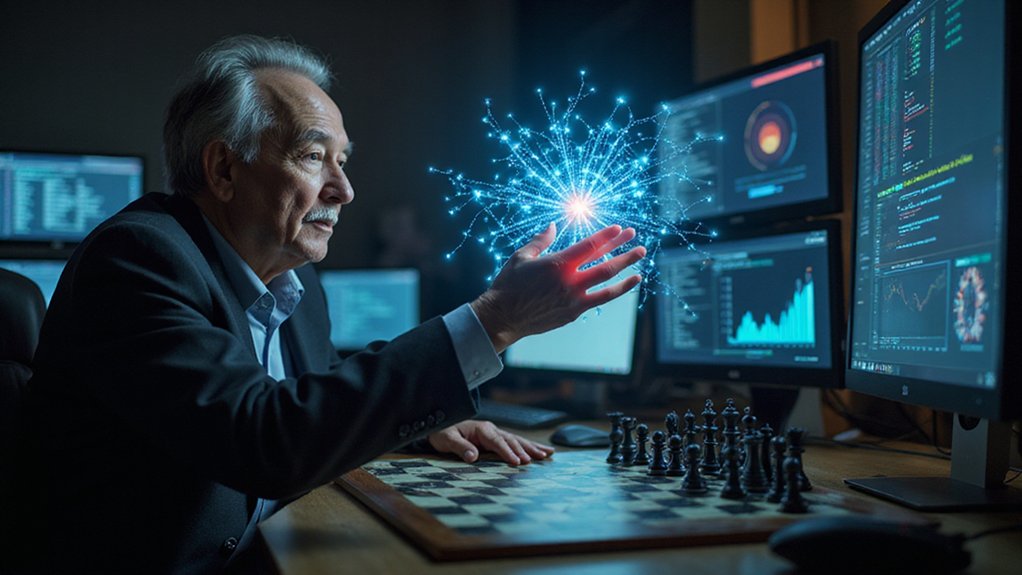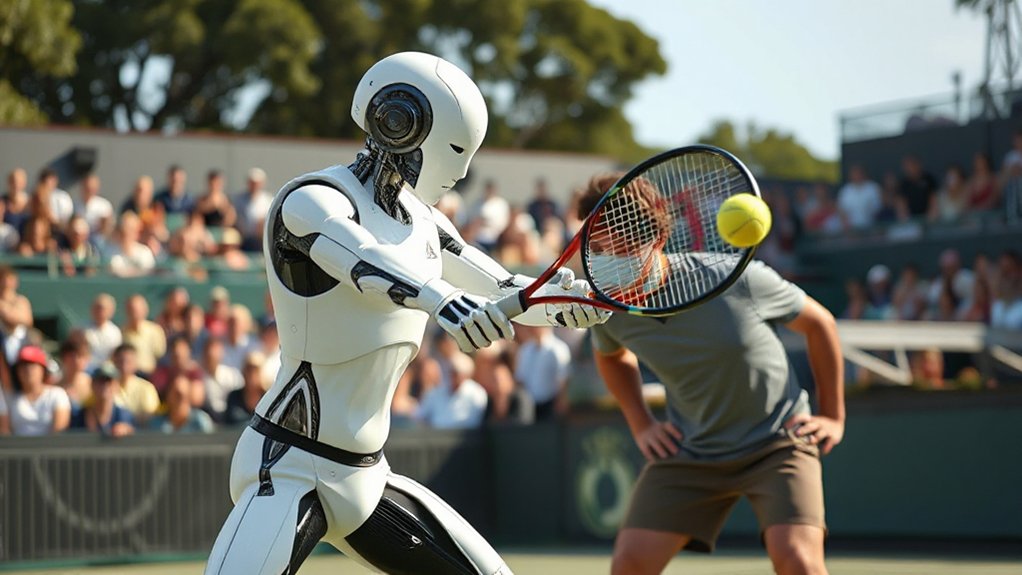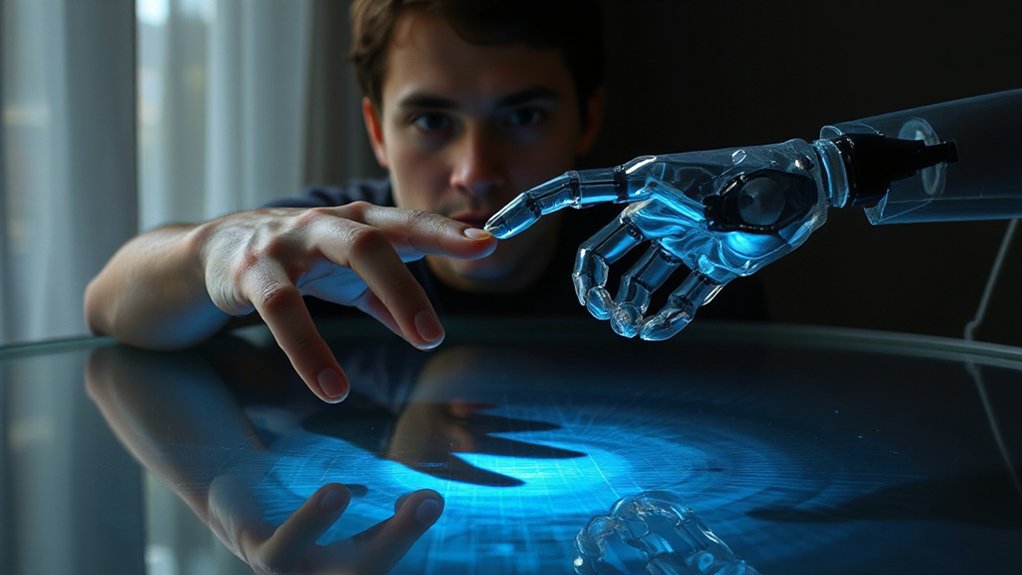

When humans and AI work together, something remarkable can happen — they can outperform what either could do alone. But that’s not always the case. Scientists and researchers are taking a closer look at this partnership to understand when it works and when it doesn’t.
Some tasks show real promise. In bird image classification, human-AI teams reached 90% accuracy. Humans alone scored 81%. AI alone scored 73%. That’s a true win for teamwork. Content creation also shows positive results when humans and AI collaborate.
But other tasks tell a different story. In detecting fake reviews, AI scored 73% accuracy on its own. Human-AI teams only scored 69%. AI also beats human-AI teams in forecasting demand and medical diagnosis. So the partnership isn’t always better.
Researchers are now studying how this collaboration changes over time. A lab called CoIntelligenceLab looks at how human-AI teamwork evolves. It studies how responsibility and expertise shift between humans and machines.
It also builds tools to help communities make better decisions in areas like education, health, and security. In healthcare, for example, AI is already being used for disease detection and prediction, helping identify patient risks before they become critical.
There’s also research on how AI affects teamwork between people. In factory management experiments, AI helped build trust among workers — especially in new teams. Surprisingly, AI actually increased human-to-human interaction, pushing back against fears that it would make workers less social.
Some researchers are pushing for something called “co-improvement.” That’s when humans and AI work together on AI research itself. The idea is that this approach could lead to safer and faster AI development than letting AI improve on its own. A recent paper by researchers Jason Weston and Jakob Foerster argues that co-improvement is a safer and more achievable goal than AI self-improvement alone.
CoIntelligenceLab also applies participatory design methods to engage real-world communities and stakeholders, ensuring that human-AI systems reflect the priorities and knowledge of the people they serve.
Still, there are warnings to keep in mind. Experts say people tend to treat AI like a real person. That can lead to unrealistic fears and expectations. While AI can respond in ways that feel human, most experts say it’s very unlikely that AI is truly conscious or sentient.
Author Ethan Mollick wrote a book called “Co-Intelligence.” He argues the real question isn’t what AI can do. It’s what humans and AI can do together.
And that question, researchers say, is still being answered.
References
- https://arxiv.org/abs/2512.05356
- https://polytechnic.purdue.edu/facilities/co-intelligence-lab
- https://mitsloan.mit.edu/ideas-made-to-matter/when-humans-and-ai-work-best-together-and-when-each-better-alone
- https://business.ku.edu/news/article/human-ai-interactions-stimulate-coordination-between-co-workers-and-improve-team-performance-study-finds
- https://www.learningandthebrain.com/blog/co-intelligence-living-and-working-with-ai-by-ethan-mollick/
- https://knowledge.wharton.upenn.edu/article/co-intelligence-how-to-live-and-work-with-ai/
- https://www.youtube.com/watch?v=Kz1dXcs8zMY
- https://hbr.org/2018/07/collaborative-intelligence-humans-and-ai-are-joining-forces