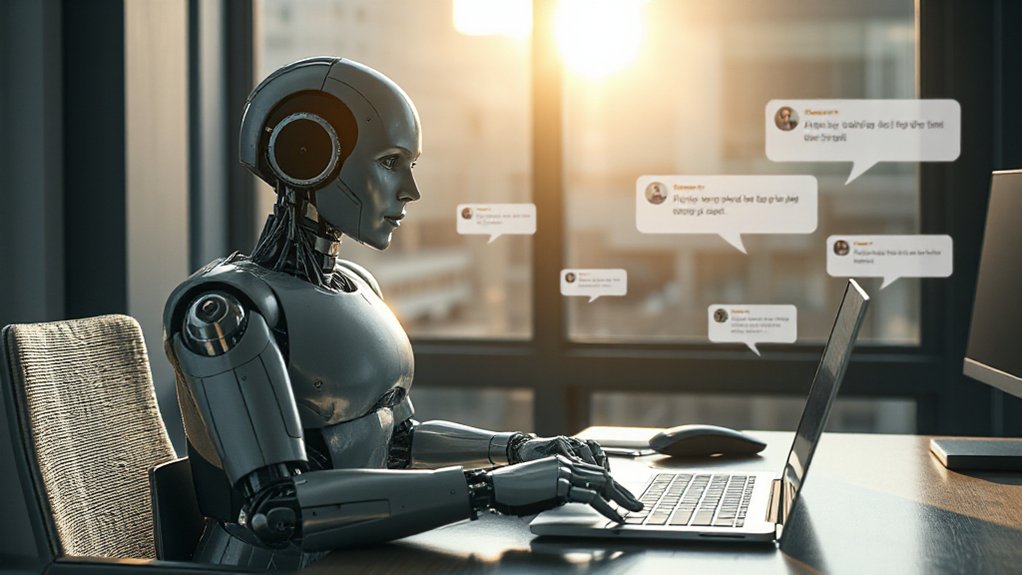

While most internet users picture other humans on the other side of their screens, machines have quietly taken over the web. In 2024, bots accounted for 51% of all web traffic, surpassing humans for the first time in a decade. Current data shows this trend is accelerating, with bots now representing about 52% of global internet activity.
The landscape has shifted dramatically in recent years. Bot traffic grew from 42% to over half of all internet traffic in just three years. This means machines are now the primary visitors to websites worldwide, outnumbering human visitors by approximately three to one.
AI bots in particular are seeing explosive growth. They jumped from just 0.5% of web traffic in early 2025 to 2% by year’s end—a 400% increase. ChatGPT-User, OpenAI’s retrieval bot, now performs five times more scrapes per page than its closest competitor from Meta.
This shift brings serious concerns. Malicious bots now make up 37% of internet traffic, up from 32% in 2023. These bots strain server resources and often ignore standard caching protocols, increasing website hosting costs. According to cybersecurity firm Imperva, the rise is directly connected to advancements in AI technologies making bot creation more accessible.
For publishers, the situation is dire. Referral traffic from AI apps to source sites dropped dramatically, with click-through rates falling from 0.8% to just 0.27% in the second half of 2025. Human web traffic declined by 5% as users increasingly rely on AI summaries instead of visiting original sites. Similar to how Garmin’s new Active Intelligence features transform raw data into actionable insights, these AI bots process website content into digestible summaries that often replace the need to visit source pages. Alarmingly, a significant 13% of AI bot requests completely bypass robots.txt files designed to control crawler access.
The infrastructure impacts are severe. AI bots generate up to 70% of dynamic resource usage on servers. OpenAI’s GPTBot alone grew by 305% in traffic share. This surge affects website performance for actual human users.
As AI tools become more accessible, the trend toward bot dominance will likely continue. The internet is transforming from a human-centered space to a machine-dominated environment where humans are increasingly the minority. This represents a fundamental shift in how the web functions and who—or what—it primarily serves.
References
- https://www.aol.com/bots-now-majority-internet-traffic-101810664.html
- https://www.techbuzz.ai/articles/ai-bots-now-drive-2-of-web-traffic-as-publishers-fight-back
- https://www.theregister.com/2026/02/04/ai_bot_traffic_web_browsers/
- https://journalrecord.com/2026/02/03/ai-driven-bots-are-reshaping-the-cybersecurity-industry/
- https://skynethosting.net/blog/ai-bot-impact-report-in-shared-hosting/
- https://byteiota.com/dead-internet-theory-proven-51-bot-traffic-in-2026/
- https://www.techradar.com/pro/ai-bot-web-traffic-is-closing-in-on-human-usage-experts-warn