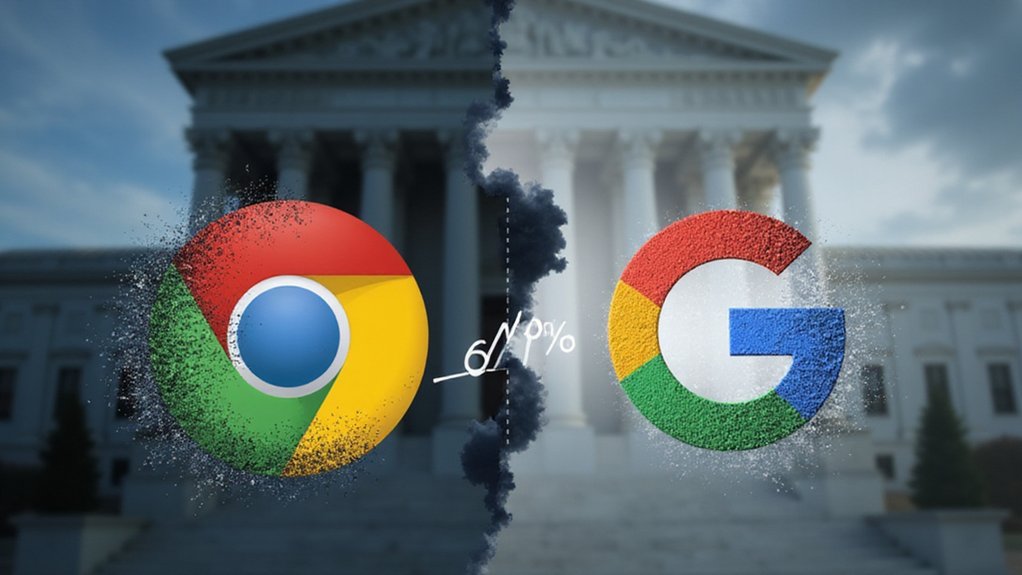

OpenAI has confirmed interest in acquiring Google Chrome if it becomes available through antitrust actions. Following a monopoly ruling against Google, the DOJ is exploring remedies that could include separating Chrome from Google’s ecosystem. With Chrome holding 61% of the U.S. browser market, OpenAI sees an opportunity to integrate AI technology into browsing. Google plans to appeal the ruling while tech competitors position themselves for potential industry shifts. The browser battle may soon transform the digital landscape.
In a surprising twist to the ongoing Google antitrust saga, OpenAI has confirmed interest in acquiring the Chrome browser if Google is forced to sell it. The company’s head of product has openly acknowledged this possibility as the Department of Justice explores potential remedies following Google’s monopoly ruling in the search and advertising markets.
Chrome currently dominates the browser landscape with about 61% of the U.S. market share. This makes it a valuable asset for any tech company looking to expand its reach. The DOJ’s proposed remedies include separating Chrome from Google or forcing the company to open its search index to competitors.
Chrome’s 61% market share makes it a prize in the antitrust battle, with DOJ eyeing potential divestiture.
OpenAI wouldn’t be alone in pursuing Chrome. Other tech companies would likely compete for the browser if it becomes available. This interest comes as OpenAI pushes to move users from traditional browsers toward AI-powered platforms like ChatGPT.
For OpenAI, acquiring Chrome could allow direct integration of its large language models into the browsing experience. Nick Turley specifically stated that an AI-first experience could be exceptional for users. Users might see a seamless blend of Chrome’s familiar interface with ChatGPT’s conversational abilities, creating an “AI-first” browsing experience. The acquisition would provide OpenAI with a vast user base to immediately deploy its AI technology.
Google plans to appeal the antitrust ruling and strongly opposes selling Chrome. The browser is key to Google’s control over search advertising revenue and user data collection. With 92% of leaders planning to increase AI investments over the next three years, Google sees Chrome as essential to its competitive strategy.
The potential sale would greatly reshape the competitive landscape. It could fragment Google’s ecosystem while introducing OpenAI as a major browser competitor. Consumers might gain more choices for AI-driven search and browsing features.
Any acquisition would face regulatory scrutiny, with concerns about whether a new monopoly might form around OpenAI’s growing influence. Privacy and data control would be central to regulatory reviews.
The timeline remains uncertain, as court proceedings continue to determine if Google must divest Chrome. Meanwhile, competitors like Microsoft and Apple will likely accelerate their own AI investments in response to these developments.
References
- https://www.axios.com/2025/04/23/open-ai-google-chrome
- https://www.theregister.com/2025/04/23/openai_chrome_interest/
- https://www.cnet.com/tech/services-and-software/openai-wants-googles-chrome-what-that-might-mean-for-you/
- https://opentools.ai/news/openai-eyes-chrome-a-possible-shake-up-in-the-browser-world
- https://www.businessinsider.com/openai-buy-chrome-google-sell-department-of-justice-antitrust-2025-4