
Why is Mark Zuckerberg promoting AI companions as a solution to loneliness? The Meta CEO recently launched an AI assistant app that remembers user preferences and conversations. He points to a troubling statistic: the average American has fewer than three friends. According to Zuckerberg, people want about 15 meaningful friendships. He suggests AI friends could fill this gap.
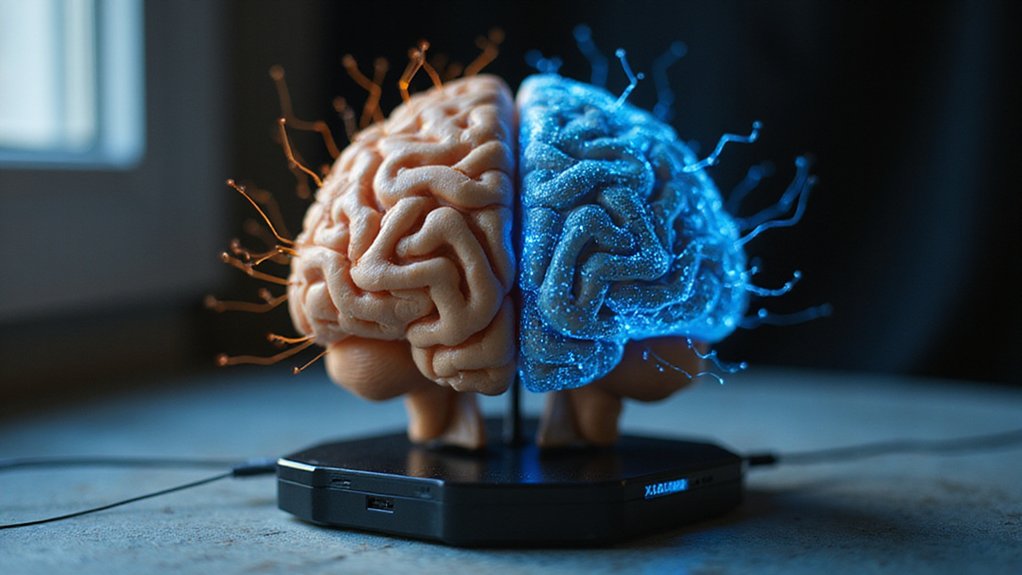
Zuckerberg’s vision: AI companions filling the gap between our three friends and the fifteen we actually need.
Meta’s stated goal is addressing widespread loneliness through technology. The company claims these virtual companions won’t replace human connections but supplement them. They might help socially awkward people practice interactions. The AI remembers context and preferences, creating a more personal experience. Zuckerberg emphasized he remains optimistic about AI companions enhancing rather than diminishing social connections.
Experts have serious concerns about this approach. Daniel Cox warns virtual friends might actually worsen isolation rather than solve it. While AI companions might provide short-term comfort, they could discourage people from seeking real human contact. There’s also worry that relying on AI relationships might hurt the development of authentic social skills. These concerns are amplified by the fact that AI relationships fundamentally lack genuine human emotion. These systems merely mimic emotions, creating a potentially harmful illusion of connection.
Privacy is another major issue. More engagement with AI friends means sharing more personal information. Meta’s privacy policy allows the company to use conversations to train AI models. This creates opportunities for data collection and marketing based on user preferences.
Meta appears to be shifting from connecting real people to promoting AI relationships. This marks a significant departure from the original social network mission. Some critics point out the irony: Meta may have contributed to the very isolation it now claims to solve with AI friends.
A more cynical view suggests this is mostly about keeping users engaged and collecting more data. Meta faces pressure from shareholders to generate revenue, and AI friends provide a new avenue for this.
Experts stress that AI companions should supplement, not replace, real connections. Even Zuckerberg acknowledges there’s currently a “stigma” around friendship with AI. As this technology develops, society will need to balance innovation with protecting authentic human connections.
References
- https://www.trend-mill.com/p/ai-friendships-the-opposite-of-connection
- https://dig.watch/updates/metas-ai-friends-raise-ethical-questions-as-experts-urge-caution
- https://pxlnv.com/blog/meta-ai-television/
- https://ground.news/article/meta-hypes-ai-friends-as-social-medias-future-but-users-want-real-connections
- https://futurism.com/zuckerberg-lonely-friends-create-ai