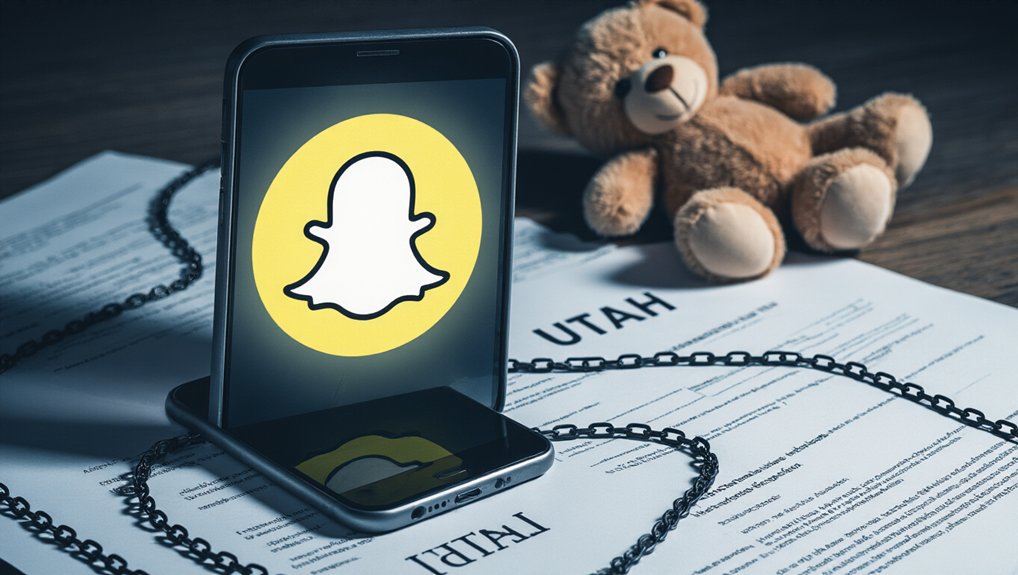

While facing its fourth legal battle from Utah authorities, Snapchat has been hit with serious allegations about its platform design and child safety practices. The lawsuit pulls no punches, claiming the company deliberately crafted features to hook kids and keep them scrolling. Not exactly what parents want to hear about their teenager’s favorite app.
Utah officials aren’t mincing words. They claim Snapchat intentionally built an addictive platform that’s become a playground for drug dealers and sexual predators targeting minors. Let that sink in. The state argues these aren’t accidental flaws but calculated design choices to maximize engagement—and profits.
Utah’s lawsuit paints Snapchat not as flawed but engineered—an addiction machine knowingly designed to profit from children’s vulnerability.
The complaints don’t stop there. Snapchat allegedly fails to properly verify users’ ages, leaving kids vulnerable to online threats. Privacy concerns also feature prominently, with accusations that the platform collects sensitive data, including biometric information, without proper disclosure or consent. Parents can’t opt out. Kids can’t opt out. Nice.
Perhaps most alarming are claims about how the platform allegedly enables contact between minors and predators. Officials point to features they say facilitate illegal drug sales—specifically fentanyl—and the distribution of child pornography. Not exactly the “fun filters” Snapchat advertises in commercials.
Snap Inc.’s response? They’re calling the lawsuit politically motivated—a workaround after previous state legislation got blocked. The company insists safety has been baked into their product “from the start” and that they’re committed to user privacy. The platform’s ephemeral messaging feature is particularly concerning to Utah officials who claim it creates a false sense of security for young users. They’ve even pulled the First Amendment card, suggesting the state’s actions threaten free speech.
This case marks Utah’s fourth major swing at social media giants over child safety concerns, following suits against TikTok and Meta. The state is seeking court-ordered penalties and regulatory relief to force changes to the platform. Test accounts created for minors during the investigation revealed widespread exposure to inappropriate content despite the company’s public promises of protection.
Meanwhile, kids keep snapping, parents keep worrying, and the battle between state regulation and tech platforms rages on. The outcome could reshape how social media companies approach child safety—or not.
References
- https://www.ksl.com/article/51337649/utah-sues-snapchat-for-deceptive-addictive-features-saying-the-app-harms-children
- https://www.techbuzz.news/utah-sues-snapchat-for-unleashing-experimental-ai-technology-on-young-users-while-misrepresenting-the-safety-of-the-platform/
- https://www.axios.com/local/salt-lake-city/2025/06/30/utah-lawsuit-snapchat-youth-safety-children-teens
- https://www.fox13now.com/news/politics/utah-files-lawsuit-against-snapchat-alleging-company-made-app-addictive-for-minors
- https://www.wgcu.org/government-politics/2025-05-30/snapchat-snaps-back-on-suit-alleging-it-violated-state-law