
Thunder rumbles in Memphis, but it’s not from the sky—it’s from the massive Colossus Behemoth supercomputer. Built by Elon Musk’s xAI in just 122 days, this giant machine is changing the AI landscape. It was originally built in a former Electrolux factory in South Memphis and launched in September 2024.
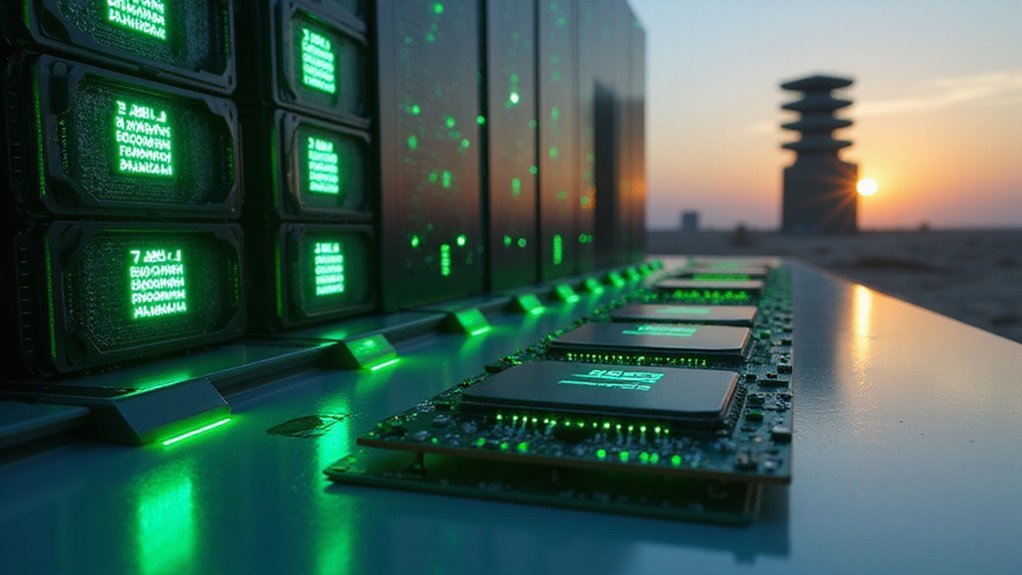
The supercomputer currently holds 100,000 Nvidia H100 GPUs, with plans to add 50,000 more H200 GPUs. This will bring the total to 200,000 chips, with a long-term goal of reaching 1 million chips across all facilities. The system can process 194 petabytes per second with 3.6 terabits per second throughput.
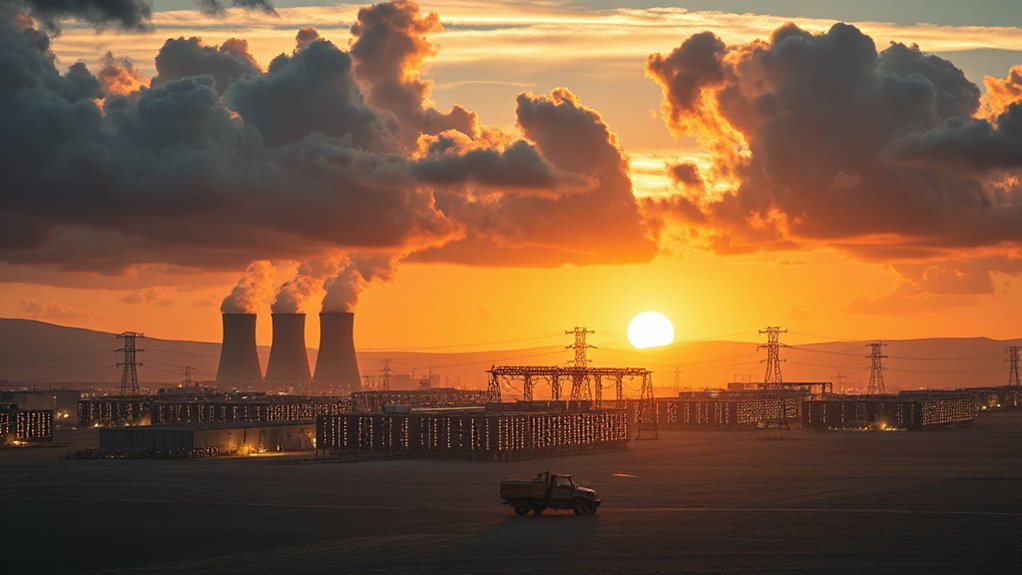
Expansion is happening fast. A third facility was announced in December 2025 in Southaven, Mississippi. Colossus 2 is now under construction. When complete, the system will use nearly 2 gigawatts of power—enough electricity to run about 1.5 million American homes.
Colossus expands relentlessly, with a third facility coming to Mississippi as power demands approach city-sized proportions.
This massive power consumption is causing concern. The facility creates strain on Memphis’s infrastructure and produces air pollution from cooling turbines. The energy demands of keeping thousands of GPUs running creates both technical and environmental challenges. Descendants of local coal miners may face power shortages during high-demand periods as Colossus draws significant electricity from the grid. The newest expansion, MACROHARDRR facility, is strategically positioned adjacent to Colossus 2 to optimize resource sharing. Training this single AI system could consume as much electricity as a small nation, adding to global carbon emissions.
The main job of Colossus is to develop AI technologies, especially training Musk’s Grok chatbot. Grok 4 is now claimed to be the world’s most intelligent model, featuring tool use and real-time search. The system can run jobs with over 150,000 GPUs at 99% uptime.
Owned and operated by Musk’s xAI venture, the project represents his push for AI dominance. By taking control of construction, Musk finished the project 20 months ahead of schedule. The company claims Colossus is now the world’s largest and most powerful AI supercomputer.
As it competes with Meta and Microsoft in the computing power race, Colossus may speed up AI development in healthcare, transportation, and other areas. Its unprecedented scale and speed set it apart from competitors in the industry.
References
- https://resource-erectors.com/elon-musk-unleashes-colossus-ai-in-memphis/
- https://www.webpronews.com/elon-musks-xai-doubles-colossus-supercomputer-to-2gw-in-memphis/
- https://x.ai/colossus
- https://www.climateandcapitalmedia.com/musk-mugs-memphis-again-with-xais-colossus-2-data-center/
- https://www.techrepublic.com/article/news-elon-musk-colossus-expansion/