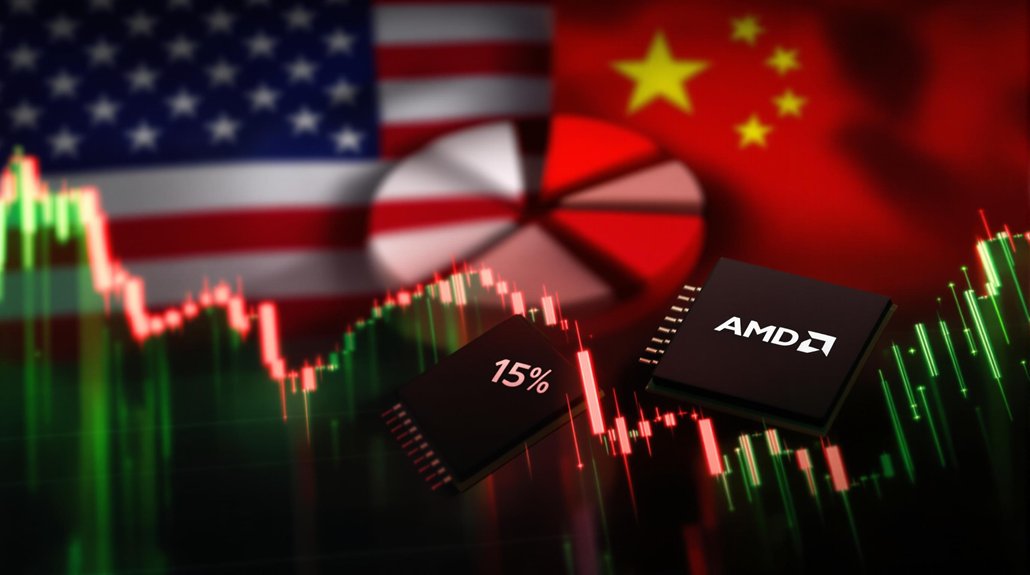

The numbers tell a troubling story. Nvidia’s stock trades at nearly 60 times its earnings, while Palantir Technologies sells for over 600 times what it makes. These sky-high prices remind analysts of past market bubbles that eventually burst. While a handful of AI stocks drove market gains this year, most other companies have struggled.
Companies aren’t seeing the profits they expected from AI investments. A new MIT study found that 95% of businesses haven’t made any money from their AI projects, even though they’ve spent between $30 billion and $40 billion on the technology. Out of 300 AI programs at major companies, most have stalled without helping profits. The problems include poor planning, workers struggling to adapt, and money being spent in the wrong places. About 65% of AI teams lack the necessary tech infrastructure for successful implementation, like trying to build advanced applications on weak foundations.
The gap between spending and results keeps growing. Big Tech companies plan to spend more than $360 billion on AI next year, but they’re not making much money from it yet. This disconnect worries investors. When news broke that DeepSeek used older, cheaper computer chips instead of the latest models, it shook confidence in the AI story even more.
Making matters worse, the economy remains uncertain. The Federal Reserve hasn’t decided whether to raise or lower interest rates. Inflation stays high at 2.7%, and people aren’t spending as much. These problems make AI stocks even riskier. Even OpenAI CEO Sam Altman has warned about overexcitement in the AI market, adding to investor concerns. Despite the market turbulence, healthcare organizations are projected to increase AI adoption significantly, with the healthcare AI market expected to grow from $11 billion to $187 billion by 2030.
The market’s recent gains have come from just a few big AI companies, not broad strength across different businesses. Investors are now moving money into safer bets, including smaller companies and different sectors. They’re protecting themselves against losses as doubts grow about whether AI companies can deliver on their promises. What once looked like a sure bet now seems much less certain.
References
- http://markets.chroniclejournal.com/chroniclejournal/article/marketminute-2025-8-22-big-tech-and-ai-stocks-navigating-volatility-amidst-valuation-concerns
- https://fortune.com/2025/08/20/experts-say-markets-ai-anxiety-will-punish-those-chasing-froth/
- https://www.techrepublic.com/article/news-ai-bubble-fading-market-impact/
- https://www.investoradvisoryservice.com/About/Blog/Can-Earnings-Sustain-the-Rally-in-the-Midst-of-AI-Euphoria-and-Economic-Realities/6049
- https://www.ainvest.com/news/navigating-fed-tightrope-data-driven-policy-shapes-market-opportunities-2025-2508/