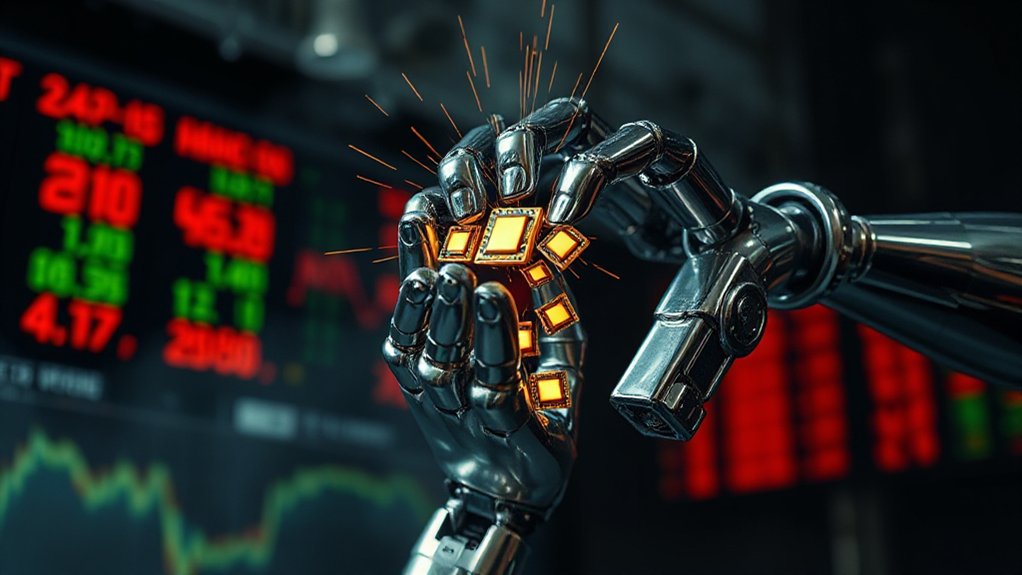
Artificial intelligence is changing the world fast — but is that a good thing? Experts say it’s both promising and risky. AI is transforming industries by automating tasks and helping people make smarter decisions using data. It can solve complex problems faster and at a bigger scale than humans ever could.
One major area where AI shows promise is mental health care. During crises, there aren’t enough therapists to help everyone. AI could offer therapy-like support to millions of people at once. In education, AI has huge potential too. But there’s a catch — if students use it as a shortcut, they might not actually learn. Real learning requires real engagement with the material.
AI also comes with serious risks. It can create disinformation, spread false information, and generate harmful content like computer viruses. It can reinforce biases already present in society. Some scientists even debate whether AI poses existential risks to humanity. Many AI systems are also “black boxes” — meaning nobody fully understands how they reach their conclusions.
On a societal level, AI’s impact on jobs and daily life is still unclear. It’s changing how people work, read, and write. Children are growing up in a world where AI shapes their learning in new ways. Some experts worry about device addiction and the erosion of basic skills like reading and writing.
Governments are struggling to keep up. The U.S. lacks strong regulations around AI technology. Political divisions are making it harder to have serious conversations about how to manage it responsibly. Experts say ethical frameworks are urgently needed. In the legal field, courts have begun imposing sanctions on attorneys who submitted AI-generated fake citations without verification, highlighting the urgent need for human oversight in high-stakes professional settings.
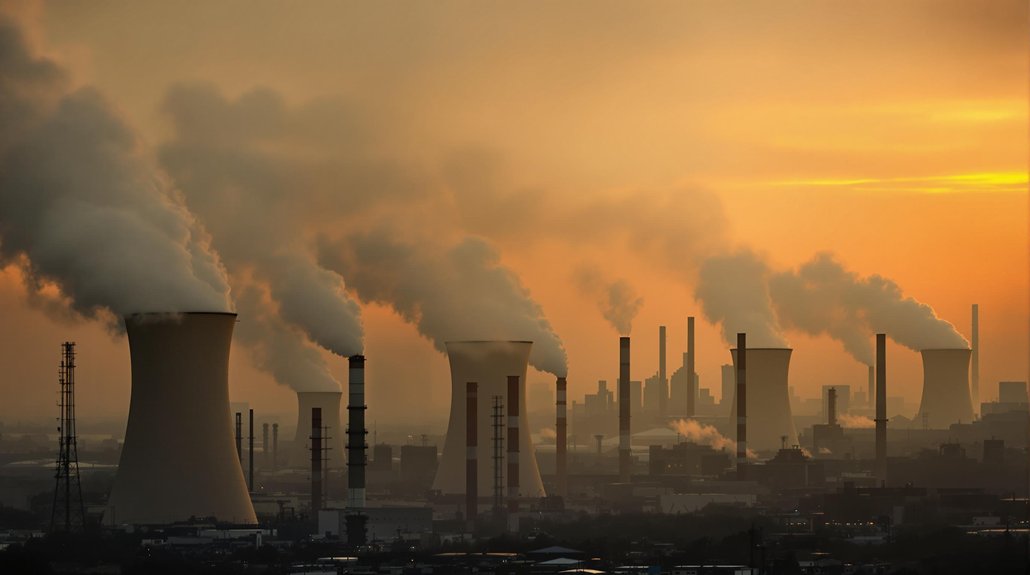
Globally, AI holds both promise and risk, especially for developing nations in the Global South. It could help address climate change and other big challenges. But it requires teamwork across many fields to make sure the benefits are shared widely. AI is also being applied to climate monitoring and environmental conservation efforts to help tackle some of the world’s most pressing environmental challenges.
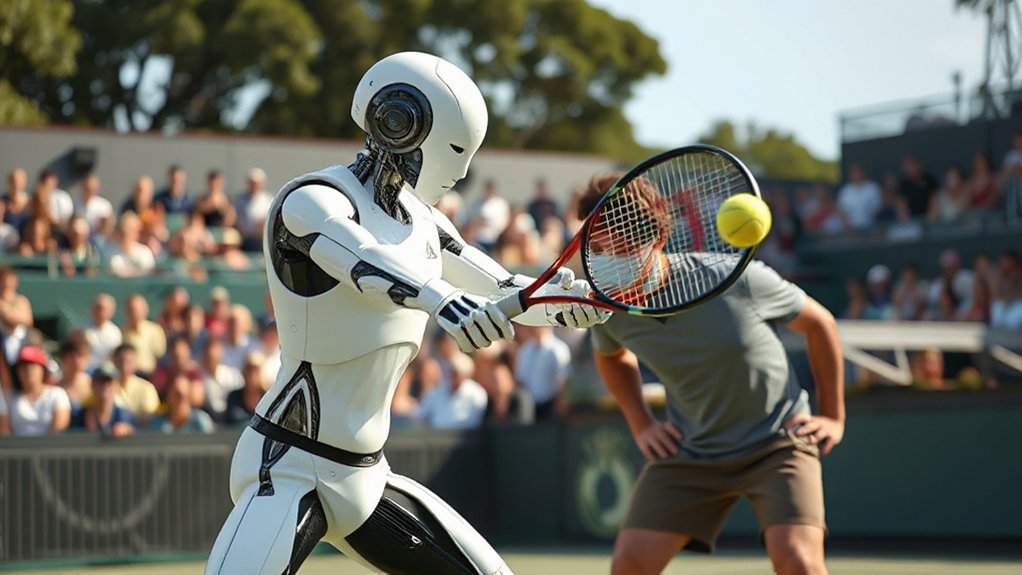
The bottom line is that society’s adapting to a technology it doesn’t fully understand yet. Experts see the future as one of human-machine collaboration — not competition. A recent faculty panel highlighted that AI carries risks across three key areas: “off-label” harms, unintended limitations, and broader social disruptions. But steering that future responsibly remains an open and urgent question.
References
- https://www.esquaredmagazine.com/ai-promise-or-peril/
- https://www.hks.harvard.edu/faculty-research/policy-topics/science-technology-data/does-artificial-intelligence-hold-promise-or
- https://viterbischool.usc.edu/news/2025/11/ais-promise-and-peril-usc-experts-navigate-the-breakneck-pace-of-artificial-intelligence/
- https://www.cia.gov/resources/csi/static/643e18ba5bf779749a14059019db53b2/Article-The-Promise-and-Peril-of-Artificial-Intelligence-Studies-68-1-March-2024.pdf
- https://ideas.repec.org/a/afj/journ4/v10y2025i6p3.html
- https://www.youtube.com/watch?v=O0tbK62b_Mo
- https://www.gsb.stanford.edu/insights/how-survive-artificial-intelligence-revolution