
When OpenAI quietly rolled out a feature letting users make their ChatGPT conversations searchable on Google, it took exactly three days for the whole thing to blow up in their faces. The company yanked the feature faster than you can say “privacy violation” after thousands of anonymized ChatGPT conversations ended up indexed by Google. Some contained sensitive details. People freaked out. Media pounced. Welcome to the AI wars.
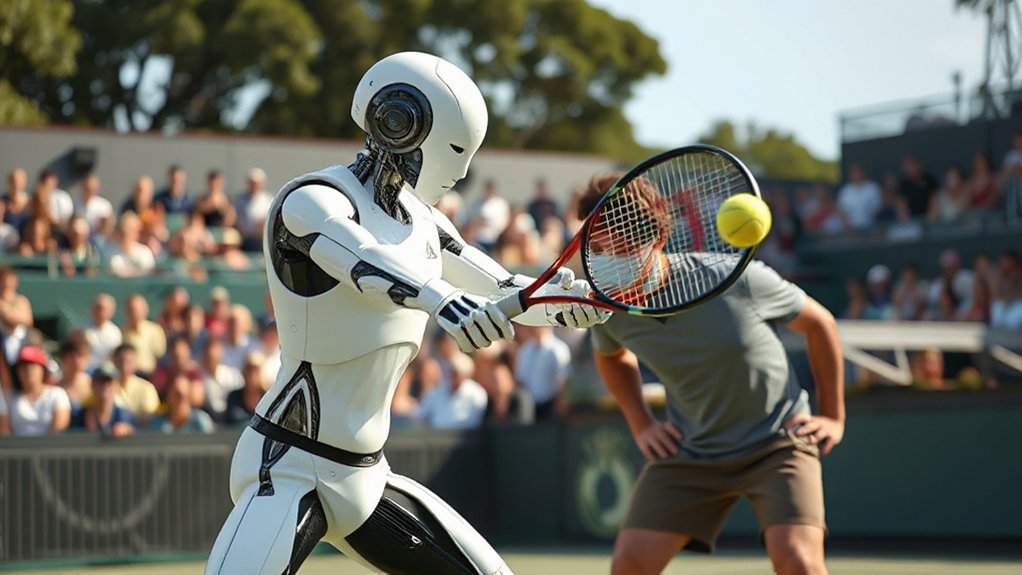
The whole mess perfectly captures the chaos of today’s AI competition. Google and OpenAI are locked in a brutal fight for market dominance, throwing features at the wall to see what sticks. Sometimes nothing sticks. Sometimes it sticks and then explodes. This was definitely the exploding kind.
OpenAI’s quick reversal wasn’t just about privacy concerns, though those were real enough. The company blocked Google from indexing ChatGPT shared links entirely. Can’t have the competition crawling through your conversation data, right? It’s like letting your rival peek at your playbook. Not happening. Dane Stuckey, OpenAI’s chief information security officer, made the announcement that sent a clear message about where the company’s priorities lie.
Competition crawling through your conversation data is like letting rivals peek at your playbook. Not happening.
Privacy advocates had a field day. Digital rights organizations jumped in. Regulatory bodies started paying attention. Even with user opt-in requirements, experts pointed out the obvious: people overshare. They misunderstand permissions. They click “yes” without reading. Then their therapy session ends up in search results. Some users had unknowingly shared deeply personal experiences about mental health struggles and harassment that ended up searchable online.
The incident shows just how messy this AI race has become. Companies are moving so fast they’re tripping over their own feet. OpenAI called it a “short-lived experiment.” That’s corporate speak for “we screwed up.” The feature lasted days, not weeks or months. Days.
What’s striking is how quickly public pressure forced the change. User trust matters, apparently. Who knew? The backlash was swift, loud, and impossible to ignore. Media scrutiny accelerated everything. One minute you’re innovating, the next you’re apologizing.
This won’t be the last time an AI company face-plants while sprinting toward dominance. The tension between innovation and privacy isn’t going away. Without proper oversight, AI systems risk perpetuating unfair treatment through automated workplace monitoring and discipline. Neither is the cutthroat competition for market share. OpenAI and Google will keep circling each other, launching features, pulling features, blocking access, demanding access.
The AI wars are just getting started.
References
- https://www.businessinsider.com/openai-removes-chatgpt-feature-over-search-engine-privacy-concerns-2025-7
- https://dig.watch/updates/openai-pulls-searchable-chats-from-chatgpt
- https://www.engadget.com/ai/openai-is-removing-chatgpt-conversations-from-google-194735704.html
- https://community.openai.com/t/my-chatgpt-plus-subscription-via-google-play-has-not-been-activated/1088833
- https://coincentral.com/openai-to-scrub-chatgpt-conversations-from-google-after-privacy-backlash/