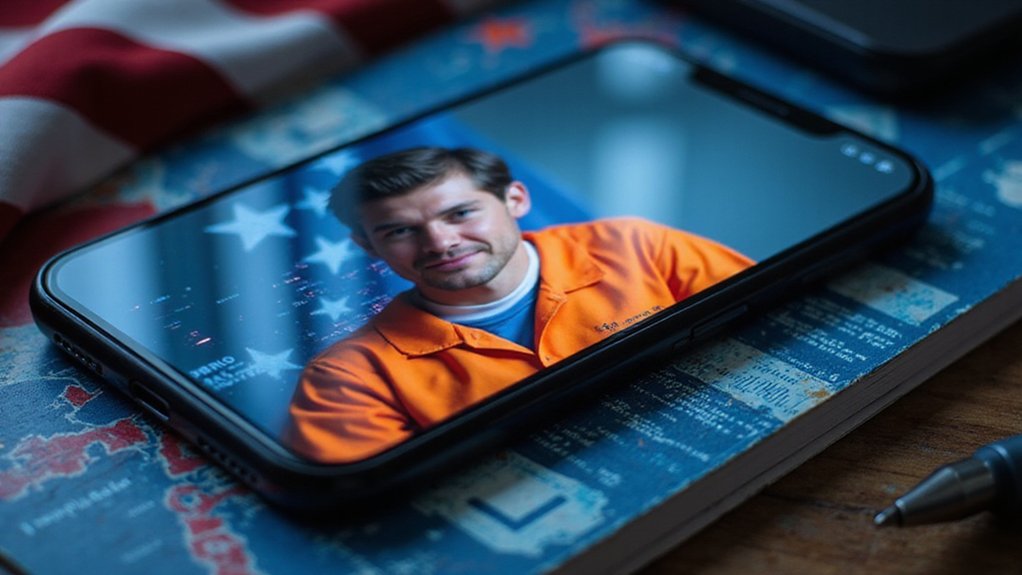

President Donald Trump ignited a firestorm of controversy after sharing an AI-generated deepfake video depicting Barack Obama in handcuffs on his Truth Social platform. The July 20, 2025 post featured the realistic-looking but entirely fabricated scene of Obama being arrested by FBI agents inside the Oval Office. No disclaimer or indication that the content was AI-generated accompanied the post.
The video begins with a montage of Democratic leaders, including Obama and Biden, repeating the phrase “no one is above the law” before cutting to the fake arrest scene. A smiling AI-Trump watches as the former president is handcuffed. The finale? Obama in an orange jumpsuit behind bars, all set to the Village People’s “YMCA.” Creative? Sure. Problematic? Absolutely.
Critics immediately condemned the video as dangerous and inflammatory, warning it could fuel misinformation and further erode public trust in media. Meanwhile, Trump supporters celebrated the content as political commentary. Talk about a divided reaction.
The timing raised eyebrows, coming shortly after Director of National Intelligence Tulsi Gabbard accused Obama’s team of fabricating the Trump-Russia narrative. Political commentator Nick Sortor even went as far as calling for making the fictional arrest scenario a reality. Gabbard claimed to have “striking” evidence she planned to submit for review. The deepfake conveniently amplified these unverified allegations while Obama has remained silent on both matters. Trump’s actions continue his long-standing claims of being victimized by political witch hunts throughout his career.
Originally created for TikTok, the video went viral across multiple platforms. It features bizarre elements like a clown version of Pepe the Frog honking its nose mockingly alongside highly realistic AI-generated footage of a fabricated Trump-Obama meeting. The incident illustrates the ethical implications of AI outputs that blur boundaries between artistic expression and dangerous disinformation.
The incident represents a significant escalation in the use of deepfake technology in mainstream political strategy. It’s spotlighting regulatory gaps for AI-generated media in politics and raising serious questions about ethical responsibility for high-profile social media users.
Deepfakes in politics: where technology outpaces regulation and ethics struggle to keep up.
As deepfakes become increasingly sophisticated, the line between fact and fiction grows blurrier. This case highlights the challenges in distinguishing authentic content from manipulation, especially during politically charged periods. America’s polarization just got a digital upgrade.
References
- https://www.youtube.com/watch?v=M_25h2hHScY
- https://timesofindia.indiatimes.com/world/us/no-one-is-above-the-law-trump-shares-ai-video-showing-obama-being-arrested-ex-president-seen-behind-jail-bars/articleshow/122804367.cms
- https://www.news18.com/world/donald-trump-shares-ai-video-showing-fbi-arresting-barack-obama-inside-oval-office-ws-l-9452512.html
- https://economictimes.com/news/international/global-trends/obama-on-knees-handcuffed-in-jail-trump-posts-ai-video-of-obama-after-tulsi-gabbards-claims-of-treasonous-plot/articleshow/122804911.cms
- https://www.youtube.com/watch?v=uH2w6N_r0pI