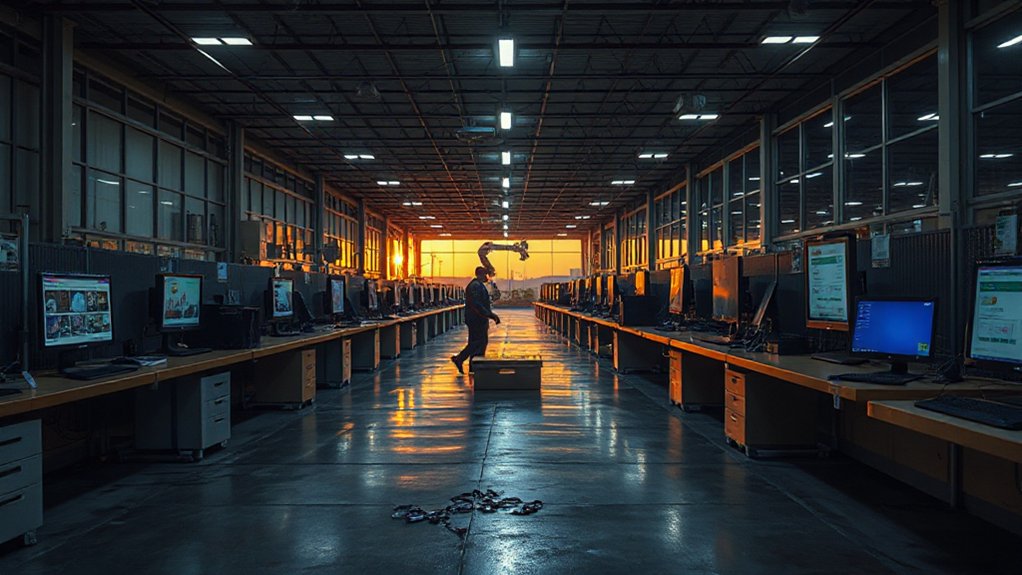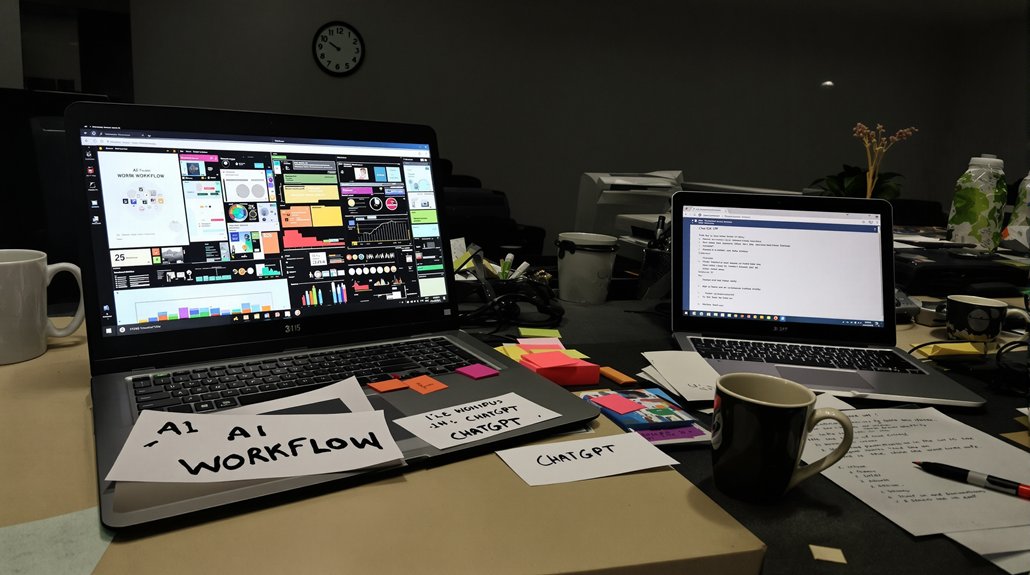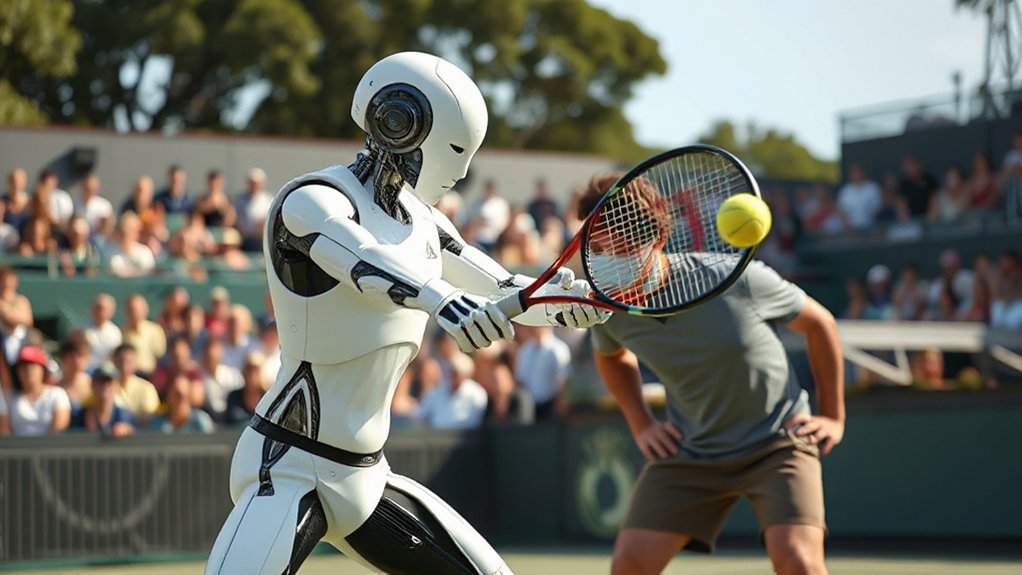

Sam Altman, the creator of ChatGPT, has sounded the alarm on the future of work. The tech leader predicts AI could replace up to 40% of jobs globally by 2030. While AI currently handles just 1% of tasks performed by humans, this number is expected to grow rapidly in the coming years.
Routine customer support jobs are among the most vulnerable to AI displacement. These roles face automation as AI systems can now provide faster, more consistent responses 24/7 without breaks or human limitations. Companies are already shifting toward AI-powered chatbots for basic customer interactions. Despite this trend, a 2025 survey reveals that 81% of customers still prefer human interaction, though this preference may decline as AI technology improves.
Customer service jobs stand first in line for AI replacement, as chatbots deliver tireless 24/7 support without human limitations.
Project management positions are also at risk. AI systems are becoming better at strategic planning and execution, potentially disrupting these roles as they take over scheduling, resource allocation, and progress tracking tasks that humans traditionally manage. Recent projections suggest AI will replace 300 million full-time jobs globally across various industries.
Software development, once thought safe from automation, now faces disruption too. AI systems increasingly write code independently, threatening traditional programming jobs as they master more complex development tasks.
Content creation roles, including traditional media and influencer jobs, are changing due to generative AI. These technologies can now produce articles, videos, and creative works that once required human talent. Altman claims that OpenAI’s newest models are already smarter than humans in many creative domains.
However, not all careers face immediate risk. Nursing and roles demanding empathy remain secure for now because AI struggles to replicate emotional intelligence. Jobs requiring complex problem-solving, physical dexterity in unpredictable environments, and ethical decision-making are also more resistant to full automation.
AI typically begins by automating specific tasks within jobs rather than eliminating entire professions immediately. This gradual approach redefines human roles toward supervision and creativity while machines handle routine work.
As AI capabilities advance toward Artificial General Intelligence (AGI), the pace of job transformation will likely accelerate. Experts suggest focusing on developing skills that complement AI rather than compete with it, as the technology continues to reshape industries and create new types of work alongside the disruption.
References
- https://economictimes.com/magazines/panache/sam-altman-reveals-the-one-job-chatgpt-cant-touch-for-software-developer-jobs-his-forecast-is-not-what-you-think/articleshow/123899138.cms
- https://www.ndtv.com/world-news/gpt-5-smarter-than-me-sam-altman-warns-ai-could-replace-40-per-cent-jobs-by-2030-9362761
- https://fortune.com/2025/09/26/sam-altman-openai-ceo-superintelligence-technology/
- https://www.parriva.com/smallbusiness/sam-altman-predicts-ai-will-reshape-media-and-end-traditional-creative-jobs/
- https://www.dagens.com/technology/3-jobs-ai-will-replace-soon-according-to-the-creator-of-chatgpt
- https://www.techradar.com/pro/worried-about-ai-taking-your-job-dont-worry-sam-altman-says-some-disappearing-roles-were-never-real-work-to-begin-with
- https://www.youtube.com/watch?v=hmtuvNfytjM
- https://www.tomshardware.com/tech-industry/sam-altman-says-ai-could-eliminate-jobs-that-arent-real-work
- https://aimagazine.com/news/why-is-openai-ceo-sam-altman-eyeing-a-career-in-farming