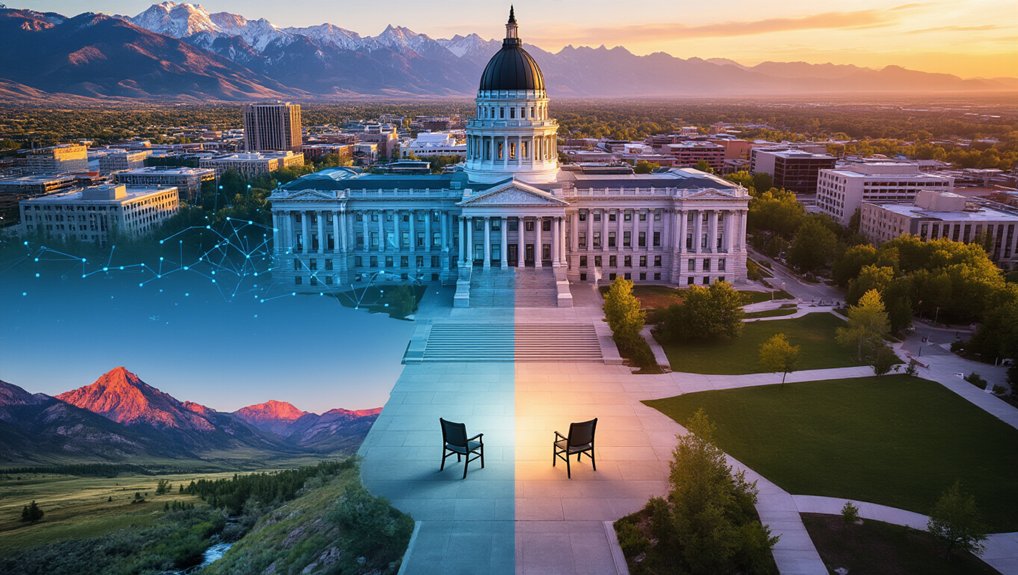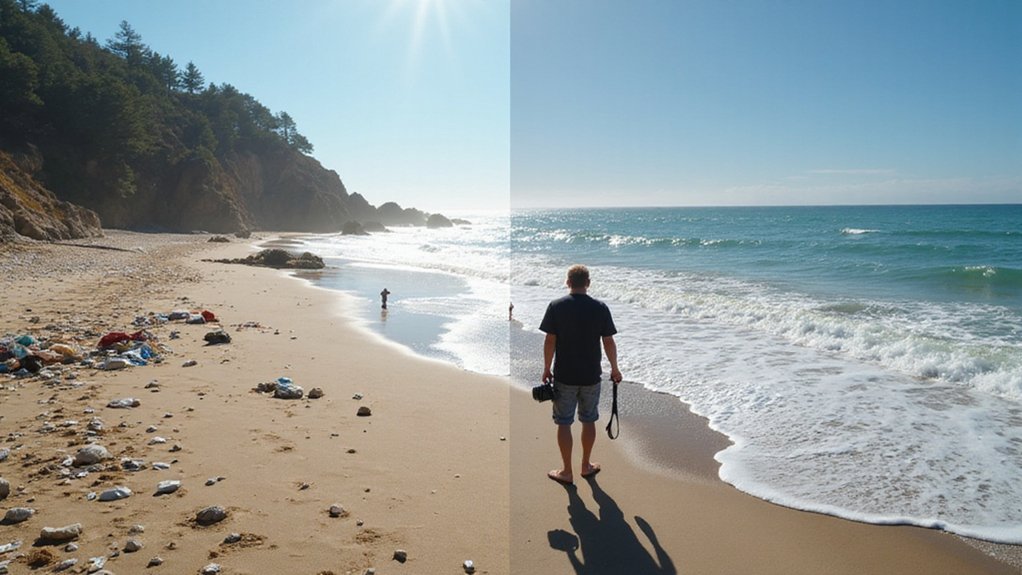
Apple’s Photo Clean Up feature represents the latest evolution in image manipulation, making complex edits accessible to everyday users. While photographers have always altered images—from Ansel Adams’ darkroom techniques to Photoshop—today’s AI tools operate instantly at unprecedented scale. This democratization raises serious questions about photographic truth, as news organizations struggle to maintain credibility standards in an era where millions can remove objects from photos with a single tap. The line between authentic documentation and creative expression continues to blur.
Digital image manipulation has transformed how we create and interact with visual content in today’s world. From early techniques like darkroom retouching to today’s AI-powered tools, the ability to alter photographs has evolved dramatically. Apple’s recent “Photo Clean Up” feature represents the latest advancement, allowing users to remove unwanted objects from images with a simple tap.
This technology builds on a long history of photo manipulation. Photographers like Ansel Adams used darkroom techniques such as burning and dodging to enhance their images. These manual methods required skill and time. Today’s digital tools make complex edits accessible to anyone with a smartphone.
Apple’s feature joins other common manipulation techniques like cropping, color correction, and cloning. These tools help photographers remove distractions, enhance colors, and improve composition. What once took hours in a darkroom now happens in seconds through automated processes.
The widespread use of these technologies raises important questions about photographic truth. When any image can be altered easily, can we trust what we see? News organizations and photo competitions often create strict guidelines about acceptable edits to maintain credibility.
The concern isn’t new, but the technology’s accessibility is. When manipulation required expensive equipment and technical skill, altered images were less common. Now, millions can make sophisticated edits instantly.
This democratization of photo manipulation has practical applications. People can restore old family photos, improve product images, or create artistic compositions. Effective restoration techniques can breathe new life into damaged photos for future generations. However, it also contributes to issues like unrealistic beauty standards and potential misinformation. The prevalence of highly polished images across media platforms demonstrates how image manipulation has become essential in modern visual communication.
Detection technologies are struggling to keep pace with manipulation advances. AI-generated and altered images become more convincing each year, making it harder to distinguish real from fake.
As these tools become more powerful and widespread, society faces the challenge of redefining photographic truth. Perhaps the question isn’t whether Apple’s feature has killed photographic truth, but whether our understanding of visual media must evolve in an era where every image can be seamlessly altered.
References
- https://cloudinary.com/guides/image-effects/image-manipulation-history-concepts-and-a-complete-guide
- https://www.clippingpathcampus.com/what-is-image-manipulation/
- https://en.wikipedia.org/wiki/Photograph_manipulation
- https://www.fearlessphotographers.com/blog/333/examples
- https://www.youtube.com/watch?v=E8EakX0fMnc