
Why are teens fighting back against the digital world that’s supposed to connect them? The answer lies in alarming new data showing how online spaces have become increasingly toxic for young people. In 2023, over one in four US teens experienced cyberbullying in the past month, up from 23.2% in 2021. Almost 20% of teens now stay home from school because of online harassment, nearly double the rate from 2016.
The problem extends beyond bullying. A staggering 80% of Gen Z faced at least one online risk in 2024, including scams and people lying about their identity. Nearly 60% of young people reported interacting with someone who wasn’t who they claimed to be online. These deceptive encounters have become routine parts of youth digital experiences. The anonymity factor in cyberbullying makes these attacks feel particularly threatening to victims who can’t identify their tormentors.
Teens aren’t staying silent about these dangers. Gen Z activists are organizing protests, writing campaigns, and demanding change from tech companies and politicians. They’re frustrated that 74% of teens believe social media platforms do a poor job addressing cyberbullying. More than half of students now describe cyberbullying as a “big problem” at their school. The situation is particularly severe for vulnerable populations, with LGBTQ students experiencing twice the risk of cyberbullying compared to their heterosexual peers. AI-powered deepfakes have made the problem worse by creating false identities that spread misinformation targeting young users.
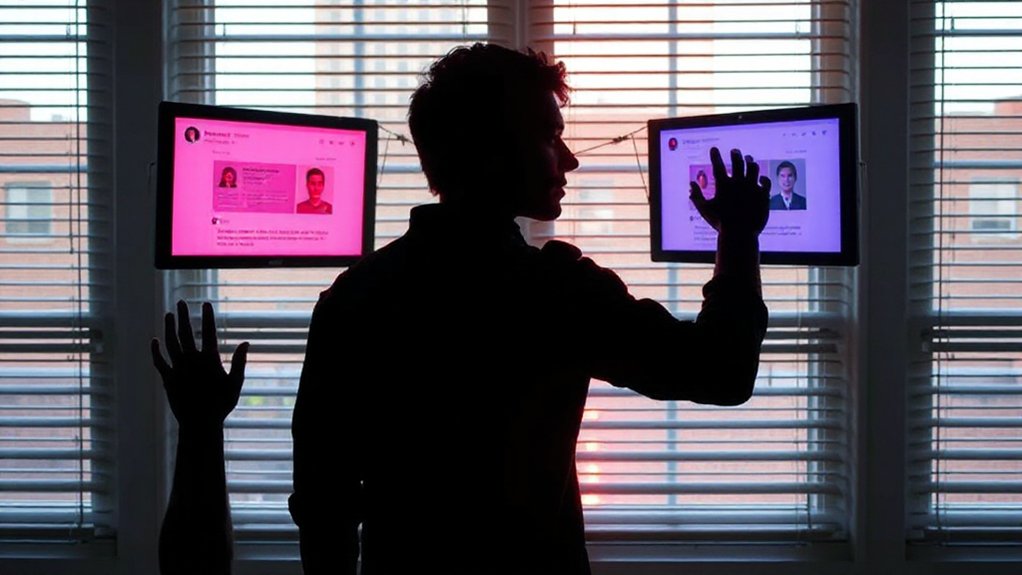
Gen Z activists demand change as 74% say platforms fail to address cyberbullying effectively.
This youth rebellion has gone global. Young people worldwide are coordinating efforts to push for safer online environments. They’re focusing on three main areas: policy changes, holding platforms accountable, and reforming digital education. Digital well-being has become central to youth activism, replacing older social causes.
The movement is changing behavior too. Many teens are withdrawing from certain platforms or limiting their usage. They’re expressing growing negative feelings toward mainstream social media sites. Parents are responding by checking in more often with their kids about online experiences, though teens often feel adults don’t fully understand modern digital threats.
Schools and communities are launching new digital literacy programs. However, the Digital Well-Being Index for youth only rose to 63 in 2025 from 62 previously, showing minimal improvement. As online risks grow faster than solutions, young people aren’t waiting for adults to fix the problem. They’re taking matters into their own hands, rejecting the toxic aspects of their digital world.
References
- https://www.security.org/resources/cyberbullying-facts-statistics/
- https://www.brightpathbh.com/teenage-cyberbullying-statistics/
- https://actforyouth.org/adolescence/demographics/internet.cfm?pf=1
- https://www.afterbabel.com/p/the-youth-rebellion-is-growing
- https://values.snap.com/news/safer-internet-day-2025