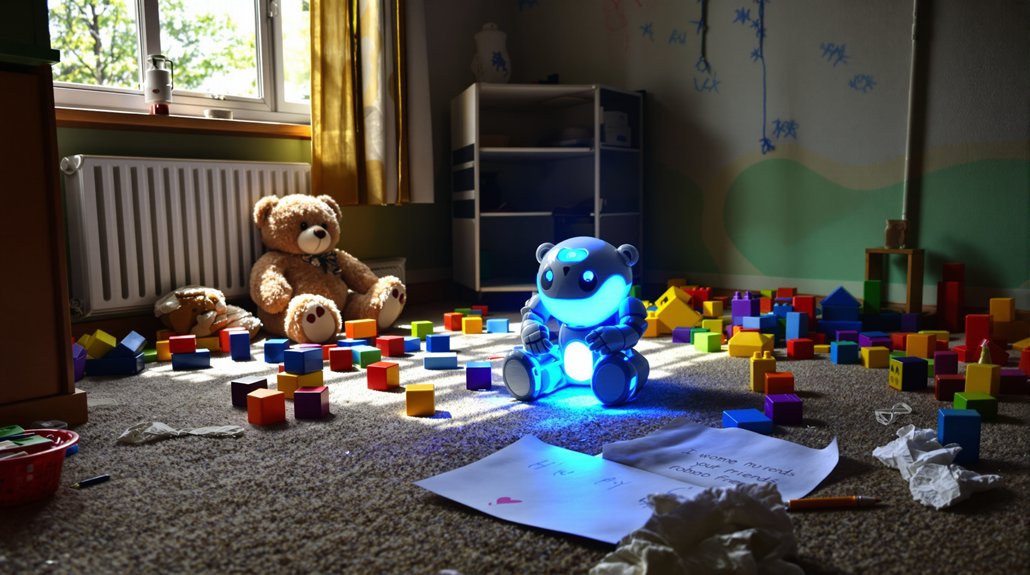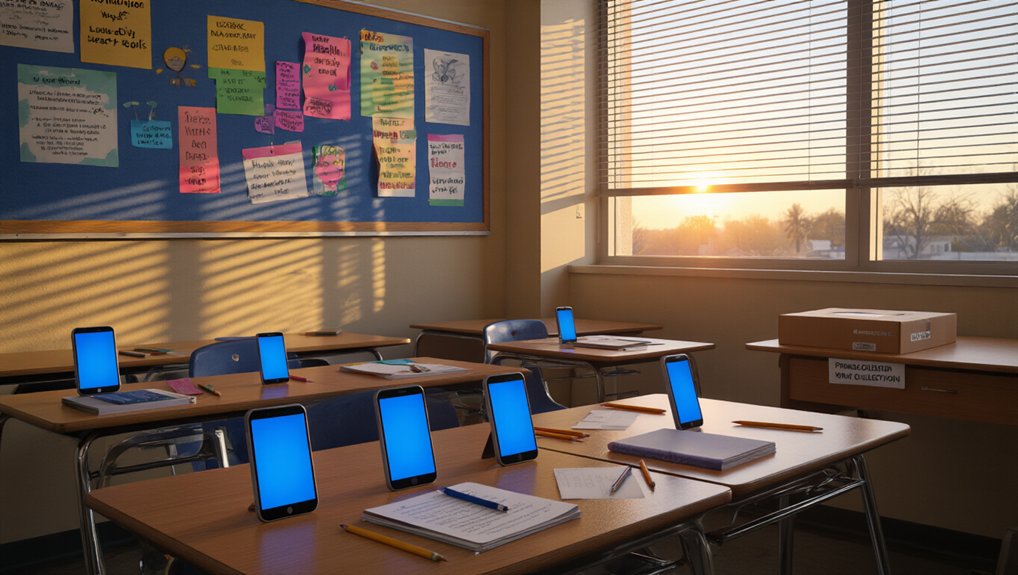

While parents fret over screen time and tech giants pump out increasingly addictive apps, a disturbing reality has quietly unfolded in bedrooms across America. One in four children now sleep with smartphones literally in their beds. The consequence? They’re losing nearly an hour of precious sleep compared to peers who keep devices elsewhere. Not exactly rocket science.
The numbers paint a stark picture. Smartphone ownership among teens has more than doubled in just six years, with 89% of American youth aged 13-17 now owning these devices. Meanwhile, 70% use social media multiple times daily, and a third are practically glued to their screens “almost constantly.” Like digital zombies with perfect selfie angles.
Educators across the country are raising red flags. The math is simple and troubling: adolescents spending three or more hours daily on social media face double the risk of mental health problems like anxiety and depression. Nearly half of teens admit social media makes them feel worse about themselves. Go figure.
The mechanisms behind this mental health crisis aren’t mysterious. Smartphones provide 24/7 access to cyberbullying, content that normalizes self-harm, and endless opportunities for soul-crushing social comparisons. AI-powered content increasingly plays a role in deepfake technology and misinformation that can further damage vulnerable teens’ self-image. Kids see highlight reels and think they’re documentaries.
But it’s not all doom and gloom. Some research suggests smartphone ownership might actually correlate with lower self-reported depression symptoms for certain users. These kids often spend more time with friends in-person and join more extracurricular activities. Context matters.
Sleep, however, remains non-negotiable. Children sleeping with phones in bed average 8.6 hours of sleep versus 9.3 hours for those who don’t. That missing 42 minutes accumulates quickly, with cascading effects on mental health.
As holiday shopping season approaches, educators are pleading with parents to reflect on the full impact of smartphone gifts. The issue isn’t necessarily ownership but how these devices are used and regulated. Research from the Life in Media Survey shows nearly 60% of children experienced cyberbullying in the past three months. Adolescents are particularly vulnerable due to their brain development during puberty, making them more susceptible to social media’s influence. Keep them out of bedrooms. Set boundaries. Remember when we used to talk to each other? Those were good times.
References
- https://pmc.ncbi.nlm.nih.gov/articles/PMC7012622/
- https://www.bostonmagazine.com/education/2024/08/27/truth-about-kids-and-smartphones/
- https://www.stpetersburg.usf.edu/news/2025/results-from-usf-study-on-kids-digital-media-use-reveal-benefits-of-smartphones.aspx
- https://pmc.ncbi.nlm.nih.gov/articles/PMC11850730/
- https://www.columbiapsychiatry.org/research/research-areas/child-and-adolescent-psychiatry/sultan-lab-mental-health-informatics/research-areas/smartphones-social-media-and-their-impact-mental-health