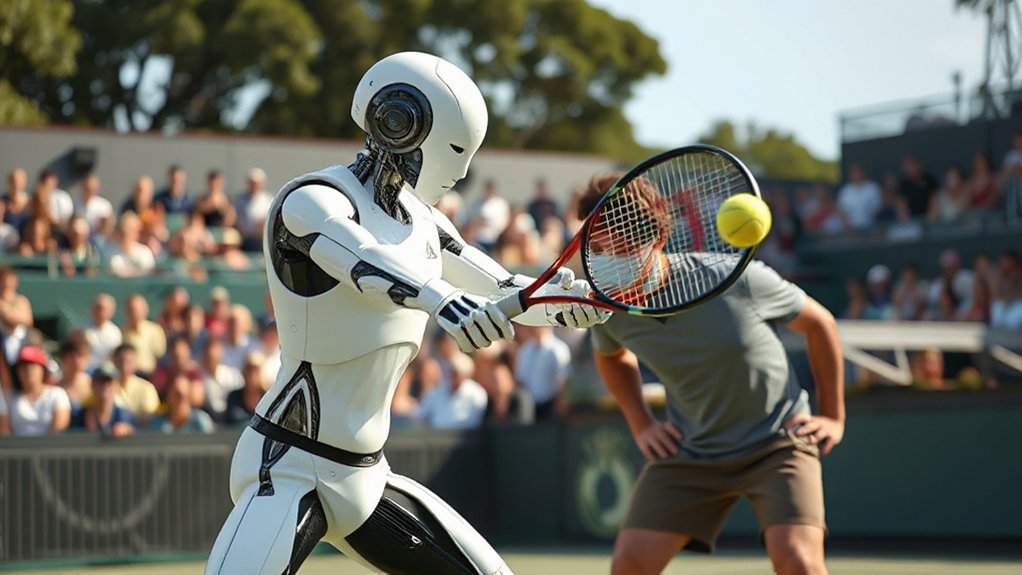

While Meta executives tout their AI transformation as the future of social media, they’re quietly handing over the keys to machines that now control up to 90% of product risk assessments on Facebook and Instagram. The robots are running the show, folks, and Mark Zuckerberg couldn’t be happier about it.
Meta’s internal AI systems now influence everything from coding to ad targeting to user safety evaluations. The company claims enforcement mistakes dropped by 50% since releasing their army of algorithms. Great. But what about the stuff these digital overlords miss? Nobody’s talking about that.
AI runs 90% of Meta’s operations while enforcement mistakes supposedly dropped 50%—but what about everything these algorithms miss?
The content moderation game has changed completely. Facebook’s AI uses natural language processing to hunt for hate speech and bullying while computer vision tools scan for violence and nudity. These systems learn continuously, getting smarter—or at least different—with each passing day. This reliance on AI moderation creates dangerous echo chamber effects that limit exposure to diverse viewpoints and hinder critical thinking. They’re scanning and filtering content before users even hit the report button. Proactive censorship at its finest.
Here’s where it gets spicy. Meta raised confidence thresholds for automated takedowns, meaning the AI needs stronger evidence before nuking your post. They’ve also killed off many content demotion practices. Translation: they’re letting more borderline stuff slide while being pickier about what gets the axe. Political content now gets shown based on “user signals.” Whatever that means. The company is even testing AI large language models to provide second opinions on content before enforcement actions are taken.
The numbers tell an interesting story. Automated detection of bullying and harassment dropped 12% in early 2025. Meta spins this as fewer violations happening. Critics worry it means harmful content is slipping through the cracks. Many violating posts only get deleted after they’ve already done their damage. Meanwhile, the company will deactivate automated systems if they underperform, forcing recalibration.
Meta publishes transparency reports, sure. They brag about their 50% reduction in enforcement mistakes and detail their confidence thresholds and appeal processes. But experts aren’t buying it. They warn about the AI’s inability to catch nuanced threats or emerging manipulation tactics.
CEO statements reveal the endgame: AI managing Meta’s entire code base and making operational decisions, including integrity reviews. Human oversight remains for “high-risk cases,” but the trend is crystal clear. The machines are taking over, and Meta’s betting everything on it.
References
- https://www.socialdiscoveryinsights.com/2025/06/02/meta-shifts-toward-ai-automated-oversight-across-facebook-and-instagram/
- https://about.fb.com/news/2025/01/meta-more-speech-fewer-mistakes/
- https://techxplore.com/news/2025-05-facebook-content-moderation-late.html
- https://www.audiencly.com/blog/meta-shifting-gears-2025
- https://www.neowork.com/insights/how-does-facebook-moderate-content