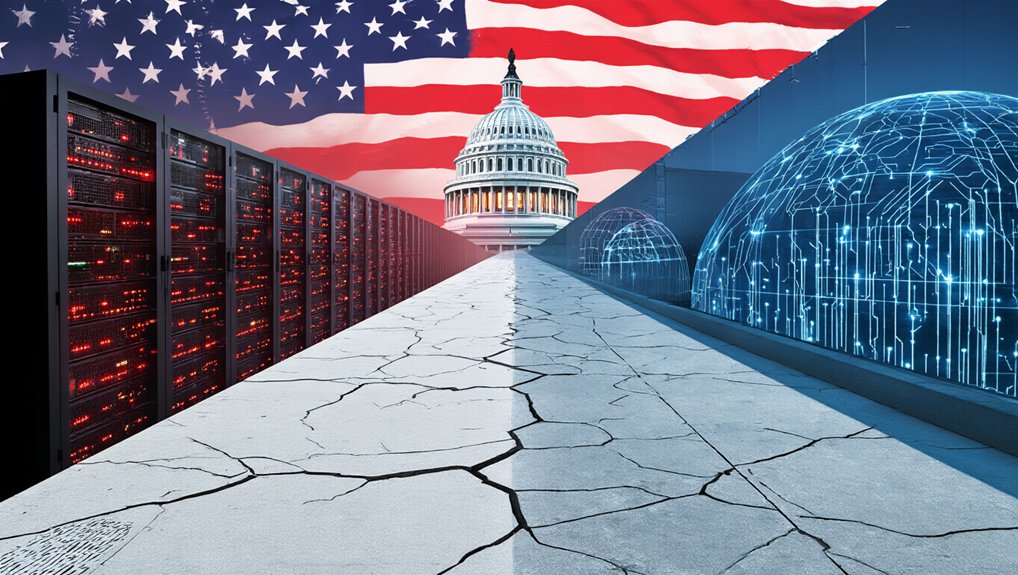

In a stunning rebuke to tech giants, the Senate has virtually unanimously crushed an attempt to freeze state-level AI regulation for the next decade. The 99-1 vote removed a provision that would have blocked states from enacting AI laws until 2035, a move that Big Tech companies were salivating over. So much for that plan.
Amazon, Google, Microsoft, and Meta pushed hard for this moratorium. They claimed multiple state regulations would hurt innovation and create compliance nightmares. But lawmakers weren’t buying it. They called the move what it actually was—a brazen power grab designed to cement industry dominance and dodge accountability. Classic corporate playbook.
The moratorium had snuck into the House version of Trump’s budget bill, targeting a freeze until 2035. Smaller tech companies would have faced impossible choices: navigate varying state regulations or get crushed by giants who could afford compliance teams. The big firms would win either way. The proposal represented a strategic maneuver to reinforce Big Tech’s dominance in the AI landscape.
States like Texas, Florida, and Utah weren’t having it. They’ve already taken steps to protect children online and enforce data privacy rules where federal action has stalled. State leaders insisted on their right to regulate AI within their borders. The resistance crossed party lines completely—conservatives and progressives both saying “hell no” to Big Tech’s demands.
Senator Marsha Blackburn tabled the amendment to kill the moratorium, securing rare bipartisan support in today’s divided Congress. The Senate’s decisive action took place during an overnight July 1 session, marking a significant defeat for the tech industry. Even compromise proposals for a shorter five-year pause failed spectacularly.
The U.S. has fallen behind international peers on AI regulation. While China and the EU have implemented targeted rules including mandatory labeling, America has only White House guidelines with no unified national policy. This vacuum is precisely why states have stepped up. With AI expected to contribute global economic value of $15.7 trillion by 2030, the stakes for proper regulation couldn’t be higher.
For now, tech giants must face the reality that states will continue regulating AI impacts on their citizens. The days of corporate-friendly regulatory vacuums are over. States will keep fighting to protect their regulatory authority—and they just won a major battle.
References
- https://time.com/7299044/senators-reject-10-year-ban-on-state-level-ai-regulation-in-blow-to-big-tech/
- https://www.ainvest.com/news/regulatory-freeze-power-grab-big-tech-ai-moratorium-playbook-investment-implications-2506/
- https://www.cimplifi.com/resources/the-updated-state-of-ai-regulations-for-2025/
- https://www.heritage.org/big-tech/commentary/federal-ai-power-grab-could-end-state-protections-kids-and-workers
- https://www.whitehouse.gov/articles/2025/04/white-house-releases-new-policies-on-federal-agency-ai-use-and-procurement/