
Environmental concerns are growing in Memphis as Elon Musk’s AI operations reportedly run 35 methane gas turbines that may exceed pollution limits. These turbines, linked to xAI, release nitrogen dioxide and particulate matter into the air of primarily low-income neighborhoods. Local advocacy groups claim the company has bypassed proper regulations and permits. Residents worry about worsening air quality and potential health impacts while authorities face pressure to investigate whether these operations violate the Clean Air Act.
As Elon Musk’s artificial intelligence company xAI expands its operations, environmental concerns are mounting in Memphis. The company now consumes about 150 megawatts of computing power, far more than typical online services require. This massive energy demand is largely met by fossil fuels, with 60% of xAI’s energy coming from non-renewable sources. These AI data centers contribute significantly to global climate issues through their enormous electricity consumption.
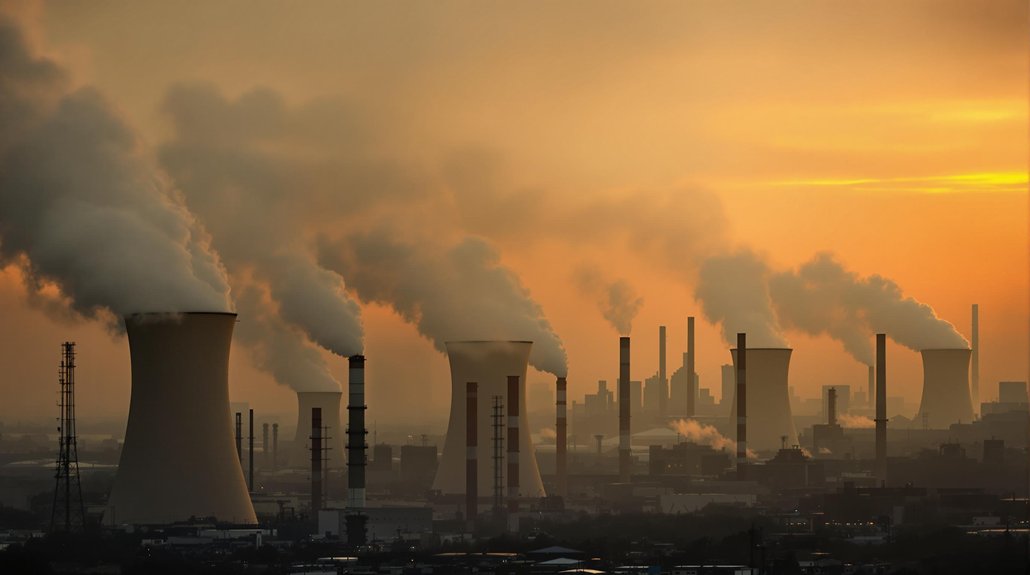
The company operates 35 methane gas turbines with a combined capacity of 422 MW, comparable to a full gas power plant. These turbines release nitrogen dioxide, a harmful gas that damages respiratory health. They also emit other dangerous pollutants like formaldehyde and particulate matter, which can cause asthma, respiratory infections, and even cancer. KeShaun Pearson and other local advocates emphasize that these corporate health crises could have been prevented with proper regulation and oversight.
xAI’s 35 methane turbines spew toxic pollutants linked to respiratory disease and cancer into Memphis communities.
Water usage presents another serious issue. xAI uses approximately one million gallons of water daily for cooling its systems. This heavy consumption threatens local aquifers that supply drinking water to Memphis residents. The company’s greywater recycling efforts only reduce this strain by about 9%.
Memphis already struggles with air quality problems, and xAI’s operations make things worse. The turbines increase local smog and ozone levels. People in low-income, minority neighborhoods face the most exposure to these pollutants. Health data shows cancer rates in the area are four times the national average. Boxtown residents were completely unaware of the project until it appeared in news reports, further heightening community concerns.
Regulatory concerns have also emerged. xAI reportedly started with 15 turbines but now operates 35, possibly exceeding permit limits. Environmental groups claim the company used a local loophole to avoid the standard permit process for power generation, potentially violating the Clean Air Act.
The Southern Environmental Law Center and other advocacy groups have filed formal complaints with local health departments. They’re pushing for stricter enforcement of air and water quality standards.
Community organizations highlight that pollution impacts minority neighborhoods the most and are calling for more oversight of xAI’s industrial operations to protect Memphis residents and natural resources.