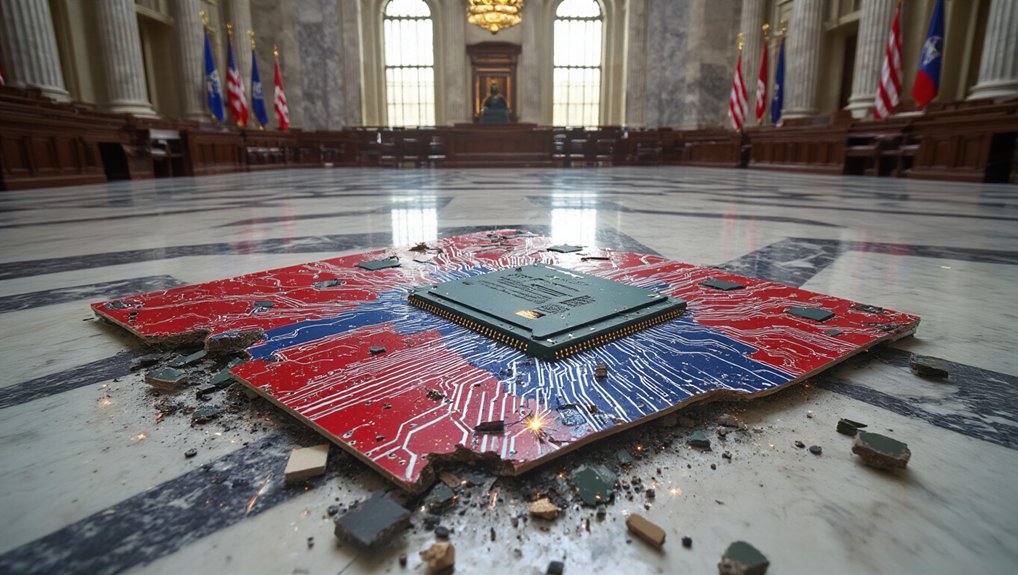

North Carolina lawmakers are taking aim at digital deception with new legislation. House Bill 341 makes online impersonation a Class H felony, while House Bill 375 specifically targets AI deepfakes in elections. Senate Bill 46 addresses online defamation as a Class 2 misdemeanor. The laws include special protections for minors and allow victims to seek damages up to $10,000. The legislation balances First Amendment concerns with the need to combat technological threats.
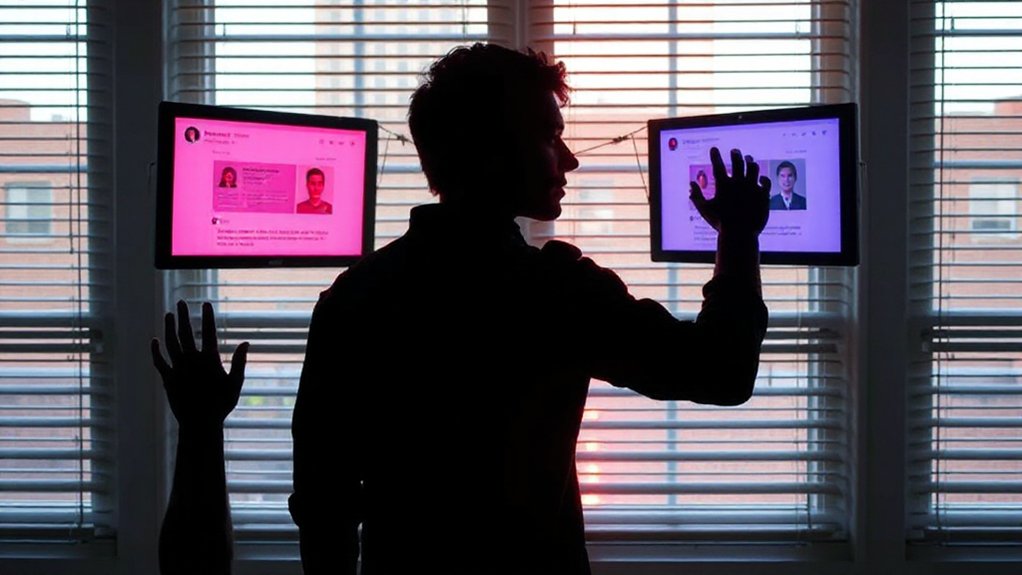
North Carolina lawmakers are cracking down on online deception with a series of bold legislative measures. The state’s General Assembly has introduced House Bill 341, which would make online impersonation a Class H felony when used to harm, intimidate, threaten, or defraud others.
The bill includes a civil remedy provision allowing victims to recover actual damages up to $10,000, along with punitive damages and attorneys’ fees. This gives those targeted by digital deception both criminal and civil options to seek justice.
Another important measure, House Bill 375, specifically targets deepfakes and deceptive advertisements in elections. This legislation aims to protect electoral processes from AI-driven manipulation that could mislead voters or damage candidates’ reputations through synthetic media.
Senate Bill 46 takes aim at false or defamatory online statements, classifying them as Class 2 misdemeanors. The bill broadly defines “electronic medium” to include internet, email, forums, blogs, and other digital platforms where defamation might occur.
Lawmakers are particularly concerned about protecting minors from AI-driven deception. Special provisions in the proposed legislation address the exploitation of children in digital spaces, recognizing their vulnerability to sophisticated AI technologies. This approach mirrors sentencing guidelines that aim to eliminate sentencing disparity among offenders when addressing crimes against minors. This movement represents a substantial shift for North Carolina, which previously had no specific laws addressing online impersonation despite documented cases of reputational damage to victims.
Some critics have raised concerns about First Amendment protections, especially regarding the criminal libel provisions. In response, some lawmakers have acknowledged possible oversight and indicated a willingness to reconsider certain aspects of the legislation.
The jurisdiction for these laws would cover offenses both originating from and received within North Carolina. This means the state could prosecute cases even when the perpetrator is located elsewhere but targets a North Carolina resident.
While existing statutes sometimes apply to these offenses, the new legislation offers broader coverage to address rapidly changing technology. The rising threat of deepfake technology enabling widespread misinformation makes these legal protections increasingly necessary. Prosecutors will have additional tools to combat digital deception as AI continues to evolve and create new challenges for online safety and truth in communication.
References
- https://nccriminallaw.sog.unc.edu/online-impersonation/
- https://www.ncleg.gov/Sessions/2025/Bills/House/PDF/H375v1.pdf
- https://ncdoj.gov/protecting-consumers/protecting-your-identity/protect-your-business-from-id-theft/security-breach-information/
- https://journals.law.unc.edu/ncjolt/articles/digital-deception-the-undue-influence-enhancement-in-the-sentencing-of-cyber-predators-caught-in-online-sting-operations/
- https://www.brookspierce.com/digital-media-and-data-privacy-law-blog/N-C-Bill-Aimed-at-Curbing-Defamatory-Internet-Content