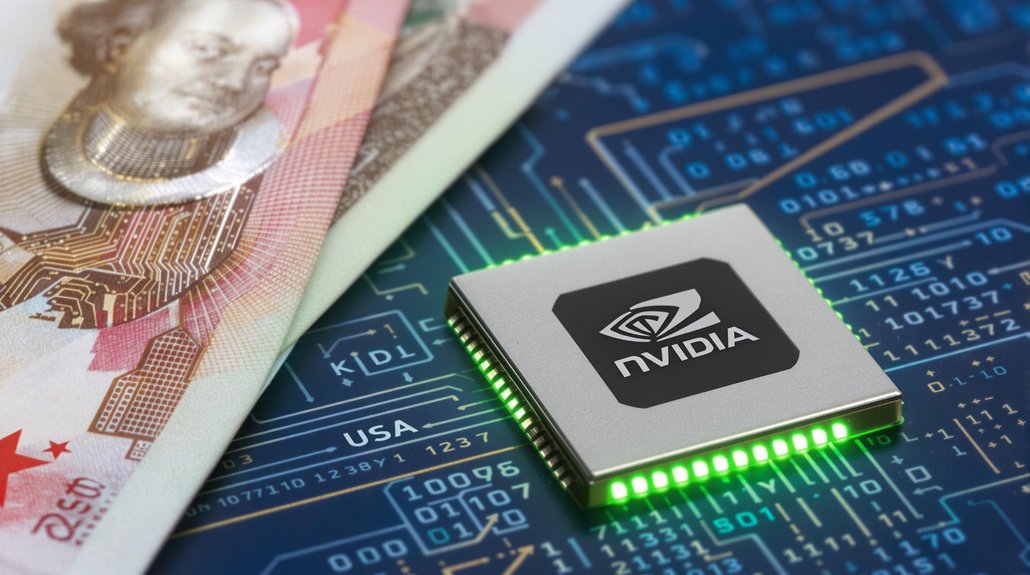

Nvidia’s CEO Jensen Huang praised President Trump’s industrial policies as “visionary” during a recent visit to Sweden where he received an honorary doctorate. The tech leader highlighted how Trump’s support for U.S. technology companies aligns with keeping American firms competitive globally.
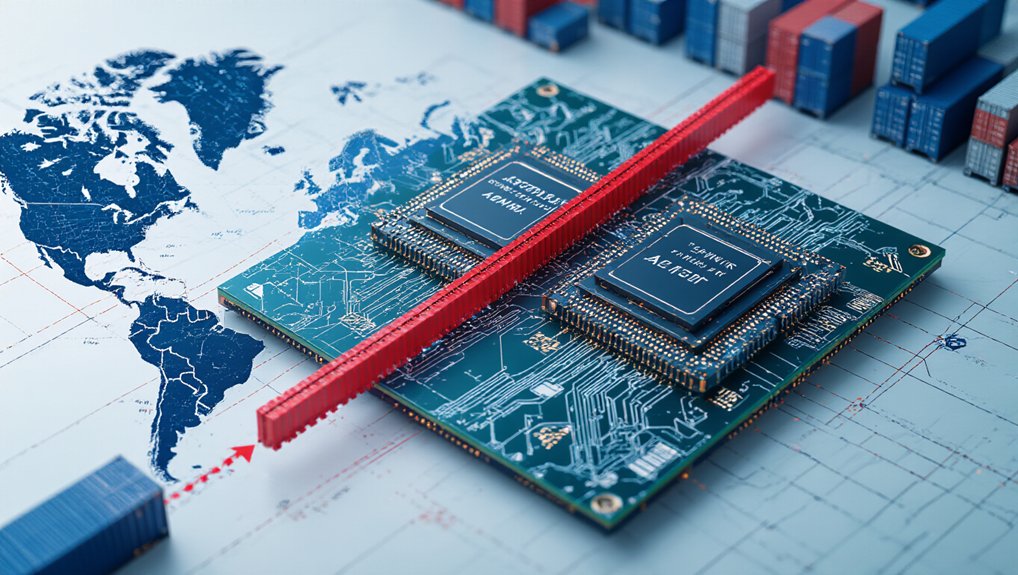
Huang didn’t hold back criticism of previous export policies under Biden. He called the AI chip export restrictions a “failure” and “fundamentally flawed.” These rules caused Nvidia to lose about 50% of its market share in China over four years. Meanwhile, rival companies grew stronger while U.S. firms couldn’t sell there.
Trump’s rollback of these controls has opened doors for American tech companies again. Nvidia can now pursue deals in regions that were previously off-limits. The company recently announced new AI data center projects with Swedish partners Ericsson and AstraZeneca. They’re also expanding into Saudi Arabia and the UAE.
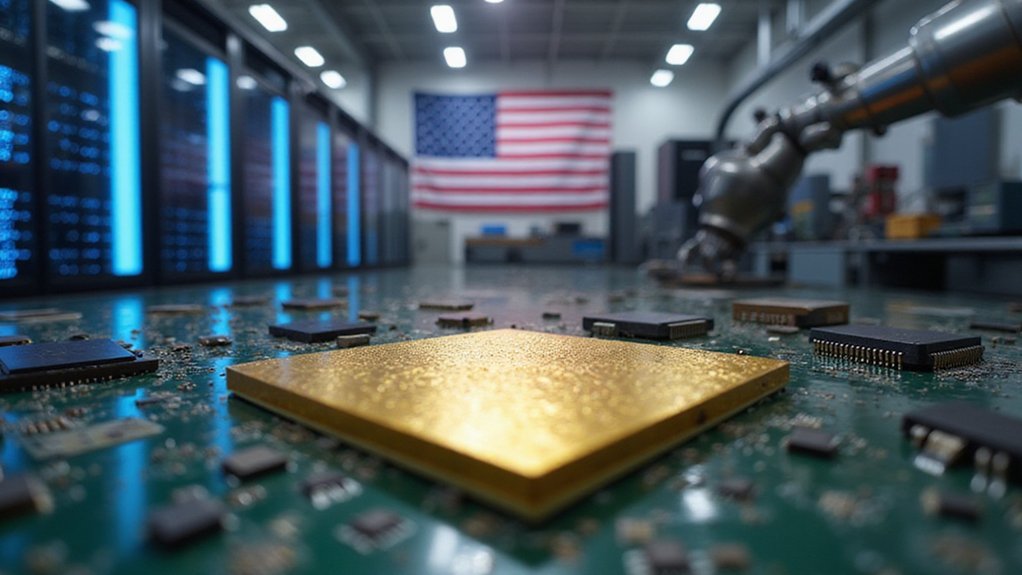
The president’s re-industrialization agenda includes using tariffs and incentives to bring chip manufacturing back to America. Huang supports building stronger, more diverse supply chains. He believes this approach will create jobs and boost investment within the U.S. The tech executive emphasized that creating redundancy and diversity in manufacturing is critical for the nation’s technological resilience.
Trump’s policies aim to generate more revenue and tax income domestically. The focus is on helping American technology “win” in the global competition. This includes strengthening the country’s ability to produce its own tech products rather than relying on others. During his Computex appearance in Taiwan, Huang stressed the importance of balanced ecosystems for thriving industries.
However, not everyone agrees with this approach. Some economists warn that tariffs could make products more expensive and disrupt global supply chains. They worry about higher costs for businesses and possible economic downturns.
Despite these concerns, Huang remains optimistic. He sees the policy changes as essential for securing America’s supply chain and maintaining tech leadership. The Chinese market remains crucial, with Nvidia’s specialized H20 chip designed with reduced power consumption to comply with export regulations while still delivering impressive AI processing capabilities. The lifted export restrictions allow Nvidia to deliver cutting-edge AI platforms worldwide while supporting domestic manufacturing goals.
These developments come as countries race to lead in artificial intelligence technology. The policy shifts represent a major change in how the U.S. approaches global tech competition, with companies like Nvidia positioned to benefit from expanded market access.
References
- https://economictimes.com/tech/technology/nvidia-ceo-calls-trump-re-industrialisation-policies-visionary/articleshow/121379978.cms
- https://www.youtube.com/watch?v=5cWT2FChccQ
- https://wallstreetpit.com/127049-nvidia-ceo-hails-trumps-re-industrialization-push-as-visionary/
- https://www.tekedia.com/nvidia-ceo-jensen-huang-praises-trumps-re-industrialization-policy-calls-it-visionary/
- https://timesofindia.indiatimes.com/technology/tech-news/nvidia-ceo-jensen-huang-praises-donald-trump-over-biden-eras-fundamentally-flawed-policy/articleshow/121314479.cms