
India’s betting big on becoming a tech powerhouse. The country’s semiconductor market is currently worth $50 billion. But that’s just the starting point. India’s aiming to grow that number to $120 billion by 2030. By 2035, the target jumps to $300 billion.
Right now, India imports 90% of its chips. That’s a major vulnerability. Chips are critical for telecom, defense, and financial systems. Depending heavily on foreign suppliers creates supply chain risks. India’s leaders want to change that reality fast.
Importing 90% of chips isn’t a supply chain strategy. It’s a vulnerability waiting to be exploited.
The money being committed is massive. India’s already pledged $19 billion toward semiconductor initiatives. Another $25 billion is expected to follow. Over the next five years, $50 billion is planned. Between 2030 and 2035, an additional $80 billion is targeted. These numbers reflect how seriously India’s taking this challenge.
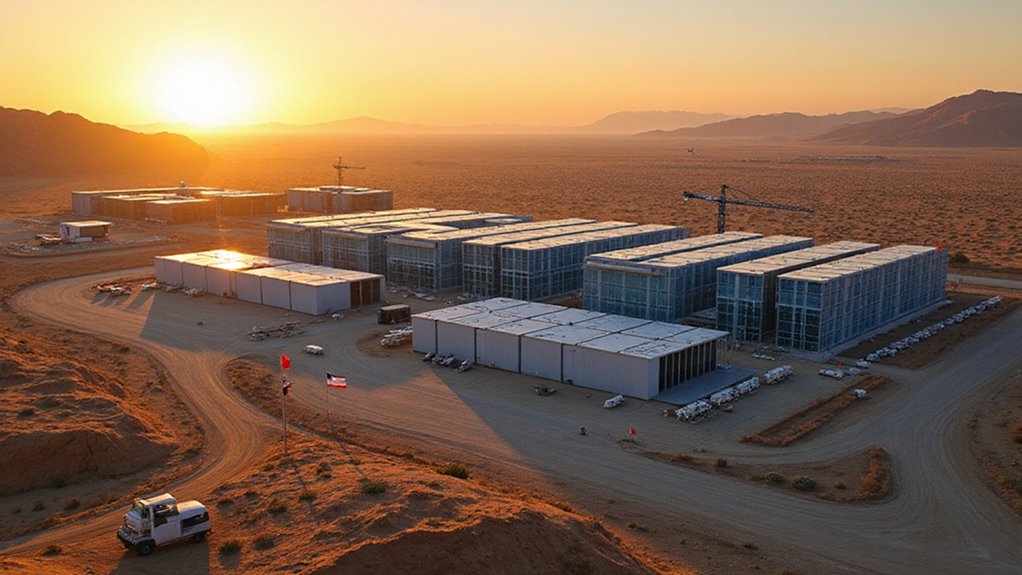
The India Semiconductor Mission is driving much of this push. It includes building chip fabrication units and specialized manufacturing facilities. Display manufacturing is also part of the plan. India’s targeting 25 assembly and testing units. All of this supports the broader Make in India manufacturing initiative.
The self-reliance goals are ambitious. India wants to meet 60% of its domestic chip demand locally by 2035. That would cut imports by roughly 50%. It’s a dramatic shift from today’s heavy dependence on foreign suppliers.
India’s domestic electronics market currently stands at $75 billion. A $1 trillion digital economy is expected to push domestic electronics demand to $180 billion by 2025-26.
Meanwhile, India’s electronics manufacturing target hits $300 billion by that same period. That gap creates a significant export opportunity.
A government Vision Document maps out this entire roadmap. It recommends both short and long-term actions. The strategy focuses on sustainable manufacturing and growing India’s share in global electronics markets. It also aims to position India firmly inside global tech value chains. Experts note that sustainable manufacturing aligns with broader global trends, as renewable energy surpassed coal in U.S. electricity generation for the first time in 2022, signaling a worldwide shift toward cleaner industrial practices.
The stakes are high. If India pulls this off, it won’t just reduce its own tech vulnerabilities. It could become a major player in the worldwide semiconductor race. Achieving that future will require filling 2 million skilled roles across the semiconductor sector. The world’s watching closely.